
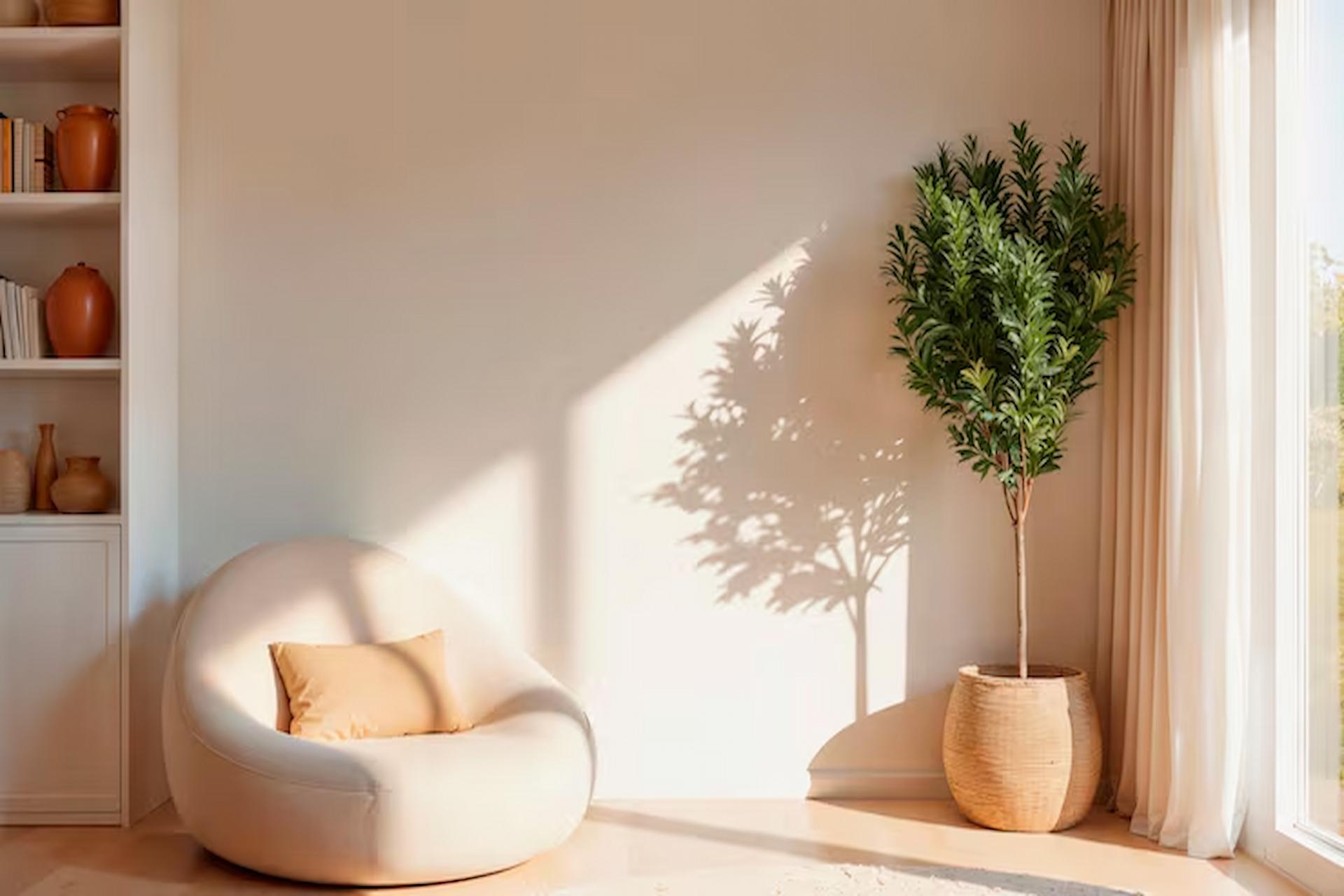
Minimalist decor has become far more than a design trend. For many people, it represents a simpler and more intentional way of living. A thoughtfully designed minimalist home feels open, calm, and easy to maintain without appearing cold or empty. By focusing on purposeful design choices, homeowners can create spaces that feel welcoming while reducing visual clutter and unnecessary stress.
The beauty of minimalist interiors lies in their balance. Instead of filling rooms with excess furniture and decorations, minimalist design prioritises functionality, comfort, clean lines, and meaningful details. Whether you live in a large family home, a small apartment, or a rented flat, minimalist decor can help transform your environment into a peaceful and organised retreat.
Start With Decluttering Before Decorating
A minimalist home begins with removing unnecessary items. No amount of stylish decor can create a calm atmosphere if surfaces, cupboards, and corners are overflowing with clutter.
Start by evaluating what you actually use and enjoy. Keep furniture, decor, and household items that serve a practical purpose or hold genuine value. Everything else can often be donated, recycled, or stored elsewhere.
Decluttering does not mean stripping a room of personality. Instead, it creates space for the pieces that truly matter. Clean surfaces, organised shelves, and open floor areas instantly make rooms feel brighter and more relaxing.
Many homeowners find that even small decluttering efforts improve focus, reduce stress, and make daily cleaning far easier.
Use Neutral Colours to Create a Peaceful Atmosphere
Neutral colour palettes are one of the defining features of minimalist interior design. Soft whites, warm beige tones, muted greys, earthy taupe shades, and gentle pastels help create a calm and cohesive environment.
These colours reflect natural light well and make spaces feel larger and more open. They also provide flexibility, allowing furniture and decorative accents to blend naturally without overwhelming the room.
A neutral room does not need to feel plain. Layering different textures such as linen curtains, wool throws, wooden furniture, and soft rugs adds warmth and visual depth without creating clutter.
Natural tones also age well, making minimalist interiors feel timeless rather than trend-driven.
Choose Multi-Functional Furniture
Minimalist living works best when furniture serves more than one purpose. Multi-functional pieces help maximise space while maintaining a clean and organised appearance.
Some practical examples include:
- Storage ottomans that hide blankets or books
- Beds with built-in drawers underneath
- Extendable dining tables for flexible seating
- Floating desks that save floor space
- Modular sofas with hidden compartments
These furniture choices reduce the need for additional storage units and help smaller homes feel more spacious.
In apartments and compact living spaces, smart furniture design can dramatically improve functionality without sacrificing comfort or style.
Keep Decorative Accents Simple and Intentional
Minimalist decor does not mean removing all decorative elements. The goal is to choose fewer pieces with greater impact.
Instead of filling every shelf or wall, focus on carefully selected accents that add personality and warmth. A framed artwork, ceramic vase, indoor plant, or textured cushion can become a focal point without overwhelming the space.
Intentional decorating creates visual balance. It allows individual pieces to stand out while preserving the calm and uncluttered feel that minimalist interiors are known for.
When choosing decor, quality often matters more than quantity.
Maximise Natural Light Whenever Possible
Natural light plays a major role in minimalist home design. Bright, airy spaces naturally feel cleaner, calmer, and more welcoming.
Heavy curtains and dark furnishings can make rooms feel crowded and enclosed. Instead, minimalist interiors often use sheer curtains, light-filtering blinds, and strategically placed mirrors to enhance brightness.
Simple ways to maximise natural light include:
- Keeping windows unobstructed
- Using light-coloured walls and furniture
- Adding mirrors opposite windows
- Choosing glass or reflective surfaces sparingly
- Reducing oversized decorative items near windows
Sunlight also highlights clean lines and open layouts, both of which are central to minimalist styling.
Incorporate Hidden Storage Solutions
A calm and organised home depends heavily on effective storage. Hidden storage helps maintain a clean appearance without sacrificing practicality.
Minimalist homes often use built-in cabinets, under-bed storage, concealed shelving, and closed wardrobes to reduce visible clutter. This keeps everyday essentials accessible while preserving tidy surfaces.
Storage baskets, drawer dividers, and labelled containers can also simplify organisation inside cupboards and shelves.
The goal is not perfection. It is creating systems that make daily life easier and help prevent clutter from accumulating over time.
Add Natural Materials for Warmth and Texture
One common misconception about minimalist interiors is that they feel sterile or impersonal. Natural materials help prevent this by introducing warmth, texture, and character.
Wood, stone, rattan, cotton, wool, linen, and leather all work beautifully within minimalist spaces. These materials soften clean lines and create a more inviting atmosphere.
For example, a wooden coffee table paired with linen cushions and a woven rug can make a neutral room feel comfortable and lived-in without appearing busy.
Natural materials also support timeless design, which aligns perfectly with minimalist principles focused on longevity and simplicity.
Create Open and Functional Layouts
Minimalist homes prioritise flow and functionality. Furniture should support movement and comfort rather than overcrowding the room.
Avoid placing unnecessary items in walkways or corners. Instead, create layouts that feel open and practical for everyday living.
In living rooms, this may mean limiting oversized furniture. In kitchens, it could involve keeping countertops mostly clear. Bedrooms often benefit from simplified bedside styling and reduced visual distractions.
Open layouts encourage relaxation because the space feels breathable and easy to navigate.
Focus on Quality Over Quantity
Minimalism encourages thoughtful purchasing habits. Instead of buying many inexpensive decor items, homeowners often invest in fewer high-quality pieces that last longer and maintain their appearance over time.
This approach reduces waste, prevents overcrowding, and creates a more refined interior style.
Quality furniture, durable fabrics, and timeless finishes also tend to age better than trend-focused decor. As a result, minimalist interiors often remain stylish for years without requiring constant redesigns.
Bring Life Into the Space With Greenery
Indoor plants complement minimalist decor beautifully because they add freshness, texture, and natural colour without creating visual chaos.
Simple greenery such as snake plants, pothos, peace lilies, or olive trees can soften minimalist interiors while improving indoor atmosphere.
The key is moderation. One or two well-placed plants often create more impact than an overcrowded collection.
Plants also help minimalist spaces feel more balanced and connected to nature.
Minimalism Supports Easier Home Maintenance
One of the most practical benefits of minimalist decor is easier upkeep. Fewer unnecessary items mean less dusting, cleaning, organising, and rearranging.
Clear surfaces and organised storage simplify everyday routines. Many homeowners discover they spend less time managing possessions and more time enjoying their homes.
This functional advantage makes minimalist living especially appealing for busy professionals, families, renters, and anyone seeking a more manageable lifestyle.
Quick Answers
What is minimalist decor in interior design?
Minimalist decor focuses on simplicity, functionality, and clean design. It uses fewer decorative items, neutral colours, organised layouts, and practical furniture to create calm and uncluttered living spaces.
How can I make my home look minimalist on a budget?
Start by decluttering, rearranging furniture, and using neutral colours. Affordable storage solutions, simple decor, and better organisation can create a minimalist look without major renovations or expensive purchases.
Do minimalist homes feel cold or empty?
Well-designed minimalist homes feel warm and comfortable. Natural materials, layered textures, soft lighting, and carefully chosen decor prevent spaces from feeling sterile or uninviting.
What colours work best in minimalist interiors?
White, beige, grey, taupe, soft earth tones, and muted pastels work best. These colours create a peaceful atmosphere and help rooms feel brighter, cleaner, and more spacious.
Why is minimalist living becoming popular?
Many people prefer minimalist living because it reduces clutter, simplifies maintenance, lowers stress, and creates more organised and functional living environments that support a calmer lifestyle.
Closing Thoughts
Minimalist decor creates homes that feel calm, organised, and intentionally designed. Through decluttering, neutral colours, functional furniture, hidden storage, and thoughtful styling, even small spaces can feel more open and welcoming.
The goal of minimalism is not to create empty rooms or remove personality. It is about designing spaces that support comfort, clarity, and easier daily living. By focusing on simplicity and purposeful choices, homeowners can create interiors that feel timeless, practical, and genuinely relaxing for years to come.