
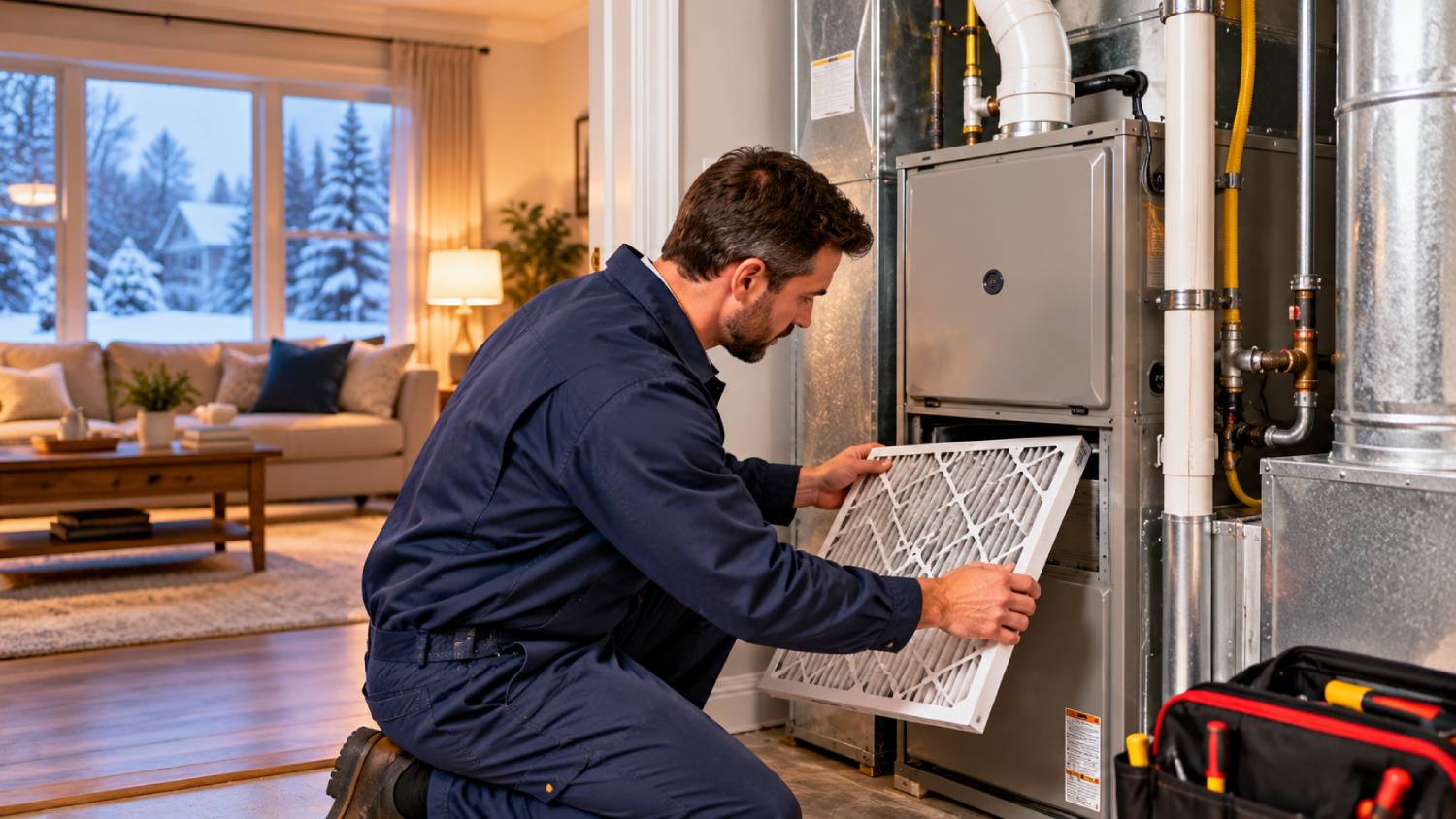
Keeping your home warm throughout winter does not always require running your furnace for longer hours. Regular maintenance, good airflow, proper insulation, and sensible thermostat settings can help your heating system work more efficiently while maintaining indoor comfort.
For homeowners considering upgrades or ongoing heating care, understanding the benefits of professional maintenance and furnace installation in Sapulpa, OK can help inform decisions about their home’s heating needs. The right approach depends on the condition of the existing system, the home’s layout, and how effectively heat reaches each room.
Schedule Regular Furnace Maintenance
Routine maintenance is one of the most important steps in keeping a furnace operating efficiently. Over time, dust can collect on components, filters can become clogged, and worn parts may affect performance. These issues can restrict airflow or cause the system to work harder than necessary.
A professional furnace inspection can help identify developing problems before they cause a breakdown. A technician may inspect electrical connections, heating components, safety controls, and other parts according to the system’s requirements.
Scheduling maintenance before winter begins can also give you time to address problems before temperatures drop. Follow the manufacturer’s recommended maintenance schedule, and arrange additional service if you notice unusual noises, inconsistent heating, or a sudden change in energy use.
Replace or Clean the Furnace Filter
A dirty air filter can restrict airflow, making it harder for your furnace to distribute warm air throughout the house. Check the filter regularly and clean or replace it according to the manufacturer’s instructions.
The replacement frequency depends on the filter type, household conditions, and system usage. Homes with pets or higher levels of dust may need more frequent checks. Always use a filter that matches the furnace’s requirements, as an unsuitable filter can interfere with airflow.
A clean filter supports proper operation, but it cannot resolve every heating problem. If airflow remains weak after replacing it, the ductwork, blower, or another component may need professional attention.
Improve Airflow Throughout Your Home
Even a well-maintained furnace may struggle to keep every room comfortable if air cannot circulate properly. Blocked supply vents and return grilles can interfere with airflow and create uneven temperatures.
Keep vents clear of furniture, curtains, rugs, and storage items. Open vents should generally remain open unless your system’s manufacturer or an HVAC professional advises otherwise. Closing too many vents can disrupt the system’s airflow balance.
If some rooms consistently feel colder than others, the problem may involve duct leaks, insulation, or an airflow imbalance. A qualified technician can inspect the system and recommend suitable adjustments rather than relying on thermostat changes alone.
Reduce Heat Loss with Better Insulation
Improving your home’s ability to retain heat can reduce the demand on your furnace. Warm air can escape through poorly sealed windows, doors, attic spaces, and other gaps in the building envelope.
Check weatherstripping around doors and windows, and seal appropriate gaps with materials designed for the location. Attic insulation can also help reduce heat loss, particularly in homes with insufficient coverage.
Window coverings provide another practical option. Closing curtains after sunset can help limit heat loss through windows, while opening them during sunny winter days may allow useful solar warmth indoors.
However, insulation improvements should not block ventilation openings or interfere with combustion-air requirements for fuel-burning equipment. If you are unsure which areas need attention, a home energy assessment can help identify priorities.
Use Your Thermostat Wisely
Thermostat settings affect how often your furnace runs. Choose a comfortable temperature and lower the setting when you are asleep or away, provided the change suits your household and does not create a risk of frozen pipes during cold weather.
A programmable or smart thermostat can make temperature adjustments easier to manage. However, compatibility with your heating system should be checked before purchasing a replacement.
Avoid repeatedly making large adjustments in an attempt to heat the house faster. A furnace generally heats at its designed operating rate, so setting the thermostat much higher than the desired temperature will not necessarily warm the home more quickly.
Recognize When Your Furnace Needs Attention
A sudden increase in heating costs, unusual operating noises, frequent cycling, or rooms that remain cold can indicate an underlying issue. These symptoms do not always mean the furnace needs replacing, but they should not be ignored.
The age and condition of the system, repair history, comfort levels, and energy consumption can all help determine whether repair or replacement is appropriate.
If your furnace is unreliable or no longer meets your home’s heating needs, discussing furnace installation in Sapulpa, OK with a qualified HVAC professional can help you compare suitable options. Gas and electric furnaces have different operating requirements, so the right choice depends on available utilities, installation conditions, and household priorities.
Professional sizing is important, too. An oversized furnace may cycle on and off frequently, while an undersized unit may struggle to maintain the desired temperature during colder weather. A contractor should assess the home’s heating requirements rather than selecting equipment based on the old unit alone.
FAQs
Q.1 How often should a furnace be serviced?
Answer: Most homeowners should arrange professional maintenance annually, ideally before the heating season. Follow the manufacturer’s recommendations and schedule service sooner if problems develop.
Q.2 Does changing the furnace filter improve efficiency?
Yes, replacing a dirty filter with the correct type can restore airflow and help the furnace operate as intended. Check it regularly and follow the manufacturer’s replacement guidance.
Q.3 What temperature should I set on my thermostat in winter?
Choose a temperature that balances comfort and energy use. Lowering the setting while sleeping or away can reduce heating demand, but consider household needs and freeze protection.
Q.4 Why is one room colder than the others?
Uneven heating may result from blocked vents, duct leaks, insufficient insulation, or airflow imbalances. If basic checks do not resolve the issue, arrange a professional inspection.
Q.5 When should I consider replacing my furnace?
Consider replacement if the furnace experiences recurring breakdowns, requires costly repairs, or struggles to heat the home. A qualified technician can compare repair needs with the benefits of a properly sized replacement.
Final Thoughts
Improving furnace efficiency starts with regular maintenance, clean filters, clear vents, and a home that retains heat effectively. Sensible thermostat settings and early attention to heating problems can also help maintain comfort throughout winter.
If your existing system continues to struggle, professional advice can help you decide whether repairs or furnace installation in Sapulpa, OK is the more appropriate option. Assess your home’s needs, compare suitable systems, and address maintenance concerns before winter demand increases.
 Mike Wilson