
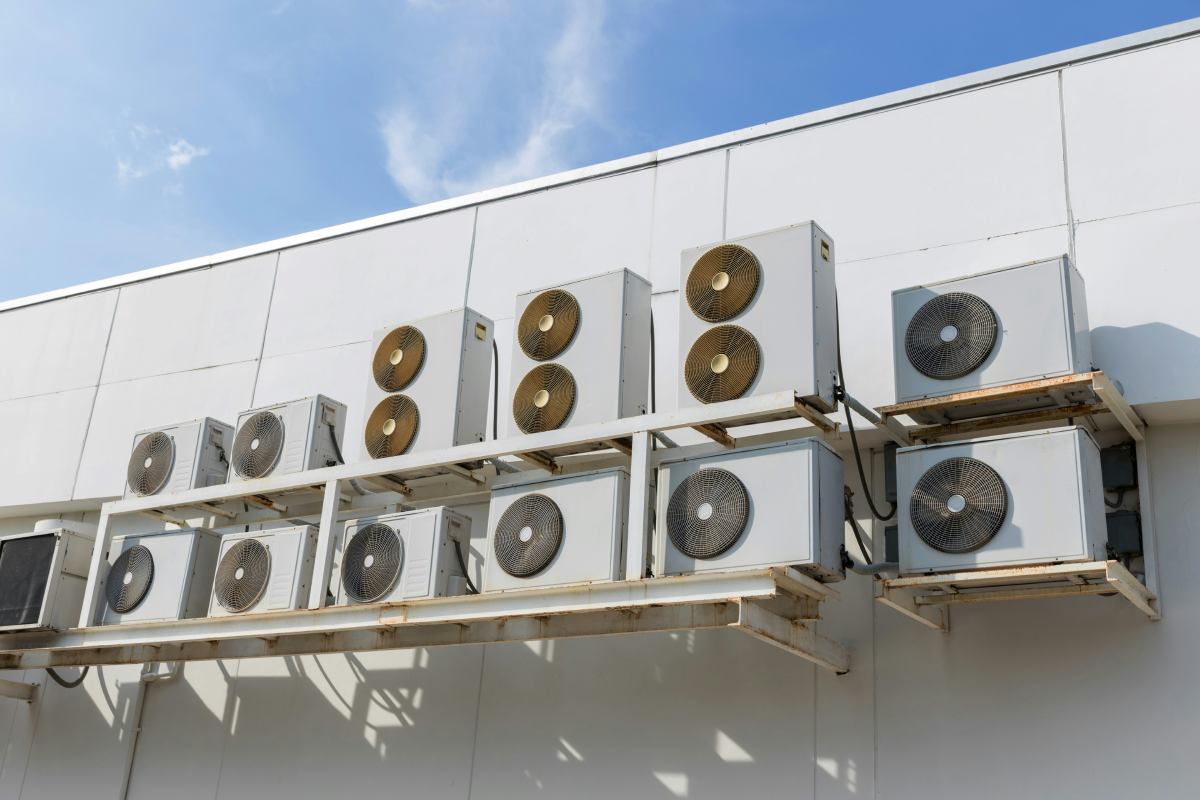
Whether it’s staying warm during winter or cool during summer, indoor climate plays a direct role in how people feel, work, and live each day. Modern HVAC systems have evolved far beyond basic temperature control, offering smarter, more efficient ways to create a comfortable living environment.
Today’s systems are designed not only to regulate temperature but also to improve air quality, reduce energy consumption, and adapt to changing lifestyles. Understanding how these systems work—and how to use them effectively—can significantly enhance everyday living.
The Role of HVAC in Daily Comfort
Heating, ventilation, and air conditioning systems are central to maintaining a balanced indoor environment. They ensure that homes remain comfortable regardless of outdoor weather conditions.
Modern HVAC systems focus on:
- Consistent temperature control across rooms
- Improved airflow and ventilation
- Reduced humidity levels
- Cleaner indoor air
This combination creates a healthier and more enjoyable space for families, especially in homes where people spend a significant amount of time indoors.
Energy Efficiency and Cost Savings
One of the most notable advancements in HVAC technology is improved energy efficiency. Older systems often consumed excessive energy, leading to high utility bills. Modern systems, however, are built with efficiency in mind.
Here’s how they help reduce energy costs:
- Smart thermostats adjust temperature automatically based on usage patterns
- Zoning systems allow different areas of the home to be heated or cooled separately
- High-efficiency units use less energy while delivering better performance
- Improved insulation compatibility reduces heat loss or gain
By optimizing how energy is used, homeowners can maintain comfort without unnecessary expenses.
Better Indoor Air Quality
Indoor air quality has become a growing concern, especially with increased awareness of allergens, pollutants, and airborne particles. Modern HVAC systems play a crucial role in addressing these issues.
They contribute to cleaner air by:
- Filtering dust, pollen, and other allergens
- Controlling humidity to prevent mold growth
- Circulating fresh air throughout the home
- Reducing airborne contaminants
For households with children, elderly members, or individuals with respiratory conditions, these improvements can make a noticeable difference in overall well-being.
Smart Technology Integration
Technology has transformed how HVAC systems operate. Many modern systems now integrate with smart home devices, allowing users to control their indoor environment with ease.
Key features include:
- Remote access through mobile apps
- Voice control compatibility
- Automated scheduling based on daily routines
- Real-time energy usage tracking
These features provide convenience and flexibility, making it easier to maintain comfort without constant manual adjustments.
Seasonal Adaptability
A reliable HVAC system should perform efficiently throughout the year. Modern systems are designed to adapt seamlessly to seasonal changes, ensuring consistent performance regardless of temperature extremes.
For example:
- During winter, systems provide steady heating without uneven temperature distribution
- In summer, advanced cooling mechanisms prevent hot spots and excessive humidity
- Transitional seasons benefit from ventilation features that maintain fresh airflow
This adaptability ensures that homes remain comfortable without frequent system adjustments.
Extending System Lifespan with Proper Maintenance
Even the most advanced HVAC system requires regular maintenance to perform at its best. Proper care not only ensures efficiency but also extends the lifespan of the system.
Simple maintenance practices include:
- Replacing air filters regularly
- Scheduling annual professional inspections
- Keeping vents and ducts clean
- Monitoring system performance for unusual changes
Consistent maintenance helps prevent costly repairs and ensures that the system continues to operate smoothly over time.
Enhancing Home Value and Appeal
Investing in a modern HVAC system can also increase the overall value of a home. Buyers today are more aware of energy efficiency and indoor comfort, making updated systems a desirable feature.
A well-maintained HVAC system can:
- Improve property appeal in competitive markets
- Reduce concerns about future repair costs
- Demonstrate energy-conscious living
- Support long-term savings for potential buyers
This makes HVAC upgrades not just a comfort decision, but a strategic investment as well.
Choosing the Right System for Your Needs
Selecting the right HVAC system depends on several factors, including home size, climate, and personal preferences. It’s important to evaluate options carefully to ensure the system meets both current and future needs.
Consider the following when choosing a system:
- Home size and layout to determine capacity requirements
- Energy efficiency ratings for long-term savings
- Climate conditions in your region
- Budget and installation costs
- Compatibility with smart home features
Making an informed decision ensures that the system delivers optimal performance and value.
FAQs
What makes modern HVAC systems more efficient than older models?
Modern HVAC systems use advanced technology such as variable-speed motors, smart thermostats, and improved insulation compatibility. These features allow them to consume less energy while maintaining consistent performance, resulting in lower utility bills and better overall efficiency.
How often should HVAC systems be maintained?
HVAC systems should typically be inspected and serviced at least once a year. Regular maintenance, including filter replacement and system checks, helps prevent breakdowns, improves efficiency, and extends the lifespan of the unit.
Can HVAC systems improve indoor air quality?
Yes, modern HVAC systems are designed to filter airborne particles, control humidity, and circulate fresh air. This helps reduce allergens, dust, and pollutants, creating a healthier indoor environment for occupants.
Are smart thermostats worth installing?
Smart thermostats offer convenience, energy savings, and better control over indoor temperature. They can automatically adjust settings based on user habits, helping to reduce energy consumption without compromising comfort.
How do I choose the right HVAC system for my home?
Choosing the right system depends on factors such as home size, climate, energy efficiency ratings, and budget. Consulting with a professional can help determine the best option tailored to your specific needs.
In Conclusion
Modern HVAC systems have redefined what it means to live comfortably at home. By combining energy efficiency, smart technology, and improved air quality, they offer solutions that go beyond simple temperature control.
From reducing utility bills to enhancing indoor health and convenience, these systems play a vital role in everyday living. With the right system and proper maintenance, homeowners can create a space that is not only comfortable but also efficient and future-ready.
 Elina Smith