
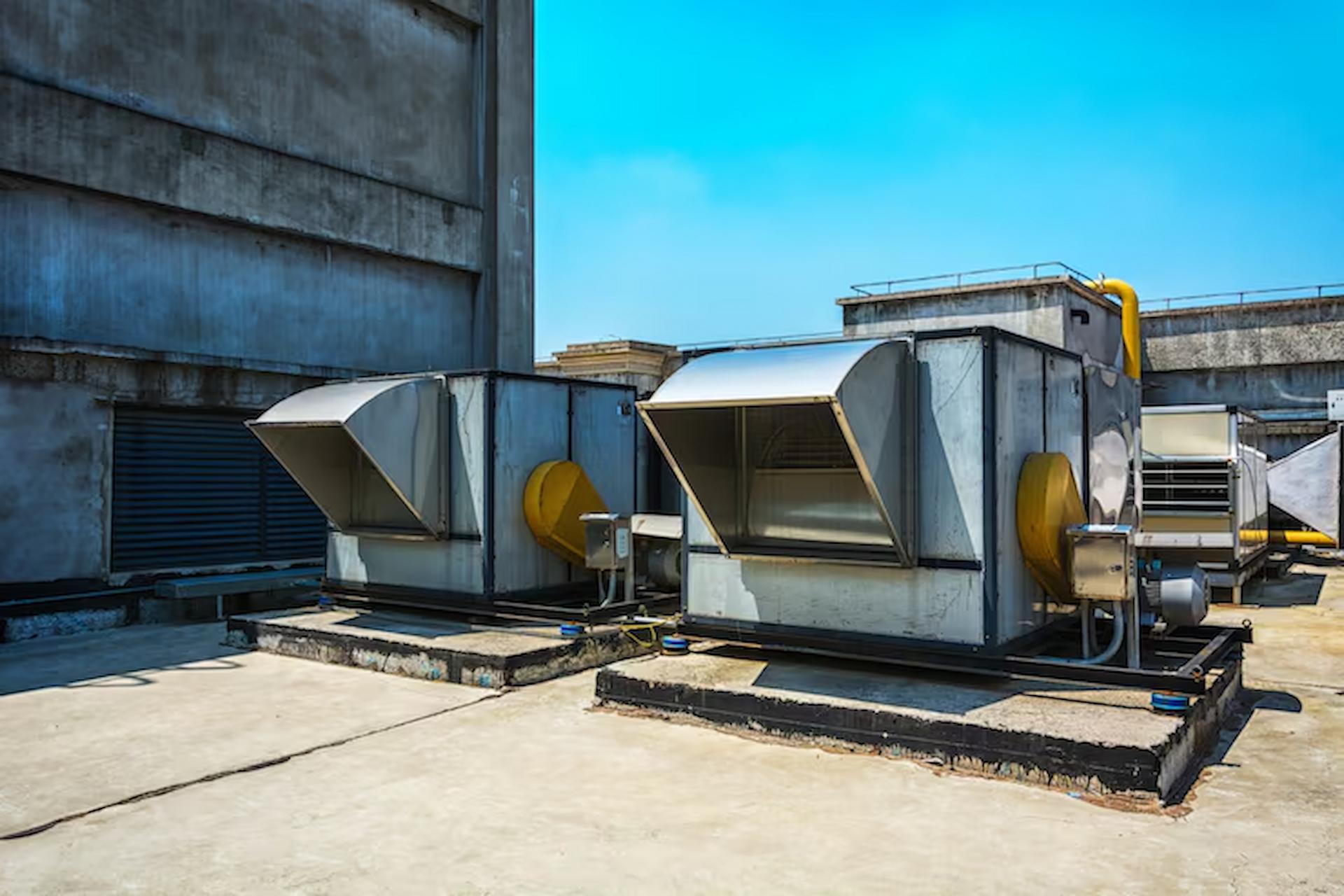
Commercial buildings depend heavily on reliable heating, ventilation, and air conditioning systems to maintain comfortable and productive indoor environments. Whether it is an office, retail store, restaurant, healthcare facility, warehouse, or educational building, HVAC performance directly affects employee wellbeing, customer satisfaction, and daily operations.
Unlike residential systems, commercial HVAC equipment operates under higher demands and often runs for extended hours every day. This constant workload naturally increases wear and tear over time. Without proper maintenance, even high-quality systems can lose efficiency, consume more energy, and become vulnerable to unexpected breakdowns.
Why Commercial HVAC Maintenance Matters
Indoor comfort plays a major role in employee performance and customer experience in a business environment. Poor ventilation, inconsistent temperatures, or system failures can quickly affect productivity, concentration, and overall satisfaction.
Commercial HVAC systems are also significantly more complex than residential units. Large buildings often rely on interconnected systems, rooftop units, duct networks, zoning controls, and advanced ventilation equipment, all of which require routine monitoring to operate properly.
Preventive maintenance helps identify minor issues before they develop into costly operational problems. A clogged filter, a failing motor, a refrigerant imbalance, or an airflow restriction may seem minor at first, but these issues can place significant strain on the entire system over time.
Businesses that invest in routine HVAC servicing often experience:
- Lower energy consumption
- Reduced emergency repair costs
- More stable indoor temperatures
- Better indoor air quality
- Longer equipment lifespan
- Improved operational reliability
Consistent maintenance ultimately supports both comfort and financial efficiency across the organization.
Regular Inspections Improve System Reliability
Routine inspections are one of the most important aspects of commercial HVAC maintenance because they help technicians identify early warning signs before equipment failure occurs.
Commercial systems contain numerous moving parts and electrical components that naturally degrade with heavy use. During inspections, technicians assess the condition of compressors, belts, motors, thermostats, electrical connections, refrigerant levels, and airflow performance.
Regular inspections also help ensure that systems continue to operate safely and efficiently throughout seasonal changes.
Common inspection tasks often include:
- Checking refrigerant pressures
- Inspecting electrical systems
- Testing thermostat calibration
- Evaluating airflow balance
- Identifying unusual noises or vibrations
- Assessing overall equipment performance
Early detection of problems significantly reduces the likelihood of costly emergency shutdowns.
Filter Replacements Support Air Quality and Efficiency
Air filters play a critical role in both system performance and indoor air quality. Commercial HVAC systems circulate large volumes of air daily, causing filters to quickly collect dust, debris, allergens, and other airborne particles.
When filters become clogged, airflow becomes restricted. The system must then work harder to maintain desired temperatures, increasing energy consumption and placing unnecessary stress on equipment.
Dirty filters may also affect indoor air quality, creating discomfort for employees, customers, and visitors. In environments such as healthcare facilities, restaurants, or office buildings, clean air circulation becomes especially important.
Benefits of regular filter replacement include:
- Improved airflow efficiency
- Better indoor air quality
- Lower energy usage
- Reduced system strain
- More consistent temperature control
Replacement schedules vary depending on building size, occupancy levels, and operational demands, but regular monitoring remains essential.
Duct Maintenance Helps Systems Perform More Efficiently
Commercial ductwork distributes conditioned air throughout the building. Over time, dust buildup, leaks, and restricted airflow in ducts can reduce HVAC efficiency.
Poorly maintained duct systems may create uneven temperatures, excess dust circulation, and higher operating costs. In larger commercial buildings, even small airflow inefficiencies can significantly affect energy usage.
Professional duct inspections help identify leaks, damaged sections, and ventilation imbalances before they become larger issues.
Well-maintained duct systems support:
- Balanced airflow distribution
- Improved indoor comfort
- Reduced energy waste
- Cleaner indoor environments
- More efficient HVAC operation
In many cases, sealing duct leaks alone can noticeably improve system efficiency and reduce utility expenses.
Seasonal Servicing Prevents Unexpected Downtime
Commercial HVAC systems experience different operational demands throughout the year. Cooling systems work harder during summer, while heating equipment faces heavier workloads during colder seasons.
Seasonal maintenance prepares HVAC systems before peak usage periods begin. This reduces the likelihood of sudden breakdowns during extreme temperatures when systems are under the greatest stress.
Spring servicing often focuses on cooling performance, refrigerant levels, condenser cleaning, and airflow testing. Autumn maintenance typically involves furnace inspections, heating components, ventilation checks, and thermostat calibration.
Seasonal tune-ups help businesses avoid:
- Unexpected system failures
- Emergency repair costs
- Employee discomfort
- Customer dissatisfaction
- Temporary business interruptions
Preventive servicing is almost always more affordable than emergency repairs during peak demand periods.
Energy Efficiency Reduces Operating Costs
Energy costs represent a major operational expense for many commercial properties. HVAC systems account for a significant portion of total building energy consumption, particularly in larger facilities.
Poorly maintained systems often consume substantially more energy because they must work harder to compensate for airflow restrictions, dirty components, or mechanical inefficiencies.
Routine maintenance improves efficiency by ensuring equipment operates under optimal conditions. Clean coils, balanced airflow, calibrated thermostats, and functioning components all contribute to lower energy usage.
Businesses focused on energy efficiency often benefit from:
- Lower monthly utility bills
- Reduced environmental impact
- Better system performance
- Improved equipment longevity
- Greater operational sustainability
Over time, energy savings from proper maintenance can offset a substantial portion of servicing costs.
Commercial HVAC Maintenance Extends Equipment Lifespan
Commercial HVAC systems represent a major financial investment. Replacing rooftop units, ventilation systems, or large-scale heating equipment can be extremely expensive for businesses.
Preventative maintenance helps protect that investment by reducing unnecessary wear and tear. Systems that receive consistent servicing often last significantly longer than neglected equipment.
Lubricating moving parts, replacing worn components, cleaning internal systems, and correcting airflow issues all help reduce mechanical stress over time.
Extending equipment lifespan offers several long-term advantages:
- Delayed replacement costs
- Lower capital expenditures
- More predictable budgeting
- Reduced operational risk
- Improved return on investment
Businesses that maintain HVAC equipment proactively often avoid sudden replacement emergencies that disrupt operations and strain budgets.
Indoor Comfort Supports Productivity and Customer Experience
Comfortable indoor environments influence how people feel and perform inside commercial spaces. Employees working in stable temperatures with good ventilation generally experience fewer distractions and greater comfort throughout the workday.
Customers also respond positively to well-maintained indoor environments. Retail spaces, restaurants, hotels, and healthcare facilities rely heavily on indoor comfort to support positive customer experiences.
Poor HVAC performance can quickly affect reputation and satisfaction, especially during extreme weather conditions.
Commercial HVAC maintenance helps maintain:
- Consistent indoor temperatures
- Balanced humidity levels
- Cleaner indoor air
- Reduced noise from equipment
- Comfortable working conditions
Reliable climate control contributes directly to healthier, more productive, and more welcoming business environments.
FAQs
Why is commercial HVAC maintenance important?
Commercial HVAC maintenance improves system reliability, lowers energy costs, reduces downtime, and helps maintain comfortable indoor environments for employees and customers.
How often should commercial HVAC systems be serviced?
Most commercial HVAC systems should receive professional servicing at least twice yearly, typically before peak heating and cooling seasons begin.
Can HVAC maintenance reduce business energy costs?
Yes. Proper HVAC maintenance improves efficiency, reduces system strain, and lowers energy consumption, helping businesses reduce monthly utility expenses.
What happens if commercial HVAC systems are not maintained?
Poor maintenance can lead to higher energy bills, equipment breakdowns, reduced air quality, uncomfortable indoor temperatures, and expensive emergency repairs.
Conclusion
Commercial HVAC maintenance remains essential for businesses that depend on comfortable, efficient, and reliable indoor environments. Regular inspections, filter replacements, duct maintenance, and seasonal servicing all help systems operate more efficiently while reducing the risk of costly downtime.
Beyond protecting equipment performance, preventative maintenance also improves energy efficiency, indoor air quality, and overall workplace comfort. For businesses operating in competitive environments, maintaining reliable HVAC systems supports both operational continuity and long-term financial stability.
 Elina Smith