
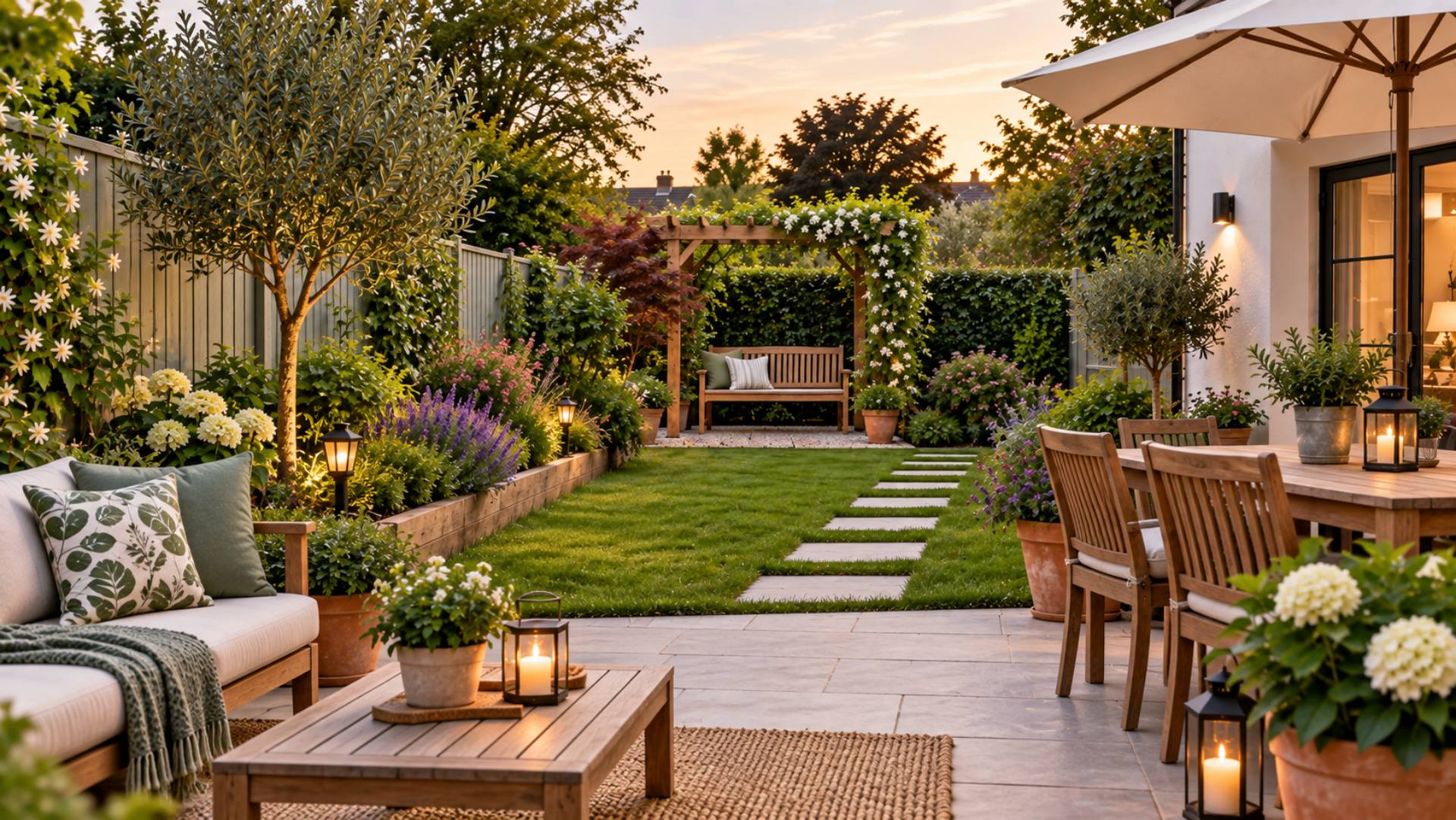
Improving your garden does not have to mean spending heavily on landscaping, furniture or major construction. Some of the most noticeable changes come from simple upgrades that improve how the space looks, feels and functions.
The best approach is to focus on areas that immediately catch the eye. A cleaner layout, healthier planting, better lighting and a few well-chosen features can make an ordinary garden feel much more inviting.
Refresh Tired Borders
Garden borders often lose their shape over time. Weeds appear, plants spread unevenly and edges become difficult to see.
Start by removing weeds, trimming overgrown plants and creating clean border lines. Adding fresh mulch can instantly make planting areas look tidier while helping the soil retain moisture.
You do not need to replace every plant. Moving existing plants into better positions can sometimes make a bigger difference than buying new ones.
Improve the Entrance to the Garden
The route into your garden helps shape the first impression of the whole space.
Clean paths, repair loose paving and remove anything that makes the area feel cluttered. Small home upgrades around doors and entrances can also help create a smoother connection between the house and garden.
Even repainting a garden gate or adding a simple planter near the entrance can give the area a more finished appearance.
Add Affordable Outdoor Lighting
Lighting is one of the easiest ways to change how a garden feels in the evening.
Simple solar lights can brighten paths, borders and seating areas without requiring extensive electrical work. String lights around a pergola or fence can also add warmth without dominating the design.
Thoughtful outdoor lighting can highlight plants and garden features while making outdoor areas more comfortable after sunset.
Update Pots and Containers
Containers are useful when you want colour without redesigning entire flower beds.
Instead of buying many small pots, choose a few larger containers and group plants together. Repainting older planters or using matching containers can create a more coordinated look at very little cost.
Place pots around seating areas, doorways and empty corners where they will have the strongest visual impact.
Use Gravel and Mulch
Gravel and mulch are practical materials that can quickly improve tired areas.
Mulch helps cover bare soil and gives flower beds a cleaner finish. Gravel can work well around pots, pathways or small seating areas where grass struggles to grow.
Keep the design simple. Using one or two materials consistently usually creates a more polished result than mixing several different finishes.
Rearrange the Garden Layout
Sometimes the garden already has everything it needs, but the layout is not making the best use of the space.
Move furniture away from awkward corners and create clear areas for sitting, planting and walking. Reviewing different garden layouts can help you see how even a modest garden can feel more organised and useful.
Creating one clear focal point, such as a seating area, tree or attractive planter, can also make the whole garden feel more intentional.
Paint Fences and Garden Furniture
Paint can transform tired outdoor surfaces quickly.
Freshening up fences, benches, sheds or wooden planters can make older items look much newer. Neutral shades can help greenery stand out, while deeper colours can add contrast.
Before painting, clean the surface properly and choose a finish designed for outdoor use.
Add More Greenery
You do not need expensive mature plants to make a garden feel fuller.
Choose affordable perennials, evergreen shrubs and climbing plants that can grow over time. Dividing established plants and replanting them elsewhere is another low-cost way to fill empty areas.
Climbers are especially useful for covering plain fences or walls without taking up much ground space.
Create a Simple Seating Area
A garden becomes more valuable when there is somewhere comfortable to sit.
You do not need a large patio or expensive furniture. A small bench, two chairs and a simple table can create an inviting corner.
Position seating where you can enjoy the best view of the garden and add nearby planting or containers to make the area feel more private.
FAQs
What is the cheapest way to improve a garden?
Start by cleaning paths, cutting back overgrown plants, removing weeds and refreshing borders. These jobs cost very little but can create a noticeable improvement.
How can I make my garden look more expensive?
Keep the layout simple and consistent. Clean edges, coordinated containers, healthy planting and well-positioned lighting can make a garden look more polished without a large budget.
Are solar lights worth using in a garden?
Solar lights can be useful for decorative lighting and pathways, especially where electrical installation is not practical. Their performance depends on how much sunlight they receive.
What garden upgrades have the biggest visual impact?
Fresh borders, painted fences, improved lighting, attractive containers and a defined seating area can all change the appearance of a garden quickly.
Conclusion
Affordable garden improvements are often about making better use of what you already have. Cleaning, rearranging, painting and adding carefully chosen plants can create a surprisingly strong transformation.
Focus on a few visible areas rather than trying to change everything at once. Small, practical upgrades can make your garden feel cleaner, more comfortable and far more enjoyable without stretching your budget.