
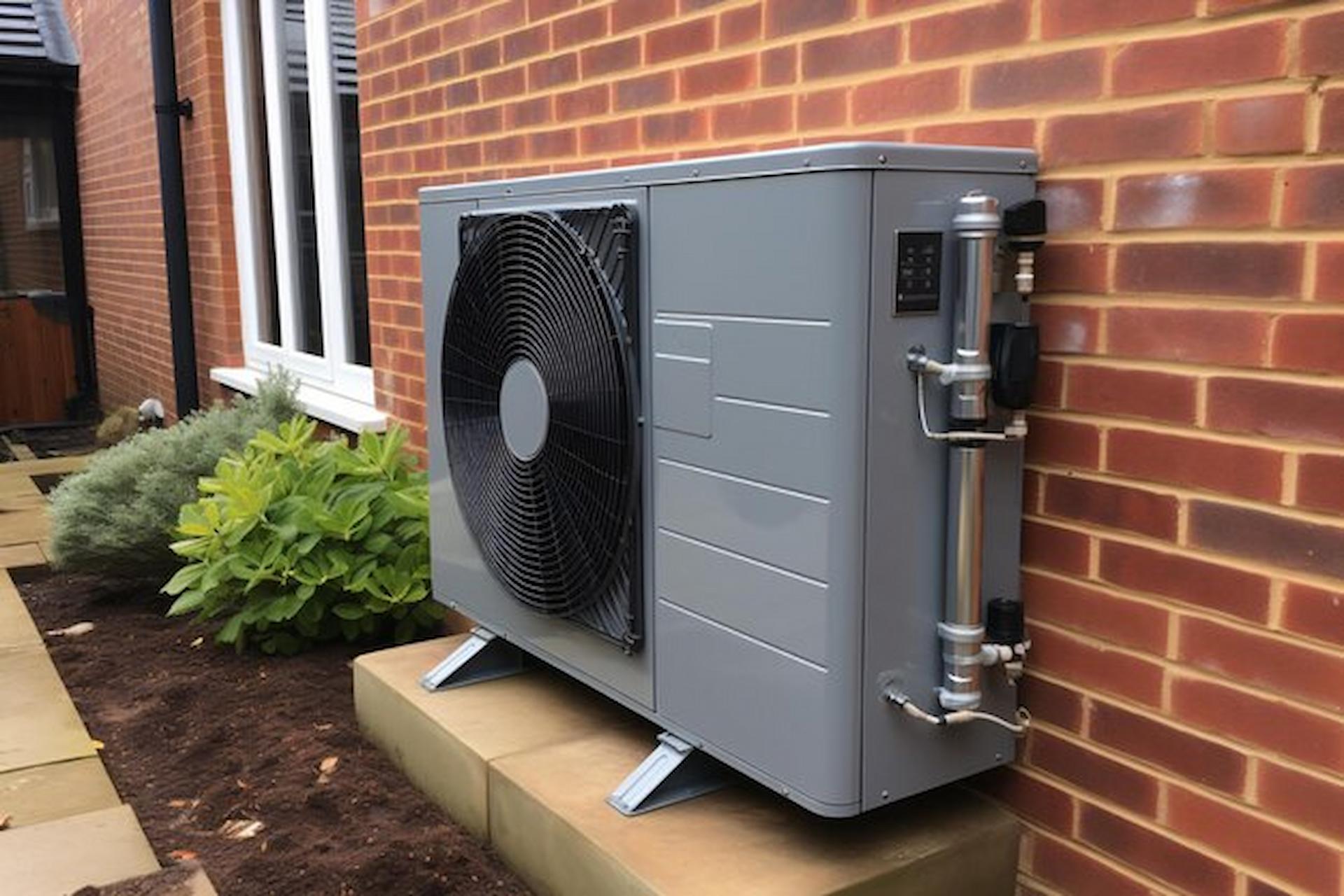
A heat pump is one of the most versatile and energy-efficient systems available for maintaining indoor comfort throughout the year. By providing both heating and cooling from a single unit, it offers a practical solution for homeowners looking to manage energy use while keeping their homes comfortable in every season. However, even the most reliable systems eventually experience wear and tear that can affect performance.
Knowing when to seek professional help is an important part of protecting your investment. If you’ve been researching heat pump services in Riverside, CA or wondering whether your current system is still performing efficiently, understanding the common warning signs can help you make an informed decision before minor issues become major repairs.
1.Rising Energy Bills Without a Clear Explanation
One of the most common indicators of a declining heat pump is an increase in energy costs. While utility bills naturally fluctuate due to weather conditions and household usage, a sudden and consistent rise in monthly expenses often suggests that the system is no longer operating efficiently.
Heat pumps work by transferring heat rather than generating it, making them highly efficient under normal conditions. According to the International Energy Agency, heat pumps can deliver several times more heating energy than the electrical energy they consume. However, when components begin to wear out, the system must work harder and run longer to achieve the same level of comfort. This increased workload results in higher energy consumption and, ultimately, larger utility bills.
If your energy costs continue to climb despite similar usage patterns, it may be worth investigating whether your heat pump requires maintenance, repair, or replacement.
2.Uneven Temperatures Throughout the Home
A properly functioning heat pump should maintain consistent temperatures across all areas of the home. If some rooms feel significantly warmer or cooler than others, the system may be struggling to distribute conditioned air effectively.
Uneven temperatures can result from several factors. Aging equipment may lose its ability to maintain airflow, while worn components can reduce overall system performance. In some cases, issues within the ductwork or thermostat may contribute to inconsistent comfort levels.
While minor problems can often be resolved through repairs, ongoing temperature imbalances may indicate a more significant decline in system efficiency. If certain areas of your home never seem comfortable regardless of thermostat settings, it may be time to evaluate the condition of the entire system.
3.Frequent Repairs Are Becoming Expensive
Every heating and cooling system requires occasional servicing, but repeated breakdowns are often a warning sign that larger issues are developing. When repairs become increasingly frequent, homeowners may find themselves spending significant amounts on maintenance without achieving long-term reliability.
As heat pumps age, individual components begin reaching the end of their operational lifespan. Replacing one part may temporarily resolve a problem, only for another component to fail shortly afterwards. This cycle can become both frustrating and expensive.
Industry professionals often advise homeowners to consider the overall cost of recurring repairs compared to the benefits of installing a newer system. Modern heat pumps are designed with improved technology, offering enhanced performance, greater reliability, and better energy efficiency than many older models.
4.Unusual Noises During Operation
Heat pumps naturally produce some operational sounds, but changes in noise levels should not be ignored. Unusual sounds often indicate mechanical or electrical issues that require attention.
A system that suddenly begins producing grinding, rattling, buzzing, or squealing noises may have loose components, motor problems, or issues involving the compressor. While the unit may continue operating for a period, ignoring these warning signs can allow minor faults to develop into major repairs.
Prompt attention is important because many mechanical problems worsen over time. A professional inspection can identify the source of unusual noises and prevent more extensive damage from occurring. If your heat pump sounds noticeably different than it did in previous years, it is wise to have it evaluated sooner rather than later.
5.The System Is More Than 10 to 15 Years Old
Age is one of the strongest indicators that a heat pump may be approaching replacement time. Most modern systems have an expected lifespan of approximately 10 to 15 years, although actual longevity depends on maintenance, usage patterns, installation quality, and local climate conditions.
Even if an older heat pump continues to function, its efficiency often declines over time. Newer systems benefit from technological advancements that allow them to operate more efficiently while providing improved comfort and performance.
In addition, manufacturers have introduced innovations that improve temperature control, reduce operating noise, and lower energy consumption. Homeowners with older systems frequently notice significant improvements after upgrading to modern equipment designed to meet current efficiency standards.
6.Reduced Airflow and Performance
Another sign that a heat pump may need attention is reduced airflow from vents throughout the home. Weak airflow can make rooms feel uncomfortable and force the system to run longer in an attempt to reach the desired temperature.
Reduced airflow may result from several factors, including worn internal components, clogged coils, failing fans, or other performance-related issues. Over time, these problems place additional strain on the system and contribute to declining efficiency.
When airflow problems persist despite routine maintenance, they may indicate that the heat pump is no longer capable of delivering the level of performance required for the property. In such cases, replacement may provide a more effective long-term solution than continued repairs.
Deciding Between Repair and Replacement
Determining whether to repair or replace a heat pump depends on several factors. The age of the system, the severity of the problem, energy efficiency levels, and overall repair costs should all be considered.
A relatively new heat pump with a minor issue can often be repaired successfully and continue operating efficiently for many years. However, older systems experiencing multiple problems may offer better value when replaced. The long-term savings associated with improved efficiency and reduced maintenance can often offset the initial investment in a new unit.
Consulting a qualified professional can help homeowners evaluate their options and make an informed decision based on the condition of the existing system.
The Key to Reliable Year-Round Comfort
Heat pumps provide reliable year-round comfort, but no system lasts forever. Rising energy bills, uneven temperatures, frequent repairs, unusual noises, aging equipment, and declining airflow are all signs that your heat pump may require professional attention.
Recognising these warning signs early can help you avoid costly emergencies and maintain a comfortable living environment. Whether the solution involves a targeted repair or a complete upgrade, taking action at the right time can improve efficiency, reduce operating costs, and ensure dependable performance for years to come.