
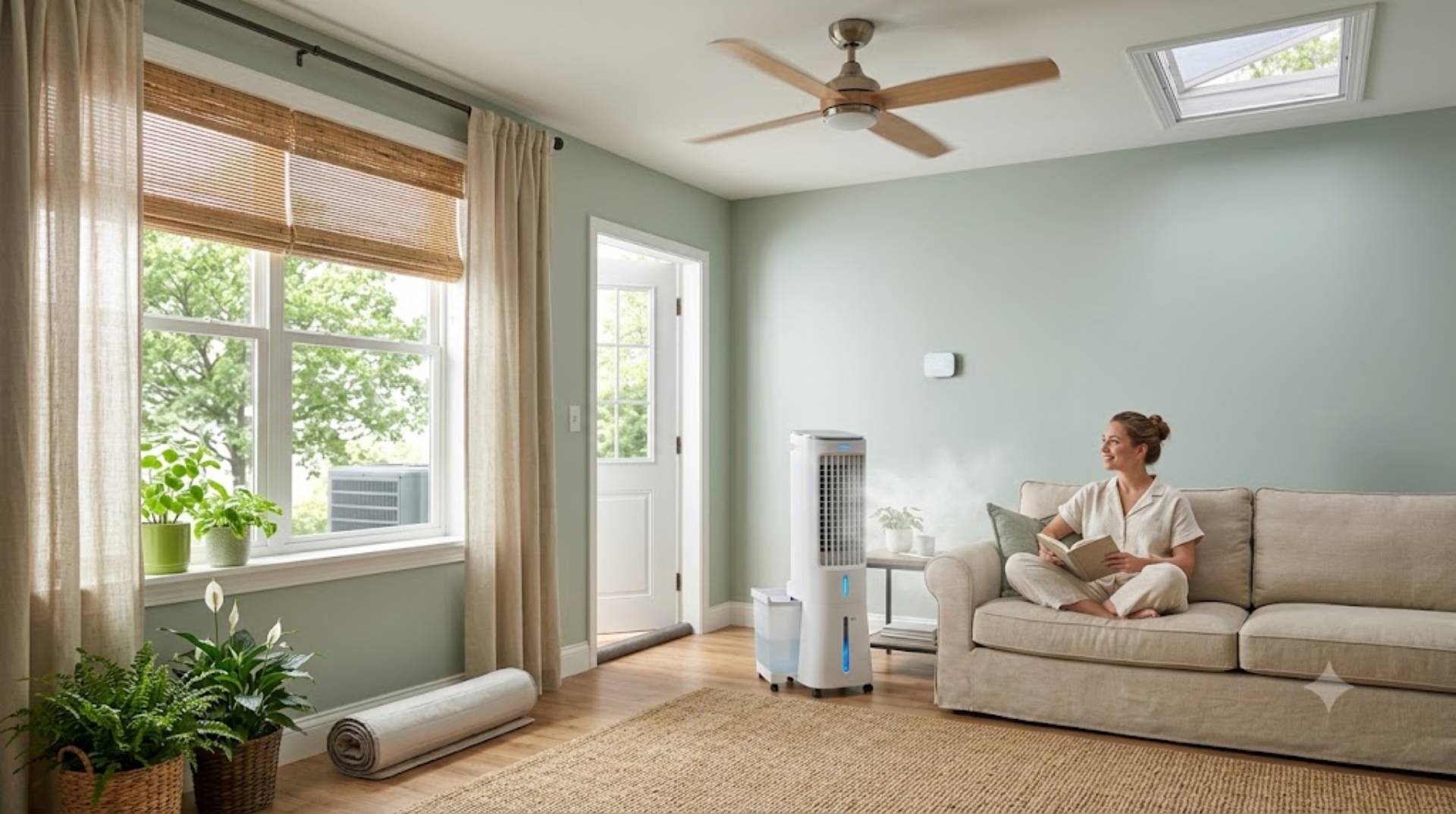
When temperatures climb, it’s natural to rely on your cooling system to stay comfortable. However, constant air conditioner use can quickly drive up energy bills, especially during extended heat waves. The good news is that lowering your cooling costs doesn’t always require major home upgrades or expensive equipment. A handful of practical habits and simple improvements can make a noticeable difference throughout the season.
If you’re looking for better air conditioning for Pensacola heat, combining an efficient cooling system with smart energy-saving practices can help you stay comfortable while keeping utility costs under control. Even small adjustments made today can have a lasting impact over the course of the summer.
Adjust Your Thermostat Wisely
One of the easiest ways to reduce air conditioning costs is by changing your thermostat settings. Many homeowners keep their homes cooler than necessary, which forces the system to run longer and consume more electricity.
During the day, try setting your thermostat a few degrees higher when you’re away from home. If you’re sleeping or spending time outdoors, there’s no reason for your air conditioner to cool an empty house. A programmable or smart thermostat makes these adjustments automatic, helping you save energy without sacrificing comfort.
Even a modest increase of two or three degrees can lower cooling expenses over the course of an entire season.
Replace Air Filters Regularly
A dirty air filter restricts airflow, making your air conditioner work harder than necessary. This added strain not only increases energy consumption but may also shorten the lifespan of your HVAC system.
Check your filter every month during periods of heavy use. Depending on your household, pets, and indoor air quality, replacing it every one to three months is usually recommended. A clean filter allows air to circulate more efficiently, improving comfort while reducing operating costs.
It’s a simple maintenance task that delivers immediate benefits.
Keep Vents and Registers Clear
Furniture, curtains, rugs, or storage boxes can unintentionally block supply vents and return registers. When airflow is restricted, your cooling system has to compensate by running longer.
Walk through your home and ensure every vent is completely open and unobstructed. Proper airflow allows cooled air to circulate evenly, helping rooms reach the desired temperature faster.
This quick inspection costs nothing but can improve your system’s overall efficiency.
Reduce Heat From Sunlight
Direct sunlight can significantly increase indoor temperatures, especially during the hottest part of the afternoon. Windows that receive full sun often become major sources of unwanted heat.
Closing blinds, curtains, or shades during peak daylight hours helps prevent solar heat from entering your home. Blackout curtains or reflective window coverings provide even greater insulation, allowing your air conditioner to work less.
If possible, open window coverings again once the sun moves away to let in natural light without the extra heat.
Seal Air Leaks Around Your Home
Cool air escaping through small gaps around doors, windows, or attic access points forces your air conditioner to replace the lost air continuously.
Inspect common areas where drafts occur and apply weatherstripping or caulk where needed. Sealing these small leaks improves energy efficiency throughout the year, not just during summer.
Proper insulation also helps maintain a more consistent indoor temperature, reducing how often your cooling system cycles on.
Use Ceiling Fans to Support Cooling
Ceiling fans don’t actually lower the room’s temperature, but they create a wind-chill effect that makes people feel cooler. Because of this, you may be able to raise your thermostat several degrees while maintaining the same level of comfort.
Remember to turn fans off when leaving a room. Fans cool people, not spaces, so running them in empty rooms only wastes electricity.
When used correctly, ceiling fans can noticeably reduce the workload on your air conditioner.
Avoid Adding Extra Indoor Heat
Many everyday activities generate heat inside the home. Cooking with the oven, running the dryer, or using heat-producing appliances during the hottest hours can raise indoor temperatures and trigger more frequent air conditioner cycles.
Whenever possible, prepare meals using a microwave, slow cooker, or outdoor grill. Run dishwashers, washing machines, and dryers during the evening or early morning when outdoor temperatures are lower.
Small scheduling changes like these can reduce the amount of cooling your home requires.
Schedule Preventive HVAC Maintenance
Routine maintenance is one of the most effective ways to keep an air conditioning system operating efficiently. During a professional inspection, technicians clean important components, check refrigerant levels, inspect electrical connections, and identify minor issues before they become expensive repairs.
A well-maintained system typically cools more efficiently, experiences fewer breakdowns, and often lasts longer than one that receives little attention.
Annual maintenance before or early in the cooling season is a worthwhile investment for both performance and long-term savings.
Keep the Outdoor Unit Clean
Your outdoor condenser needs adequate airflow to release heat effectively. Leaves, grass clippings, weeds, and debris surrounding the unit can reduce efficiency.
Regularly clear away vegetation and keep at least two feet of open space around the equipment. Gently rinsing dirt from the condenser fins with a garden hose can also improve airflow, although deeper cleaning should be left to HVAC professionals.
A clean outdoor unit allows your system to cool your home with less effort.
Upgrade Small Habits That Add Up
Reducing summer cooling costs isn’t about making one dramatic change. Instead, it’s the combination of several small improvements that produces meaningful savings over time.
Simple habits like replacing filters, sealing air leaks, managing sunlight, using ceiling fans wisely, and maintaining your HVAC system all contribute to greater energy efficiency. Individually, each adjustment may seem minor, but together they reduce unnecessary strain on your air conditioner while helping maintain a comfortable indoor environment.
Conclusion
Keeping your home cool during the hottest months doesn’t have to mean accepting soaring energy bills. By making a few thoughtful adjustments and staying consistent with routine maintenance, you can improve your home’s comfort while lowering overall cooling costs.
Whether it’s adjusting the thermostat, improving airflow, limiting indoor heat, or scheduling regular HVAC service, every small step helps your system operate more efficiently. Over an entire summer, these simple changes can translate into noticeable savings, making your home more comfortable without placing unnecessary strain on your budget.
 Mike Wilson