
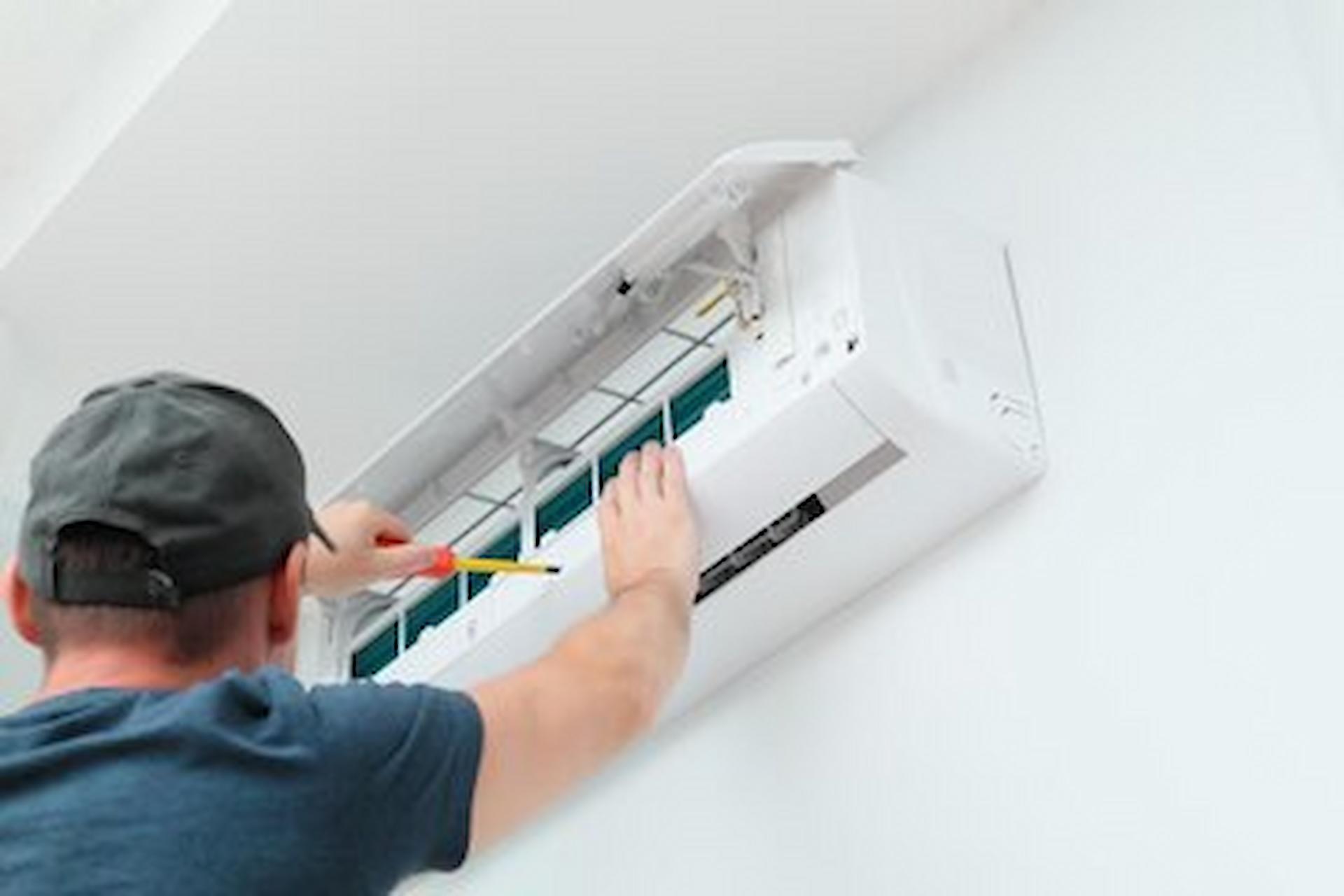
Air conditioners have become essential for maintaining comfortable indoor environments, especially during warmer months when temperatures rise and cooling systems operate for extended hours. However, like any mechanical system, they require consistent care to perform at their best. Without proper maintenance, efficiency drops, energy consumption increases, and the risk of unexpected breakdowns becomes significantly higher.
Regular air conditioner maintenance is not just about fixing problems when they arise. It is about preventing them altogether. A well-maintained system delivers stable cooling, better airflow, improved energy efficiency, and a longer operational lifespan. More importantly, it helps maintain healthier indoor air quality while keeping electricity bills under control.
Why Air Conditioner Maintenance Matters
Air conditioners work by continuously circulating air, removing heat, and regulating indoor humidity. Over time, dust, debris, and mechanical strain naturally build up within the system. When this happens, performance begins to decline gradually, often without immediate notice.
A neglected unit may still function, but it will work harder to deliver the same level of cooling. This increases energy usage and places unnecessary pressure on internal components. Eventually, this can lead to costly repairs or even complete system failure.
Routine maintenance ensures that every part of the system operates smoothly and efficiently, reducing strain and improving reliability throughout the cooling season.
Essential Air Conditioner Maintenance Tasks
Proper AC care involves a combination of simple cleaning and technical inspection tasks. While some can be done by homeowners, others may require professional servicing.
Key maintenance tasks include:
- Cleaning or replacing air filters regularly to maintain airflow and reduce dust buildup
- Inspecting condenser and evaporator coils to ensure efficient heat exchange
- Checking and clearing drainage lines to prevent moisture blockages
- Ensuring proper airflow around indoor and outdoor units
- Monitoring refrigerant levels for optimal cooling performance
- Inspecting electrical connections for safety and stability
Each of these steps contributes directly to system efficiency and helps prevent unnecessary strain on the unit.
Seasonal Air Conditioner Maintenance Checklist
Seasonal maintenance plays a crucial role in keeping cooling systems prepared for peak usage periods. Before the onset of summer, a thorough inspection ensures the system is ready for continuous operation.
A practical seasonal approach includes:
- Testing cooling performance before high-demand months begin
- Removing dust and debris from outdoor units
- Checking thermostat accuracy for proper temperature control
- Ensuring fans and motors operate without unusual noise
- Verifying that airflow is consistent across all vents
Preparing the system in advance reduces the likelihood of mid-season breakdowns and ensures uninterrupted comfort during extreme heat conditions.
Signs Your Air Conditioner Needs Attention
Even with regular upkeep, air conditioners may show early warning signs when something is not functioning correctly. Recognising these signals early can prevent larger issues.
Common indicators include:
- Weak or uneven cooling across rooms
- Unusual noises such as rattling or buzzing
- Increased energy bills without higher usage
- Foul or musty odours coming from vents
- Water leakage around indoor units
These symptoms often point to underlying issues such as clogged filters, refrigerant imbalance, or mechanical wear. Prompt attention helps avoid further damage and restores system efficiency quickly.
Benefits of Preventive Air Conditioner Maintenance
Preventive maintenance is one of the most effective ways to extend the life of an air conditioning system while maintaining consistent performance. Rather than waiting for issues to arise, scheduled upkeep ensures the system remains in optimal condition year-round.
The key benefits include improved energy efficiency, as a clean and well-calibrated system uses less power to cool the same space. It also enhances indoor air quality by reducing dust and allergens circulating through the home. Additionally, it significantly lowers the risk of sudden breakdowns, especially during peak summer demand when systems are under the most pressure.
Another important advantage is cost savings. Regular maintenance reduces the likelihood of expensive emergency repairs and helps delay the need for full system replacement.
Reader Questions
1. How often should an air conditioner be serviced?
Air conditioners should typically be serviced once a year. Annual servicing ensures optimal performance, prevents breakdowns, and keeps the system running efficiently throughout the cooling season.
2. What is the most important maintenance task for AC units?
Cleaning or replacing air filters is the most important task. It directly affects airflow, cooling efficiency, and indoor air quality while reducing strain on the system.
3. Can regular maintenance reduce electricity bills?
Yes, regular maintenance improves energy efficiency by allowing the system to operate smoothly. A clean and well-maintained unit consumes less electricity to achieve the same cooling output.
4. What causes an air conditioner to lose cooling efficiency?
Common causes include dirty filters, clogged coils, low refrigerant levels, or restricted airflow. These issues force the system to work harder and reduce overall performance.
5. Is professional servicing necessary for AC maintenance?
Professional servicing is recommended for technical checks such as refrigerant levels, electrical inspection, and deep cleaning. It ensures safe and accurate system performance.
Wrapping Up
Air conditioner maintenance is a practical and necessary part of ensuring long-term comfort and efficiency in any home. By taking a proactive approach, homeowners can avoid unnecessary repairs, reduce energy consumption, and extend the lifespan of their cooling systems. Simple habits such as cleaning filters, monitoring airflow, and scheduling routine inspections make a noticeable difference in overall performance.
A well-maintained air conditioner does more than cool a space. It delivers reliability, consistency, and peace of mind during the hottest months of the year.