
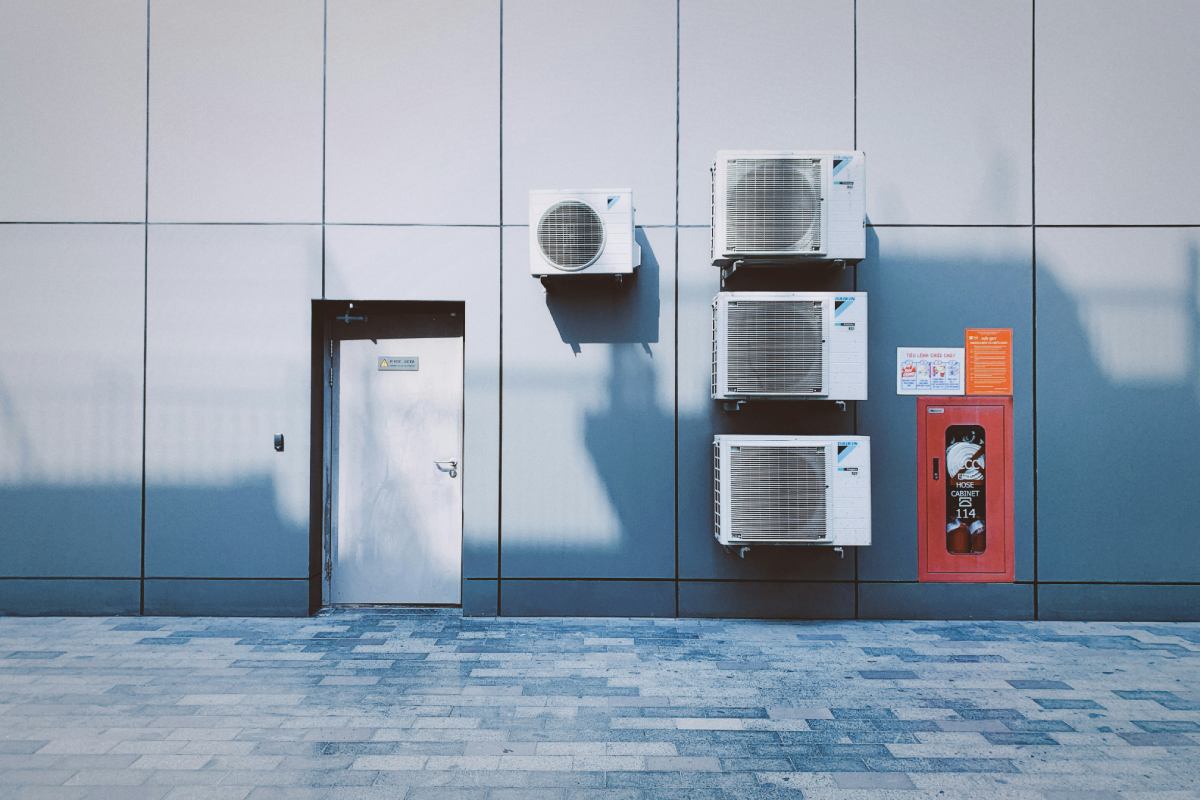
Maintaining a comfortable indoor environment throughout the year depends heavily on how efficiently your heating and cooling system performs. Whether it’s the peak of summer or the chill of winter, an optimized HVAC system can improve comfort, reduce energy bills, and extend equipment lifespan. Many homeowners overlook simple adjustments that can make a meaningful difference.
A well-maintained system doesn’t just regulate temperature—it supports indoor air quality and overall home efficiency. Resources like HVACGram and guides can help homeowners better understand how to manage their systems effectively. Below are practical, straightforward ways to optimize your home’s heating and cooling system.
Understand Your System First
Before making improvements, it’s important to understand the type of HVAC system installed in your home. Systems can vary from central air conditioning and furnaces to heat pumps and ductless mini-splits.
Knowing how your system operates helps you:
- Identify inefficiencies
- Recognize early signs of wear
- Make informed decisions about upgrades
Even basic awareness—like knowing where filters and vents are located—can make routine maintenance easier.
Replace or Clean Air Filters Regularly
One of the simplest yet most impactful steps is maintaining clean air filters. Dirty filters restrict airflow, forcing your system to work harder than necessary.
A clogged filter can lead to:
- Reduced efficiency
- Higher energy consumption
- Poor indoor air quality
Most homes benefit from replacing filters every 1–3 months, depending on usage and environmental factors like dust or pet hair. This small habit can significantly improve system performance.
Optimize Thermostat Settings
Your thermostat plays a central role in energy efficiency. Adjusting it strategically can reduce unnecessary strain on your system.
Consider these practices:
- Set temperatures slightly higher in summer and lower in winter when away
- Use programmable or smart thermostats for automated control
- Avoid frequent manual adjustments that cause system cycling
Smart thermostats, in particular, allow better control and learning patterns that adapt to your routine.
Seal and Insulate Your Home
Even the most advanced HVAC system will struggle if your home isn’t properly sealed. Air leaks around doors, windows, and ductwork allow conditioned air to escape.
Improving insulation helps:
- Maintain consistent indoor temperatures
- Reduce energy waste
- Lower utility bills
Focus on sealing gaps and ensuring attic and wall insulation meets recommended standards. This step complements your HVAC system rather than overburdening it.
Keep Vents and Ducts Clear
Blocked vents can disrupt airflow, leading to uneven heating or cooling throughout your home. Furniture, curtains, or debris can restrict proper circulation.
To maintain efficiency:
- Keep vents unobstructed
- Clean visible dust buildup
- Inspect ducts periodically for leaks or damage
Professional duct cleaning may be beneficial if there is excessive buildup affecting airflow.
Schedule Routine Maintenance
Regular professional maintenance ensures your system operates at peak efficiency. Technicians can identify issues that may not be visible to homeowners.
A typical maintenance check includes:
- Inspecting electrical components
- Checking refrigerant levels
- Cleaning internal parts
- Testing system performance
Annual servicing—ideally before peak seasons—can prevent costly repairs and extend the life of your system. For deeper insights and maintenance tips, platforms offer useful guidance tailored to homeowners.
Upgrade When Necessary
Older systems tend to lose efficiency over time, even with proper maintenance. If your HVAC system is more than 10–15 years old, it may be worth evaluating an upgrade.
Modern systems offer:
- Improved energy efficiency ratings
- Better temperature control
- Reduced environmental impact
While replacement is an investment, it often leads to long-term savings and improved comfort.
Use Ceiling Fans to Support Airflow
Ceiling fans are often overlooked as a complementary tool. They don’t replace your HVAC system but help distribute air more evenly.
During warmer months, fans create a wind-chill effect that makes rooms feel cooler. In colder months, reversing the fan direction helps circulate warm air trapped near the ceiling.
This reduces the workload on your heating and cooling system while maintaining comfort.
Monitor Energy Usage
Tracking your energy consumption can reveal patterns and inefficiencies. Sudden spikes in utility bills may indicate system issues or energy loss.
Ways to monitor usage include:
- Reviewing monthly energy bills
- Using smart home energy monitors
- Observing changes in system performance
Being proactive allows you to address problems early rather than waiting for system failure.
FAQs
What is the easiest way to improve HVAC efficiency?
Replacing air filters regularly is one of the simplest and most effective ways to improve efficiency. Clean filters allow proper airflow and reduce strain on the system.
How often should HVAC systems be serviced?
Most systems should be professionally serviced at least once a year. Ideally, schedule maintenance before summer and winter seasons.
Do smart thermostats really save energy?
Yes, smart thermostats help regulate temperature based on usage patterns, reducing unnecessary heating or cooling and lowering energy bills.
Why are some rooms hotter or colder than others?
Uneven temperatures can result from blocked vents, duct leaks, or poor insulation. Addressing airflow issues usually resolves the problem.
When should I consider replacing my HVAC system?
If your system is over 10–15 years old, requires frequent repairs, or shows reduced efficiency, it may be time to consider an upgrade.
Final Thoughts
Optimizing your home’s heating and cooling system is less about major upgrades and more about consistent, smart habits. Simple actions like changing filters, adjusting thermostat settings, and keeping airflow unobstructed can significantly improve performance. When combined with proper insulation and regular maintenance, these steps help reduce energy costs while maintaining year-round comfort. Over time, a well-managed system not only performs better but also lasts longer, making your home more efficient, comfortable, and cost-effective.