
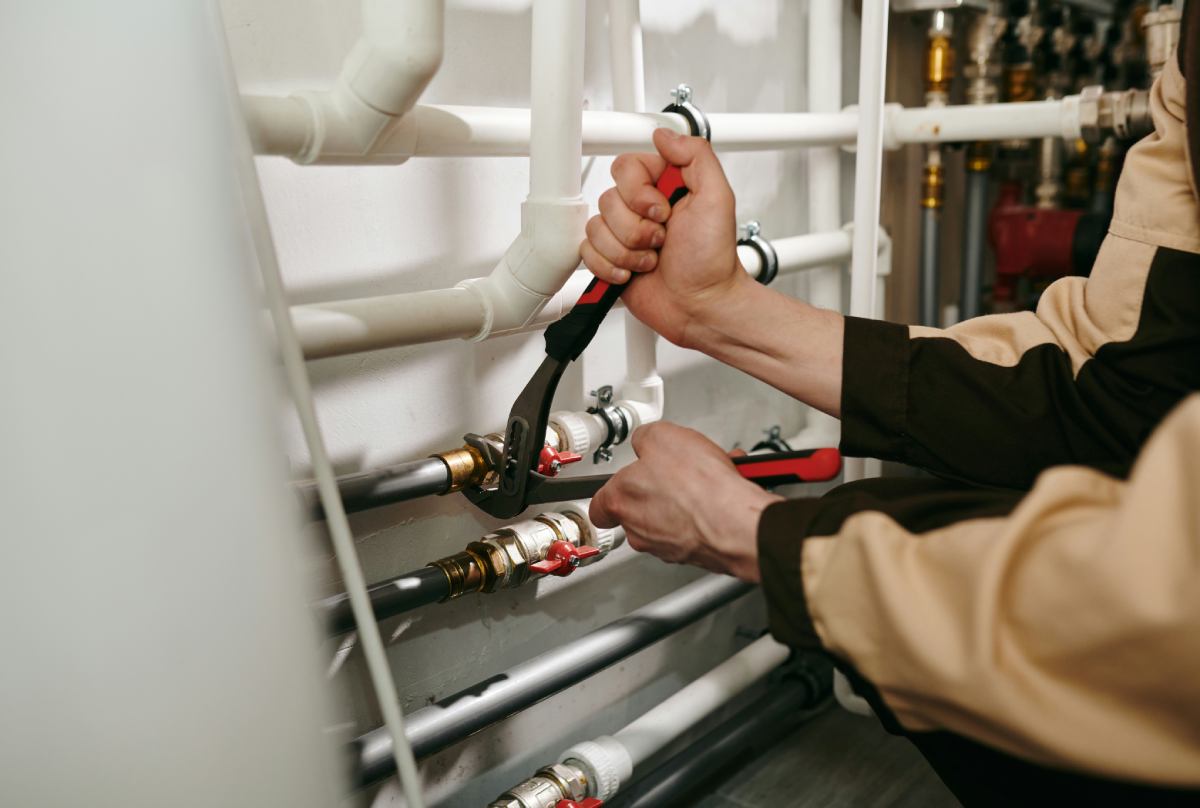
A well-maintained plumbing system is one of the most important yet often overlooked aspects of a comfortable home. From daily routines like showering and cooking to essential functions like drainage and water supply, plumbing plays a constant role in everyday life. When something goes wrong, it can quickly disrupt your routine and lead to costly repairs.
Taking a proactive approach to plumbing maintenance helps prevent unexpected issues, extends the lifespan of your system, and keeps your home running smoothly. With a few practical habits and regular checks, homeowners can avoid most common plumbing problems before they escalate.
Why Plumbing Maintenance Matters
Many plumbing issues develop slowly over time. A small leak, minor blockage, or worn-out component might not seem urgent at first, but these can turn into significant problems if left unattended.
Regular maintenance offers several benefits:
- Reduces the risk of sudden breakdowns
- Helps conserve water and lower utility bills
- Prevents structural damage caused by leaks
- Improves overall system efficiency
By identifying early warning signs, you can address problems before they become expensive emergencies.
Check for Leaks Regularly
Leaks are one of the most common plumbing issues, and they often go unnoticed. Even a small drip can waste a significant amount of water over time.
Inspect areas under sinks, around toilets, and behind appliances like washing machines or dishwashers. Look for:
- Damp spots or water stains
- Mold or mildew growth
- Unusual odors
- Dripping sounds
If you notice any of these signs, it’s important to take action quickly. Tightening connections or replacing worn washers can often resolve minor leaks, but persistent issues may require professional attention.
Keep Drains Clear and Flowing
Clogged drains can disrupt your daily routine and lead to unpleasant odors or backups. The key to avoiding blockages is prevention.
Be mindful of what goes down your drains:
- Avoid pouring grease or oil into kitchen sinks
- Use drain strainers to catch hair and debris
- Do not flush non-degradable items like wipes or paper towels
Regularly flushing drains with hot water can help clear minor buildup. For deeper cleaning, a mixture of baking soda and vinegar can be effective without damaging pipes.
Maintain Water Pressure at Safe Levels
Water pressure that is too high can strain your plumbing system and lead to leaks or pipe damage. On the other hand, low pressure may indicate an underlying issue such as a blockage or hidden leak.
If you notice a sudden change in water pressure, it’s worth investigating. Installing a pressure regulator can help maintain consistent levels and protect your system over time.
Inspect Fixtures and Appliances
Faucets, showerheads, and other fixtures are used daily and naturally experience wear and tear. Over time, seals can weaken, and mineral deposits may build up.
Make it a habit to:
- Clean showerheads to remove mineral buildup
- Replace worn-out washers or seals
- Check for loose fittings
Similarly, appliances like water heaters and washing machines should be inspected periodically. Ensuring they are functioning properly can prevent leaks and improve efficiency.
Take Care of Your Water Heater
The water heater is a critical component of your plumbing system, and neglecting it can lead to reduced performance or even failure.
Basic maintenance steps include:
- Flushing the tank annually to remove sediment buildup
- Checking the temperature setting (typically around 120°F is recommended)
- Inspecting for signs of rust or corrosion
Regular care not only improves performance but also extends the life of the unit.
Prepare for Seasonal Changes
Different seasons can place varying demands on your plumbing system. Cold weather, in particular, can cause pipes to freeze and burst if not properly protected.
Before winter:
- Insulate exposed pipes
- Disconnect and drain outdoor hoses
- Seal gaps around pipes entering your home
In warmer months, increased water usage may put additional strain on your system, making it important to stay vigilant for leaks or inefficiencies.
Know When to Call a Professional
While many maintenance tasks can be handled independently, some situations require expert assistance. Persistent leaks, major clogs, or unusual noises in your plumbing system should not be ignored.
A professional plumber can:
- Diagnose hidden issues
- Perform thorough inspections
- Provide long-term solutions
Timely intervention can prevent further damage and ensure your plumbing system remains in optimal condition.
Build a Simple Maintenance Routine
Consistency is key when it comes to plumbing maintenance. Creating a simple routine can make the process manageable and effective.
Consider scheduling:
- Monthly visual inspections for leaks
- Quarterly drain cleaning
- Annual professional check-ups
Keeping track of these tasks ensures nothing is overlooked and helps maintain the overall health of your system.
Final Thoughts
A hassle-free home starts with a reliable plumbing system. While problems can arise unexpectedly, most issues are preventable with regular care and attention. By checking for leaks, maintaining fixtures, keeping drains clear, and staying mindful of seasonal changes, homeowners can avoid common plumbing challenges.
Taking a proactive approach not only saves time and money but also provides peace of mind. With consistent maintenance and timely action, your plumbing system can continue to support your home efficiently for years to come.
 Alex Martin