
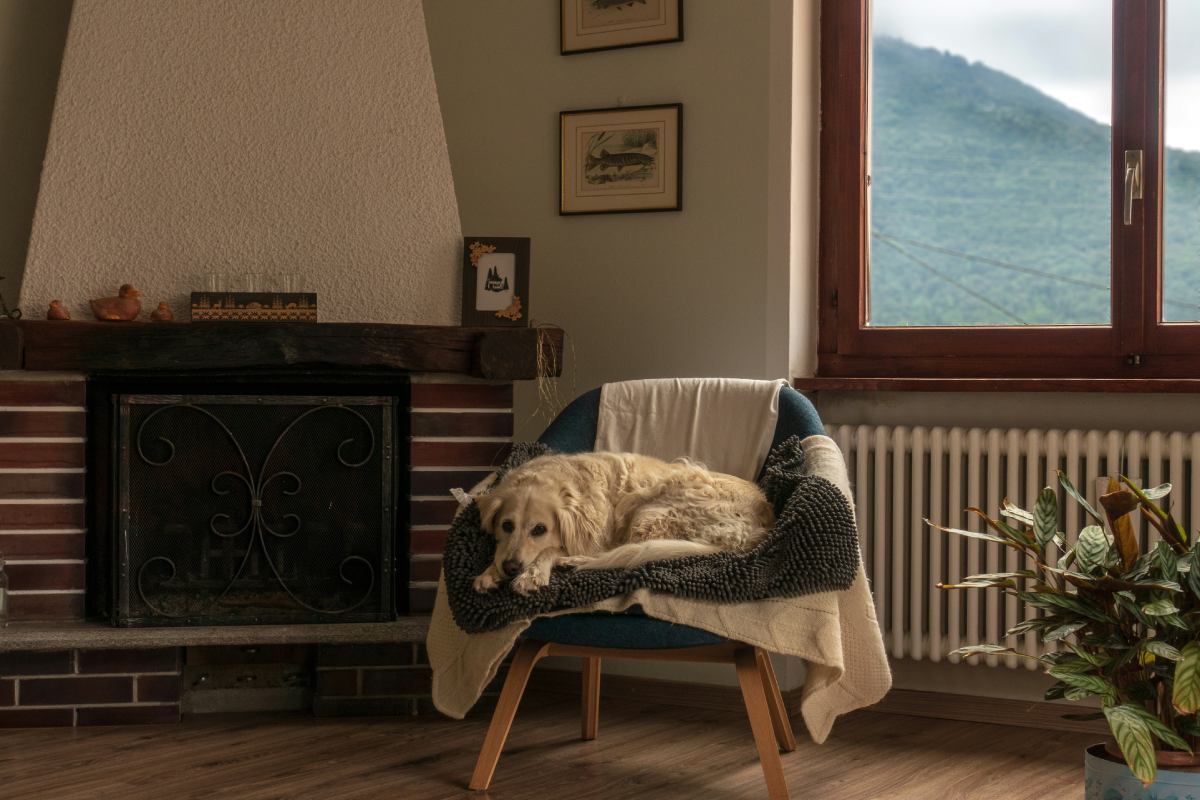
Creating a home that feels inviting, functional, and visually appealing doesn’t require a full renovation or a large budget. In many cases, small, intentional changes can significantly improve how your space looks and how it makes you feel. Thoughtful design choices, attention to detail, and a clear sense of purpose can transform even the simplest interiors.
Whether you’re refreshing a single room or refining your entire home, focusing on practical and achievable updates can make the process more manageable. The key is to approach your space with clarity and consistency, ensuring every element contributes to comfort and visual harmony.
Start With Decluttering and Organization
Before introducing new décor, take a step back and assess what you already have. Clutter can easily overwhelm a room, making it feel smaller and less inviting. Removing unnecessary items creates a clean foundation and allows your design choices to stand out.
Focus on surfaces such as countertops, tables, and shelves. Keep only what serves a purpose or adds value to the space. Storage solutions like baskets, trays, and organizers can help maintain order while still looking stylish.
A well-organized room naturally feels more open and calm, setting the tone for further improvements.
Improve Lighting for a Better Atmosphere
Lighting plays a crucial role in shaping how a space feels. A poorly lit room can appear dull and uninviting, while thoughtful lighting enhances both function and mood.
Consider layering different types of lighting:
- Ambient lighting for overall brightness
- Task lighting for specific activities like reading or cooking
- Accent lighting to highlight décor or architectural features
Natural light should also be maximized wherever possible. Simple adjustments like using lighter curtains or repositioning furniture can help more daylight flow into the room.
Refresh With Textiles and Soft Furnishings
Updating textiles is one of the easiest ways to change the look of a room without major effort. Items like cushions, throws, rugs, and curtains can introduce new textures, colors, and patterns.
Choose fabrics that complement your existing décor while adding warmth and depth. For example, a neutral sofa can feel entirely different with the addition of layered cushions in varying tones and materials.
Rugs can also define spaces, especially in open-plan areas, helping to create a more structured and cohesive layout.
Incorporate Thoughtful Color Choices
Color has a strong impact on the overall feel of a home. Even subtle changes can make a noticeable difference. If repainting walls isn’t practical, consider adding color through accessories, artwork, or small furniture pieces.
A balanced color palette helps maintain visual harmony. Stick to a few complementary shades and repeat them throughout the space to create a unified look.
Neutral tones often provide a timeless base, while accents can be updated more easily as your preferences evolve.
Add Personal and Meaningful Details
A well-designed home should reflect the people who live in it. Personal touches add character and make a space feel authentic rather than staged.
Display items that have meaning, such as photographs, travel souvenirs, or artwork. The goal is not to fill every surface but to curate pieces that tell a story.
Arranging these elements thoughtfully—rather than randomly—ensures they enhance the space instead of overwhelming it.
Focus on Furniture Placement
Sometimes, improving a room is less about adding new items and more about rearranging what you already have. Furniture placement affects both functionality and flow.
Ensure there is enough space to move comfortably around the room. Avoid blocking natural pathways or windows. In living areas, arrange seating to encourage conversation and connection.
Even small adjustments, such as angling a chair or repositioning a table, can create a more balanced and inviting layout.
Introduce Natural Elements
Bringing elements of nature into your home can instantly improve its atmosphere. Plants, for example, add color, texture, and a sense of freshness.
If maintaining live plants isn’t practical, high-quality artificial options can still provide visual interest. Other natural materials, such as wood, stone, or woven textures, also contribute to a more grounded and calming environment.
These elements work well across different design styles and can be incorporated gradually.
Upgrade Small Details
Often, it’s the smallest details that make the biggest difference. Swapping out outdated hardware, updating light fixtures, or changing cabinet handles can subtly modernize a space.
Similarly, replacing worn-out items like cushions, bedding, or towels can improve both appearance and comfort. These updates are typically affordable and easy to implement, making them ideal for quick improvements.
Pay attention to consistency—matching finishes and materials helps create a more polished look.
Keep It Balanced and Intentional
While it’s tempting to try multiple ideas at once, restraint is important. A well-designed space feels cohesive because each element has been chosen with intention.
Avoid overcrowding rooms with too many styles or colors. Instead, focus on balance—combining functionality with aesthetics in a way that feels natural and comfortable.
Taking a step-by-step approach allows you to evaluate what works best for your space and make adjustments as needed.
FAQs
What is the easiest way to improve home décor quickly?
The easiest way is to declutter and refresh key elements like cushions, rugs, and lighting. Small updates can instantly improve how a room looks and feels without requiring major changes.
How can I make my home look more expensive on a budget?
Focus on details such as lighting, neutral color palettes, and well-placed décor. Keeping spaces clean, organized, and cohesive often creates a more refined appearance without high costs.
Does lighting really affect home design?
Yes, lighting significantly impacts mood and functionality. A well-lit space feels more open, comfortable, and visually appealing compared to a poorly lit one.
How do I choose the right colors for my home?
Start with a neutral base and add a few complementary accent colors. Keeping the palette consistent across rooms helps create a harmonious and balanced look.
Are plants necessary for good home décor?
Plants are not essential, but they add freshness and visual interest. If real plants aren’t suitable, artificial options or natural materials can achieve a similar effect.
Wrapping Up
Elevating your home’s look and feel doesn’t require dramatic changes. By focusing on organization, lighting, textiles, color, and thoughtful details, you can create a space that feels both stylish and comfortable.
The most effective improvements are often the simplest—small adjustments that enhance how your home functions and reflects your personal style. With a clear vision and a practical approach, any space can become more inviting, balanced, and enjoyable to live in.