
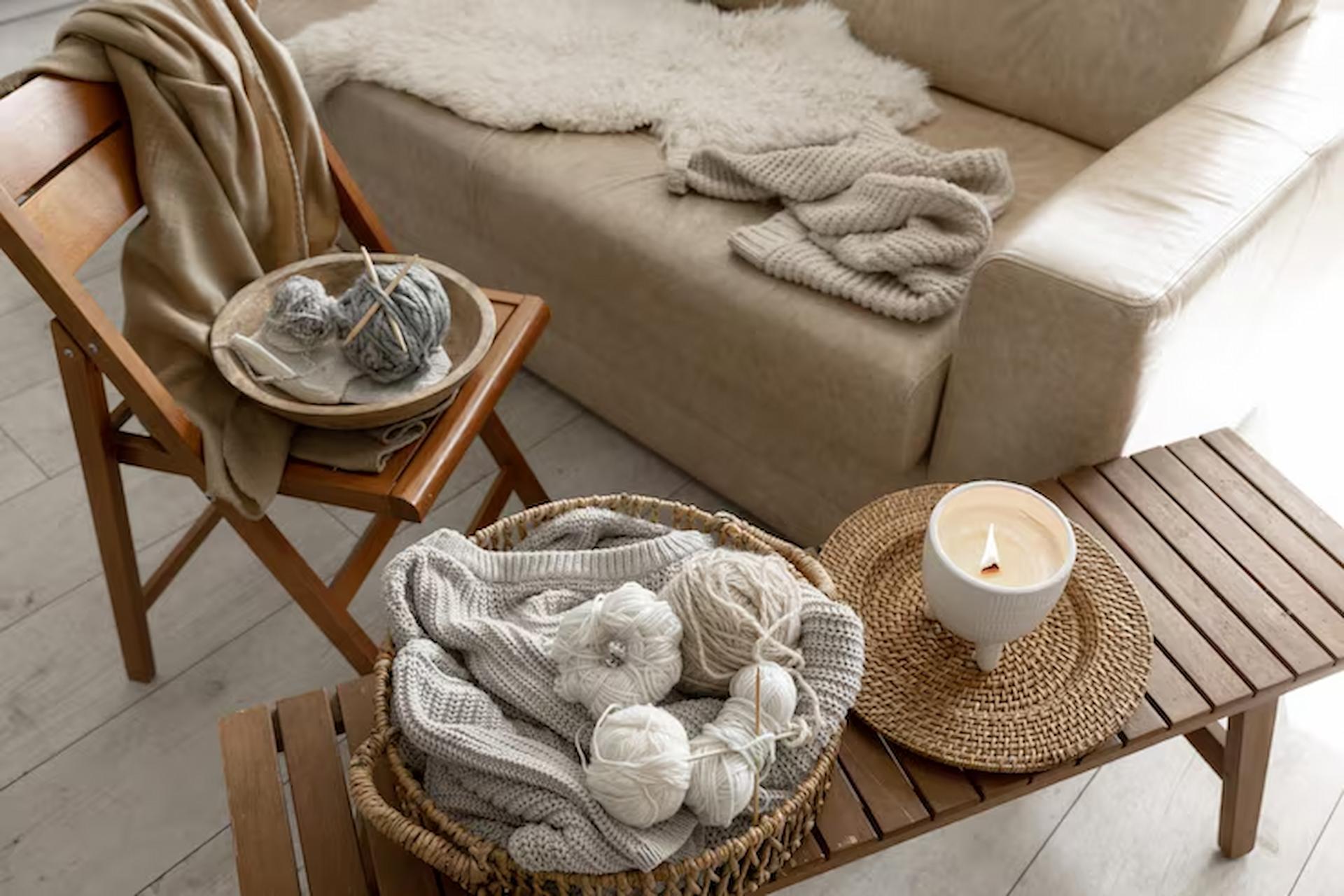
A cozy home is not defined by size, luxury, or expensive furniture. It is created through thoughtful details that make people feel relaxed, comfortable, and emotionally at ease the moment they walk into a room. Soft textures, warm lighting, calming colors, and inviting layouts all contribute to an atmosphere that feels personal and comforting throughout the year.
As modern life becomes increasingly busy and digitally connected, many homeowners are shifting their focus toward interiors that support rest, wellbeing, and meaningful everyday living. Instead of constantly redesigning entire spaces, people are looking for simple, affordable ways to create warmth and comfort without major renovations.
The appeal of cozy interiors continues to grow because comfort never goes out of style. Whether it is a small apartment, a family home, or a quiet reading corner, intentional design choices can make any space feel more welcoming and emotionally balanced. Small adjustments often have the greatest impact when chosen carefully and layered thoughtfully.
Soft Lighting Creates a More Relaxing Atmosphere
Lighting strongly affects how a home feels. Bright overhead lighting may be practical, but softer, layered lighting usually creates a calmer and more inviting atmosphere.
Warm-toned table lamps, wall sconces, and floor lamps help rooms feel gentler in the evenings and during colder seasons. Instead of relying on a single ceiling fixture, combining different light sources adds depth and comfort to interiors.
Simple lighting ideas that instantly improve ambiance include:
- Warm LED table lamps
- Dimmable wall lighting
- Soft bedside lamps
- Candles for evening warmth
- Fairy lights or subtle LED accents
Natural light remains equally important during daytime hours. Sheer curtains and strategically placed mirrors help maximize sunlight while keeping spaces bright and open.
A well-lit room should feel balanced rather than harsh. The goal is to create an atmosphere that encourages relaxation while still supporting everyday activities comfortably.
Layered Textiles Add Warmth and Texture
One of the easiest ways to make a home feel cozier is through layered fabrics and soft textures. Cushions, throws, rugs, curtains, and upholstered furniture instantly soften interiors and create a more welcoming environment.
Texture plays a major role in emotional comfort because it makes spaces feel lived-in and visually warm. Natural materials like cotton, wool, linen, and boucle fabric help create softness without making interiors feel cluttered.
Popular cozy textile additions include:
- Chunky knit blankets
- Linen cushion covers
- Soft area rugs
- Layered bedding
- Textured curtains
Layering different textures also adds depth to minimalist spaces. A neutral sofa becomes more inviting with textured cushions and a soft throw blanket, while rugs help define seating areas and improve comfort underfoot.
Seasonal textile updates are another simple way to refresh interiors throughout the year. Lightweight fabrics work well in warmer months, while thicker knits and layered blankets provide warmth in colder seasons.
Calming Colors Help Interiors Feel More Comfortable
Color has a direct impact on mood and atmosphere inside the home. Calm, earthy tones often create a sense of relaxation because they feel natural and visually soothing.
Soft beige, warm white, muted green, dusty blue, and terracotta tones continue to remain popular because they create warmth without overwhelming a space. These colors work especially well in living rooms and bedrooms where comfort is a priority.
Colors commonly associated with cozy interiors include:
- Warm beige
- Soft cream
- Sage green
- Dusty blue
- Terracotta
- Warm grey
Neutral palettes also allow textures and lighting to stand out more naturally. Instead of filling rooms with strong contrasting colors, softer combinations often create a more timeless and balanced appearance.
Adding color through cushions, artwork, or decorative accessories can keep interiors feeling fresh while maintaining an overall calming atmosphere.
Natural Materials Bring Warmth and Authenticity
Natural materials help homes feel grounded, comfortable, and connected to nature. Wood, stone, rattan, linen, and ceramic finishes introduce warmth and texture that synthetic materials often lack.
Wooden furniture and accents immediately soften modern interiors, especially when paired with natural fabrics and warm lighting. Even smaller details, such as woven baskets, ceramic vases, or wooden shelving, can make a room feel more inviting.
Materials that work particularly well in cozy spaces include:
- Natural wood finishes
- Linen fabrics
- Woven rattan details
- Stone textures
- Handmade ceramics
Homes that combine natural elements with soft textures usually feel calmer because the materials create visual warmth without excessive decoration. This balance works particularly well in modern interiors where simplicity and comfort need to coexist.
Indoor greenery also supports this connection to nature while improving freshness and visual softness throughout the home.
Seating Arrangements Influence Comfort and Connection
A cosy living space should encourage conversation, relaxation, and everyday comfort. Furniture placement plays a major role in achieving this feeling.
Rooms often feel more welcoming when seating is arranged to create connection rather than distance. Sofas and chairs positioned closer together naturally encourage conversation and make larger rooms feel more intimate.
Comfort-focused seating arrangements often include:
- Chairs angled toward each other
- Layered cushions for support
- Reading corners with soft lighting
- Window seating areas
- Smaller conversational zones
Comfortable seating matters just as much as layout. Deep cushions, supportive chairs, and layered textiles help spaces feel inviting enough for long conversations, reading, or quiet evenings at home.
Creating smaller functional zones within larger rooms can also improve comfort. A reading corner with soft lighting or a window seat with cushions instantly adds personality and warmth.
Indoor Plants Make Spaces Feel More Alive
Indoor plants bring softness, freshness, and natural color into living spaces. They also help interiors feel calmer and more balanced throughout the year.
Larger plants can fill empty corners beautifully, while smaller plants work well on shelves, coffee tables, or windowsills. Even simple greenery can make a room feel more vibrant without requiring significant effort.
Popular low-maintenance indoor plants include:
- Snake plants
- Pothos
- Peace lilies
- ZZ plants
- Rubber plants
Plants also pair naturally with cozy design styles because they soften clean lines and add organic texture. Combined with natural light and warm materials, greenery creates a more relaxing and welcoming environment.
Seasonal Decor Keeps Interiors Feeling Fresh
Small seasonal updates help maintain a cozy atmosphere throughout the year without requiring complete redesigns. Simple changes in textiles, lighting, colors, or decorative details can refresh interiors naturally as seasons change.
During autumn and winter, warmer fabrics, candles, and earthy tones often create a comforting environment. In spring and summer, lighter fabrics, fresh flowers, and brighter natural light help spaces feel open and airy.
Easy seasonal updates can include:
- Switching cushion covers
- Adding seasonal flowers
- Updating throws and blankets
- Changing candle scents
- Incorporating seasonal colours
Seasonal decorating works best when it feels subtle and intentional rather than excessive. The goal is to support comfort and atmosphere while keeping the home functional and visually balanced.
Comfort-Focused Interiors Support Everyday Wellbeing
A truly cozy home supports more than appearance alone. Comfortable interiors can positively affect stress levels, relaxation, sleep quality, and emotional wellbeing.
Spaces designed with comfort in mind encourage slower routines and more mindful living. Soft lighting, organized layouts, calming colors, and natural materials all contribute to environments where people feel more at ease mentally and physically.
Homes should feel restorative rather than overstimulating. Even small improvements in comfort and atmosphere can make daily routines feel calmer and more enjoyable over time.
FAQs
How can I make my living room feel cozier quickly?
Adding soft lighting, textured cushions, warm-toned throws, and a layered rug can instantly make a living room feel warmer, calmer, and more inviting without changing the entire design.
What colors create a cozy interior atmosphere?
Warm neutrals, soft greens, muted blues, beige, terracotta, and earthy tones help interiors feel calm, comfortable, and visually relaxing year-round.
Why is lighting important in cozy home design?
Lighting affects mood and atmosphere. Warm layered lighting creates a softer, more relaxing environment that makes living spaces feel comfortable and emotionally welcoming.
Do indoor plants make a home feel cozier?
Yes. Indoor plants add softness, natural texture, and freshness, helping rooms feel more balanced, relaxing, and connected to nature..
Conclusion
Creating a cozy living space does not require expensive renovations or dramatic design changes. The most comfortable homes are often shaped by thoughtful details that foster warmth, relaxation, and emotional comfort in every season.
Soft lighting, layered textiles, calming colors, natural materials, comfortable seating, and indoor plants all work together to create interiors that feel welcoming and lived-in. These simple design choices improve not only visual appeal but also everyday wellbeing and quality of life.
As more people prioritize comfort-focused interiors, cozy living spaces continue to remain timeless because they reflect something deeply human — the desire to feel calm, safe, and comfortable at home.