
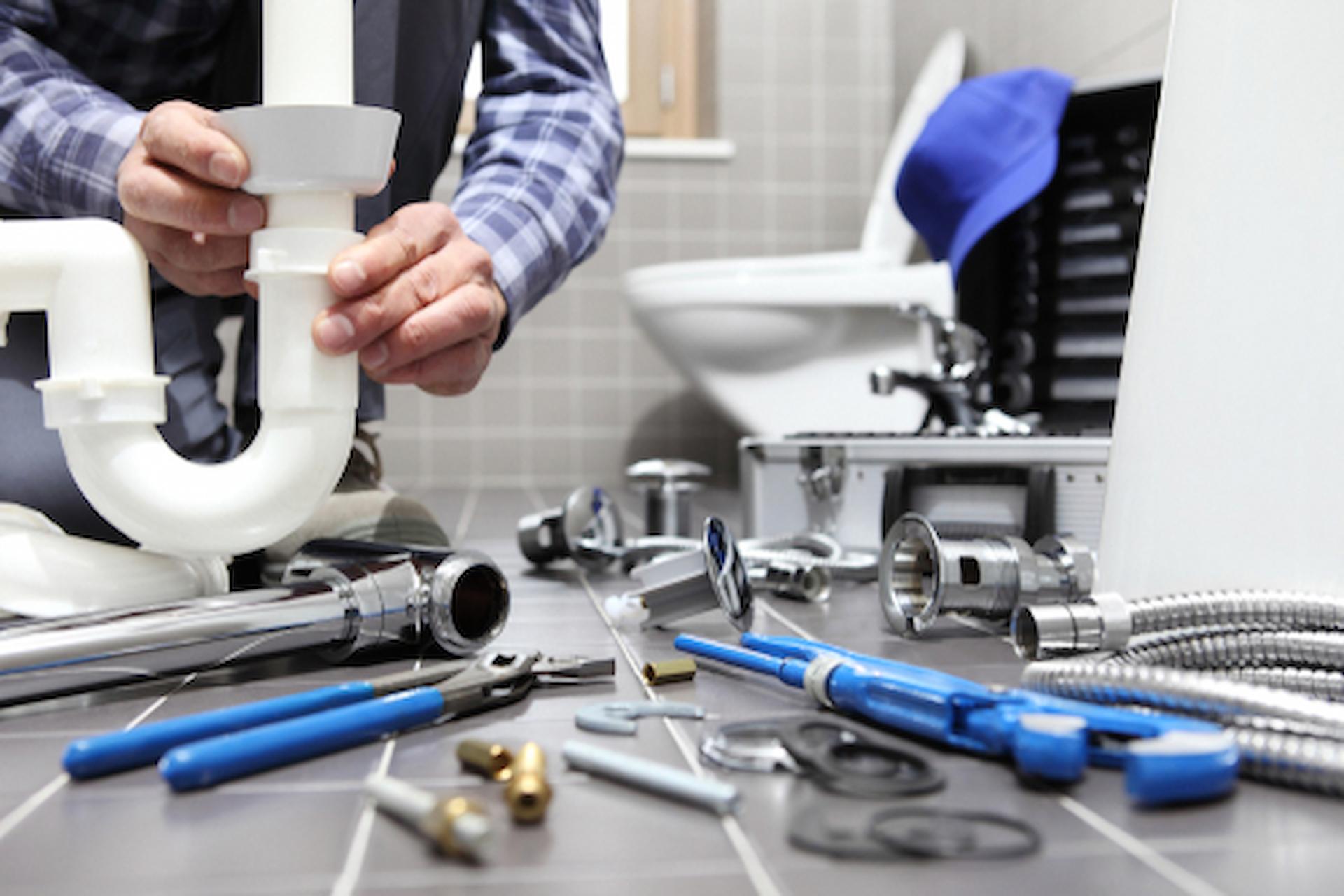
Plumbing systems quietly support everyday life until problems arise. Weak water pressure, recurring leaks, rusty water, or unusual pipe noises often signal that aging plumbing may no longer be functioning efficiently. While small repairs can temporarily address isolated issues, older pipes eventually reach a point where replacement is the smarter, more cost-effective solution.
Pipe replacement may sound overwhelming at first, but understanding the warning signs and available options helps homeowners make informed decisions before serious damage occurs. Modern plumbing upgrades improve water quality, reduce the risk of leaks, increase efficiency, and protect long-term property value.
1. Recurring Leaks Often Signal Bigger Plumbing Problems
Occasional leaks can happen in almost any plumbing system. However, repeated leaks in different areas of the home usually point to larger issues within aging pipes.
Older plumbing materials naturally weaken over time due to corrosion, mineral buildup, temperature changes, and long-term water exposure. Once pipes begin deteriorating internally, patch repairs may only provide temporary relief before new leaks appear elsewhere.
Recurring leaks can also damage walls, flooring, insulation, and structural materials long before visible signs appear. Water damage repairs often become far more expensive than addressing the underlying plumbing issue.
2. Discolored Water Can Indicate Corrosion Inside Pipes
Brown, yellow, or rusty-looking water is one of the clearest warning signs of pipe deterioration. In many older homes, corrosion develops inside metal plumbing systems over decades of use.
As pipes corrode internally, rust particles and sediment may enter the water supply, affecting both the water’s appearance and quality. This issue becomes especially common in aging galvanized steel pipes.
Discolored water may appear intermittently at first, then become more frequent over time. Some homeowners also notice metallic tastes or unpleasant odors.
Replacing corroded plumbing helps restore cleaner water flow while reducing the risk of future leaks caused by weakened pipe walls.
3. Low Water Pressure Often Points to Pipe Buildup
Reduced water pressure can have several causes, but aging pipes are a common reason in older properties. Over time, mineral deposits, corrosion, and sediment buildup gradually narrow the interior diameter of pipes.
As water flow is restricted, showers, taps, and appliances may struggle to maintain normal pressure. The problem often worsens gradually, making it easy to overlook until performance declines noticeably.
Pipe replacement improves water flow by removing internal blockages and restoring proper circulation throughout the plumbing system.
4. Older Pipe Materials May Require Replacement Sooner
Not all plumbing materials age at the same rate. Some older pipe types become more vulnerable to leaks, corrosion, or water quality issues as they deteriorate.
Galvanized steel pipes, for example, are prone to internal rust buildup over time. Polybutylene pipes, commonly installed in certain older homes, became known for cracking and unexpected failures. Even copper pipes may eventually develop pinhole leaks depending on water conditions and installation quality.
Modern replacement materials often provide greater durability, flexibility, and corrosion resistance than older systems.
Common modern plumbing materials include:
- PEX piping
- Copper piping
- CPVC piping
- PVC for drainage systems
Choosing the right material depends on budget, water conditions, property layout, and long-term maintenance goals.
5. Pipe Replacement Improves Long-Term Water Efficiency
Aging plumbing systems often waste more water than homeowners realize. Small hidden leaks, inefficient flow, and deteriorating connections contribute to unnecessary water loss over time.
Modern plumbing upgrades improve overall system efficiency by reducing pressure fluctuations and eliminating the risk of hidden leaks. Better water flow also improves appliance performance for washing machines, dishwashers, and water heaters.
Replacing outdated plumbing can help lower:
- Monthly water bills
- Emergency repair costs
- Future maintenance expenses
- Water damage risks
Improved plumbing efficiency also supports more sustainable water usage throughout the property.
6. Partial Replacement May Work in Some Homes
Not every plumbing issue requires replacing the entire system immediately. In some homes, isolated sections of damaged piping can be upgraded while the rest of the plumbing remains functional.
Partial replacement may make sense when problems are limited to specific areas, such as bathrooms, kitchens, or exposed basement plumbing. However, mixing older and newer materials can create compatibility issues that should be evaluated carefully.
A professional plumbing inspection helps determine whether partial upgrades are practical or whether larger system-wide replacement offers better long-term value.
7. Proper Installation Matters as Much as the Materials
Even high-quality plumbing materials will not perform properly if installation is poorly handled. Correct pipe sizing, secure connections, pressure balancing, and proper routing all influence long-term reliability.
Professional installation helps prevent common future problems, such as:
- Water pressure imbalance
- Pipe noise and vibration
- Premature leaks
- Drainage issues
- Frozen pipe risks
Experienced plumbers also ensure the system complies with local plumbing codes and safety standards, which is especially important for larger renovation or remodeling projects.
8. Pipe Replacement Projects Can Improve Property Value
Modern plumbing systems are often viewed as a major advantage by potential homebuyers. Buyers increasingly value homes with updated infrastructure because it reduces the likelihood of immediate repair expenses after purchase.
Replacing aging pipes demonstrates proactive property maintenance and may improve inspection results during future sales.
Updated plumbing can also increase buyer confidence by improving:
- Water quality
- System reliability
- Energy and water efficiency
- Overall property condition
For older homes, especially, modern plumbing upgrades often strengthen long-term resale appeal.
9. Preventive Upgrades Help Avoid Emergency Repairs
One of the biggest advantages of proactive pipe replacement is avoiding sudden plumbing emergencies. Burst pipes, major leaks, and hidden water damage can lead to extremely expensive repairs with little warning.
Emergency plumbing failures often occur during colder weather or periods of heavy system usage when aging pipes are already under stress.
Replacing deteriorating plumbing before failure occurs helps homeowners avoid:
- Water damage restoration
- Structural repairs
- Mould growth
- Temporary water shutdowns
- Emergency contractor costs
Preventative upgrades provide greater peace of mind while protecting the property from unexpected disruptions.
10. Regular Plumbing Inspections Help Identify Problems Early
Many plumbing issues develop gradually behind walls, beneath floors, or inside ceilings, where they remain unnoticed for years. Routine inspections help identify early warning signs before serious damage occurs.
Professional plumbers can assess pipe condition, water pressure, drainage performance, corrosion levels, and potential leak risks throughout the system.
Regular inspections become especially important in homes older than 30 years or properties with original plumbing materials still in use.
FAQs
What is the best material for replacement plumbing pipes?
PEX and copper remain popular choices because they offer durability, reliable water flow, and strong long-term performance in residential plumbing systems.
Can old pipes affect water quality?
Yes. Corroded or deteriorating pipes may release rust, sediment, or contaminants into the water supply, affecting both appearance and taste.
Is partial pipe replacement possible?
Yes. Some homes can benefit from replacing only damaged sections, although older systems may eventually require more comprehensive upgrades.
Does replacing pipes increase home value?
Updated plumbing systems often improve resale appeal by reducing maintenance concerns and improving water reliability for future buyers.
In Conclusion
Pipe replacement is one of the most important long-term investments homeowners can make in protecting property value, water quality, and plumbing reliability. While aging plumbing systems may continue to function for years with temporary repairs, ongoing leaks, corrosion, low water pressure, and discolored water often signal deeper issues that will eventually require attention.
Modern plumbing upgrades improve efficiency, reduce maintenance costs, and help prevent unexpected emergencies that can cause serious structural damage. By understanding warning signs early and planning replacements proactively, homeowners can make smarter decisions that support both comfort and long-term financial savings.
A well-maintained plumbing system quietly supports daily life. Investing in reliable modern piping helps ensure that comfort, safety, and efficiency continue uninterrupted for years to come.
 Mike Wilson