
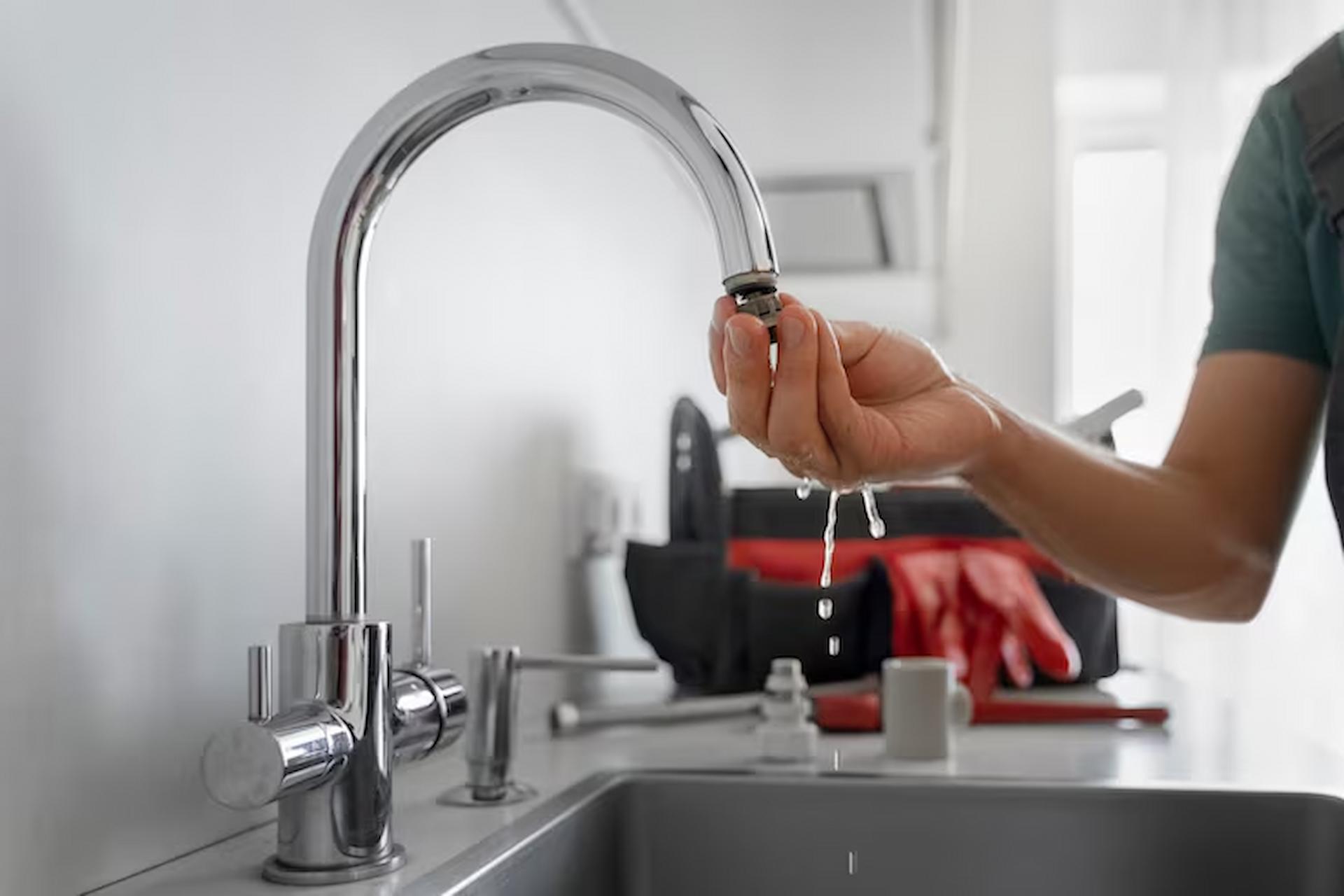
Low water pressure is one of those household issues that quietly disrupts daily routines until it becomes impossible to ignore. Simple tasks like showering, washing dishes, or filling a kettle suddenly take longer and feel frustrating. While it may seem like a major plumbing fault, in many cases the cause is straightforward and can be identified with a structured approach.
Understanding the cause of weak water flow is the first step towards restoring normal pressure and preventing future disruptions. In most homes, the issue stems from either internal plumbing conditions or external supply factors. Once the source is clear, the right solution becomes much easier to apply.
Common Causes of Low Water Pressure
Low water pressure can originate from several different issues, and identifying the root cause is essential before attempting any repairs.
1. Clogged or Blocked Pipes
Over time, pipes can accumulate debris, rust, and mineral deposits. This gradually restricts water flow and reduces pressure across taps and showers. Homes with older plumbing systems are particularly vulnerable to internal buildup.
2. Limescale and Mineral Deposits
In areas with hard water, calcium and magnesium deposits can form inside pipes and fixtures. This narrows the water passage and leads to noticeably weaker flow, especially in showerheads and faucets.
3. Leaks in the Plumbing System
Even a small hidden leak can significantly reduce water pressure. When water escapes before reaching fixtures, the overall flow weakens. Signs may include damp patches, unusually high water bills, or reduced pressure across multiple outlets.
4. Faulty Pressure Regulator
Many homes are fitted with a pressure-reducing valve to maintain safe water flow. If this component fails or becomes misadjusted, it can restrict pressure throughout the entire property.
5. Municipal Supply Issues
Sometimes the problem is external. Maintenance work, pipeline damage, or general supply fluctuations from the local water authority can temporarily reduce pressure in your area.
How to Diagnose the Problem
Before attempting any fixes, it is important to determine whether the issue affects the whole house or just specific fixtures.
Key checks to perform:
- Test multiple taps and showers throughout the home
- Compare hot and cold water pressure
- Check if neighbors are experiencing similar issues
- Inspect visible pipes for leaks or moisture
- Clean faucet aerators and showerheads
If only one fixture is affected, the issue is likely localized. If all outlets show weak flow, the cause is usually within the main supply line or pressure system.
Practical Solutions to Restore Water Pressure
Once the cause has been identified, several practical solutions can help restore proper flow.
1. Clean Fixtures and Showerheads
Mineral buildup is one of the easiest problems to fix. Soaking showerheads and aerators in vinegar can dissolve deposits and improve water flow.
2. Flush the Plumbing System
In some cases, flushing the system helps remove debris that may be restricting pipes. This is often done during routine maintenance or after repairs.
3. Repair Hidden Leaks
If a leak is suspected, prompt repair is essential. Even minor leaks reduce efficiency and can lead to long-term structural damage if ignored.
4. Adjust or Replace Pressure Regulators
A malfunctioning pressure regulator should be inspected and adjusted by a qualified plumber. If faulty, replacement is often the most effective solution.
5. Upgrade Old or Corroded Pipes
In older homes, corroded pipes may need partial or full replacement. Modern piping materials offer improved durability and better long-term water flow.
Preventing Future Water Pressure Issues
Preventative maintenance plays a key role in avoiding recurring pressure problems.
- Regularly clean taps and shower fittings
- Schedule periodic plumbing inspections
- Install a water softener in hard water areas
- Monitor water bills for unusual increases
- Address small leaks immediately
Consistent maintenance not only supports stable water pressure but also extends the lifespan of the entire plumbing system.
Wrapping Up
Low water pressure is rarely caused by a single factor. It is often the result of a gradual buildup, minor system faults, or variations in the external supply. By systematically identifying whether the issue is localized or widespread, homeowners can apply the correct solution without unnecessary guesswork.
From cleaning fixtures and fixing leaks to maintaining pressure regulators and upgrading aging pipes, most solutions are practical and highly effective when addressed early. With regular maintenance and timely intervention, consistent water flow can be restored and maintained, ensuring a more reliable and efficient home plumbing system.
 Mike Wilson