
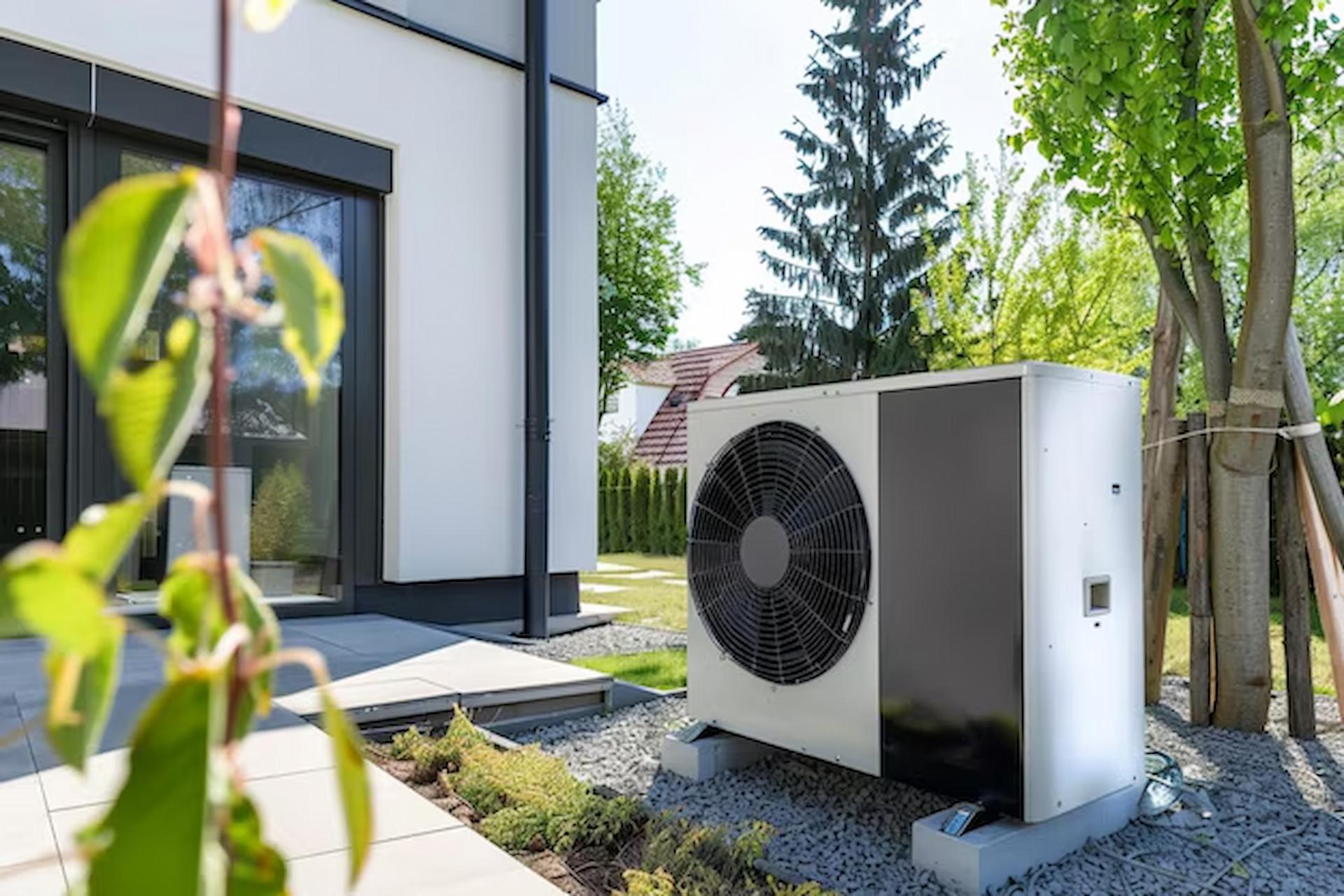
Modern homeowners are placing greater focus on energy efficiency, comfort, and long-term savings when choosing heating and cooling systems. Heat pumps have become an increasingly popular solution because they combine heating and air conditioning into one efficient system. Rather than generating heat in the traditional way, heat pumps transfer heat from one place to another, allowing homes to stay comfortable year-round while using less energy.
As energy costs continue to rise and sustainability becomes more important, many households are exploring alternatives to conventional furnaces and air conditioners. Heat pumps offer a practical balance between performance, efficiency, and convenience, making them a strong option for modern living spaces.
How Heat Pumps Work
Heat pumps operate by transferring heat instead of creating it through combustion. During colder months, the system extracts heat from the outdoor air and moves it indoors. In warmer weather, the process reverses, removing heat from inside the home and releasing it outdoors.
This dual-purpose design allows a single system to handle both heating and cooling needs efficiently. Even in cooler temperatures, modern heat pumps can still capture heat from the outside air and maintain indoor comfort.
Because the system moves heat rather than producing it directly, it typically uses less electricity than traditional heating systems. This approach improves efficiency while helping homeowners lower energy consumption over time.
Energy Efficiency and Lower Utility Bills
One of the biggest advantages of heat pumps is their energy efficiency. Traditional heating systems often consume large amounts of fuel or electricity to generate heat. Heat pumps use significantly less energy because they transfer existing heat rather than generate it.
This efficiency can lead to noticeable reductions in monthly utility costs, especially in homes that rely heavily on heating and cooling year-round. Many modern systems also include variable-speed technology, allowing them to adjust their output based on indoor conditions rather than running at full power.
Over time, these savings can help offset the initial installation cost while creating a more cost-effective home climate system.
Year-Round Indoor Comfort
Heat pumps provide balanced and steady comfort throughout every season. Unlike some traditional HVAC systems that create sudden temperature swings, heat pumps are designed to maintain more consistent indoor conditions.
Many systems also improve humidity control during warmer months, helping rooms feel cooler and more comfortable without excessive use of air conditioning. This balanced climate control can make living spaces feel more pleasant while reducing unnecessary energy use.
Because one system handles both heating and cooling, homeowners also benefit from simpler operation and easier temperature management throughout the year.
Environmentally Friendly Heating and Cooling
Energy efficiency is closely connected to environmental impact. Since heat pumps use less energy than many conventional systems, they can help reduce household carbon emissions.
Homes using electric heat pumps may also integrate more easily with renewable energy sources such as solar panels. As electricity grids continue shifting toward cleaner energy production, heat pumps may become even more environmentally beneficial over time.
For homeowners looking to create a more sustainable household, heat pumps offer an effective way to reduce energy waste without sacrificing comfort.
Heat Pumps Compared to Traditional HVAC Systems
Heat pumps differ from traditional furnaces and air conditioners in several important ways. Conventional systems usually require separate units for heating and cooling, whereas heat pumps combine both functions into a single system.
Some key differences include:
| Feature | Heat Pump | Traditional HVAC |
| Heating & Cooling | Combined system | Separate systems |
| Energy Efficiency | Higher efficiency | Often lower efficiency |
| Fuel Requirement | Electricity | Gas, oil, or electricity |
| Indoor Comfort | More consistent | Can fluctuate |
| Environmental Impact | Lower emissions | Higher emissions |
While every home has different needs, many homeowners appreciate the flexibility and simplified maintenance that heat pumps provide.
Climate Considerations and Performance
Heat pumps perform especially well in moderate climates, but advances in technology have improved performance in colder regions as well. Modern cold-climate heat pumps are designed to operate efficiently even during low outdoor temperatures.
However, climate suitability still matters when selecting a system. In extremely cold conditions, some homes may benefit from supplemental heating during severe winter weather.
Working with experienced HVAC professionals helps ensure the system is correctly sized and installed for local climate conditions, home layout, insulation quality, and energy needs.
Installation Costs and Long-Term Value
Initial installation costs for heat pumps can sometimes be higher than those of traditional systems. Factors such as home size, ductwork requirements, insulation, and system type all influence pricing.
Although upfront costs may seem significant, many homeowners view heat pumps as a long-term investment due to their energy savings and lower operating costs. In some areas, rebates, incentives, or energy-efficiency programs may also help reduce installation costs.
Over time, these benefits can make heat pumps a financially practical solution for many households.
Why Heat Pumps Continue to Grow in Popularity
Heat pumps appeal to homeowners because they combine efficiency, flexibility, and comfort into one system. As energy awareness grows, more households are searching for practical ways to reduce utility costs without compromising indoor comfort.
Their ability to provide reliable heating and cooling, lower energy consumption, and support environmentally conscious living makes them well-suited for modern homes. Continued improvements in heat pump technology are also making these systems more effective across a wider range of climates and housing styles.
For homeowners planning long-term energy upgrades, heat pumps offer a smart and adaptable solution that aligns with both comfort goals and sustainability priorities.
FAQs
Are heat pumps energy efficient?
Yes. Heat pumps are highly energy-efficient because they transfer heat rather than generate it directly, helping reduce electricity use and lower utility costs.
Can a heat pump both heat and cool a home?
Yes. Heat pumps provide both heating and cooling through a single system, making them a versatile year-round climate-control solution.
Do heat pumps work in cold weather?
Yes. Modern cold-climate heat pumps can operate efficiently in low temperatures, although extremely cold regions may sometimes require supplemental heating.
Are heat pumps environmentally friendly?
Yes. Heat pumps use less energy than many traditional HVAC systems, which can reduce household carbon emissions and energy waste.
In Conclusion
Heat pumps have become one of the most practical and energy-efficient solutions for modern home comfort. By combining heating and cooling into a single system, they simplify climate control while helping homeowners reduce energy consumption and lower monthly utility costs. Their ability to deliver steady indoor temperatures, improve efficiency, and support environmentally conscious living makes them an increasingly attractive alternative to traditional HVAC systems.
As technology continues to improve, heat pumps are becoming more effective across a wider range of climates and household needs. Whether the goal is long-term savings, improved comfort, or a more sustainable home, heat pumps offer a flexible solution that balances performance with efficiency. For many homeowners, investing in a heat pump is not only a smart upgrade for today but also a practical step toward more efficient and comfortable living in the future.