
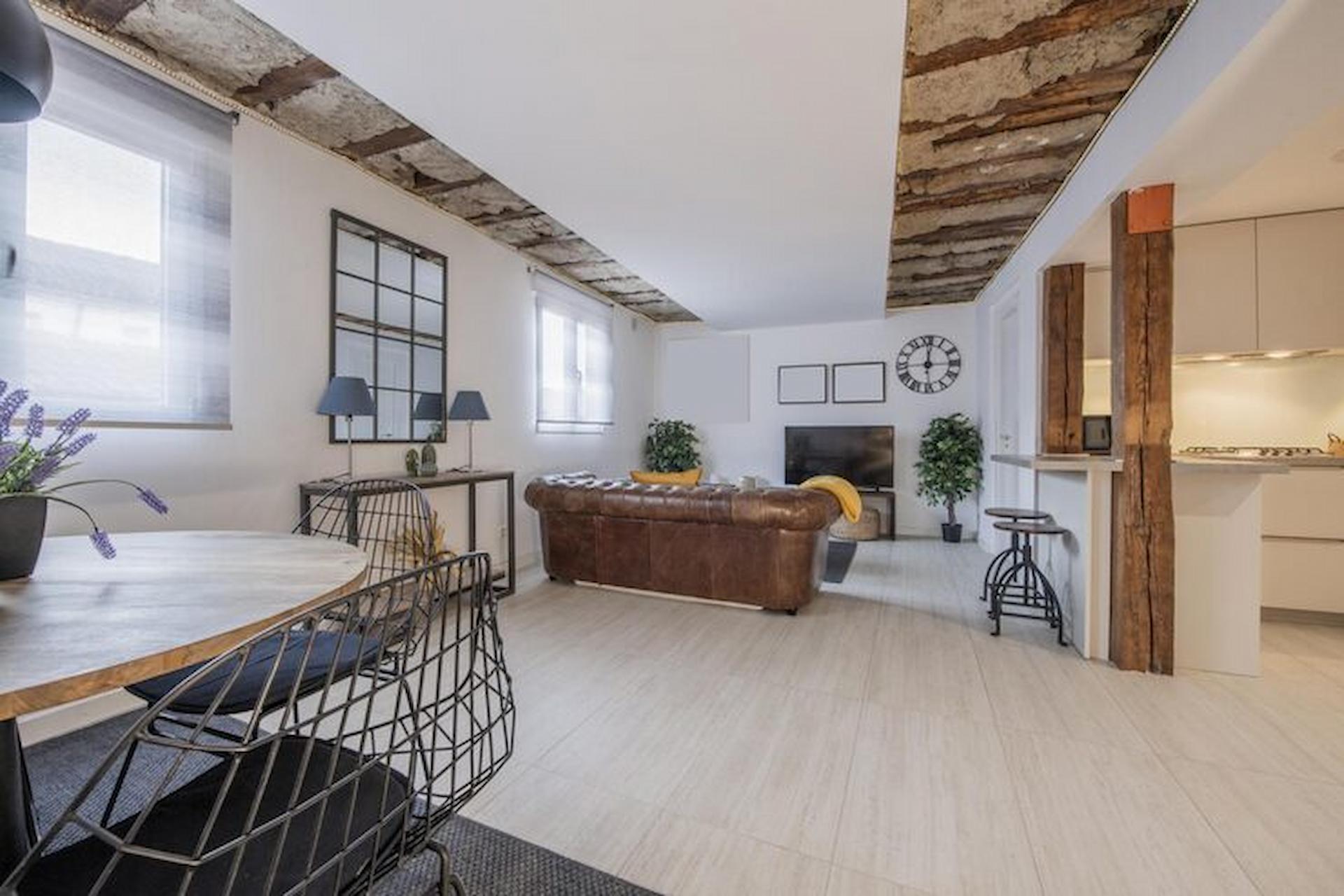
Many homeowners overlook the basement when thinking about usable living space. In reality, an unfinished basement often holds enormous potential for improving comfort, functionality, and long-term property value. As families need more flexible living areas for work, entertainment, fitness, and storage, finishing basements has become one of the most practical home improvement projects.
A well-designed basement can completely change how a home functions. Instead of remaining a dark storage area filled with unused items, the space can become a comfortable extension of the main living area. From home offices and guest bedrooms to entertainment rooms and rental suites, finished basements offer opportunities to adapt homes to changing lifestyles without the need for costly additions.
Why Basement Finishing Continues to Grow in Popularity
Modern homeowners are placing greater importance on flexible living spaces. Remote work, multigenerational living, home fitness, and rising property prices have all increased demand for practical interior space.
Finishing a basement allows homeowners to expand usable square footage without altering the exterior structure of the property. Compared to major home extensions, basement renovations are often more cost-effective while still significantly improving everyday functionality.
Popular reasons homeowners finish basements include:
- Creating private home offices
- Building entertainment or media rooms
- Adding guest accommodation
- Designing fitness areas
- Improving organised storage
- Generating rental income opportunities
The flexibility of basement spaces makes them valuable across many stages of life and homeownership.
Planning the Basement Layout Carefully
One of the most important parts of any basement renovation is thoughtful layout planning. Unlike upper floors, basements often contain structural columns, utility areas, ductwork, and limited natural light, all of which influence how the space should be designed.
Before beginning construction, homeowners should consider:
- Ceiling height limitations
- Window placement and natural light
- Electrical and plumbing access
- Heating and cooling requirements
- Traffic flow between zones
- Storage integration
A well-planned layout prevents the finished basement from feeling cramped or disconnected from the rest of the home.
Home Office Basements Create Quiet Workspaces
Remote and hybrid work have made home offices more important than ever. Basements naturally offer privacy and separation from busier household areas, making them ideal for focused work environments.
Practical basement office features often include:
- Built-in shelving and storage
- Sound insulation for quiet working
- Adjustable task lighting
- Neutral calming colours
- Ergonomic seating and desks
Adding soft textures, area rugs, and warm lighting can also prevent basement offices from feeling cold or overly utilitarian.
Entertainment Rooms Add Everyday Comfort
Entertainment rooms remain among the most popular basement finishing ideas because basements naturally lend themselves to relaxed social spaces. Lower-level rooms often feel quieter and darker, making them ideal for home theatres, gaming rooms, or family lounges.
Features commonly included in basement entertainment spaces include:
- Large sectional seating
- Wall-mounted televisions or projectors
- Surround sound systems
- Built-in media storage
- Snack or beverage stations
Adding softer textures and warm finishes helps balance the darker nature of basement environments while making the space feel more connected to the rest of the home.
Guest Bedrooms and Rental Suites Increase Flexibility
Finished basements can also provide valuable accommodation space for guests, older children, or extended family members. In some homes, basements are even converted into legal rental suites that generate additional income.
Important considerations for basement bedrooms include:
- Emergency egress windows
- Adequate ventilation
- Soundproofing between floors
- Comfortable lighting
- Temperature regulation
Well-designed basement guest spaces can feel just as welcoming and functional as upper-level bedrooms when planned carefully.
Moisture Control Is Essential for Long-Term Success
Moisture remains one of the biggest concerns in basement renovations. Without proper waterproofing and humidity management, finished basements may develop mould, odors, or material damage over time.
Effective moisture prevention often includes:
- Waterproof wall treatments
- Sump pumps were needed
- Vapour barriers
- Proper exterior drainage
- Dehumidification systems
Controlling humidity levels helps protect flooring and furniture, improve air quality, and enhance overall comfort throughout the year.
Basement Lighting Makes a Huge Difference
Lighting strongly influences whether a basement feels welcoming or gloomy. Since many basements have limited natural light, layered artificial lighting becomes extremely important.
Popular basement lighting solutions include:
- Recessed ceiling lights
- Wall sconces
- Floor lamps
- LED strip lighting
- Under-shelf lighting
Lighter wall colors and reflective surfaces also help distribute light more effectively throughout the space.
Choosing the Right Basement Flooring
Basement flooring should balance comfort, durability, and moisture resistance. Traditional hardwood flooring may not always perform well in lower-level environments where humidity fluctuates more frequently.
Many homeowners choose flooring materials designed specifically for basements because they handle moisture more effectively while still providing warmth and visual appeal.
Popular basement flooring options include:
- Luxury vinyl plank flooring
- Engineered wood
- Moisture-resistant laminate
- Carpet tiles
- Polished concrete with area rugs
Warmer flooring finishes combined with rugs and soft textiles help basements feel more comfortable and less industrial.
Ventilation and Insulation Improve Comfort Year-Round
Basements naturally feel cooler than upper floors because they are partially below ground level. Proper insulation and ventilation are essential for maintaining comfortable temperatures and healthy airflow.
Good insulation improves energy efficiency while reducing drafts and temperature inconsistencies. Ventilation systems help circulate fresh air and prevent stale or humid conditions.
Important comfort upgrades often include:
- Insulated exterior walls
- Ceiling soundproofing
- HVAC extensions
- Air circulation fans
- Energy-efficient windows
When these systems work together properly, basements feel more like natural living spaces rather than separate lower-level areas.
Conclusion
Basement finishing offers homeowners one of the most practical ways to increase usable living space while improving comfort, flexibility, and long-term property value. With thoughtful planning and proper construction, underused basements can become some of the most functional and enjoyable areas in the home.
Whether designed as home offices, entertainment rooms, guest suites, gyms, or family lounges, finished basements provide adaptable spaces that evolve alongside changing lifestyles and household needs. The key to success lies in balancing design inspiration with practical considerations such as moisture control, lighting, insulation, and ventilation.
 Elina Smith