
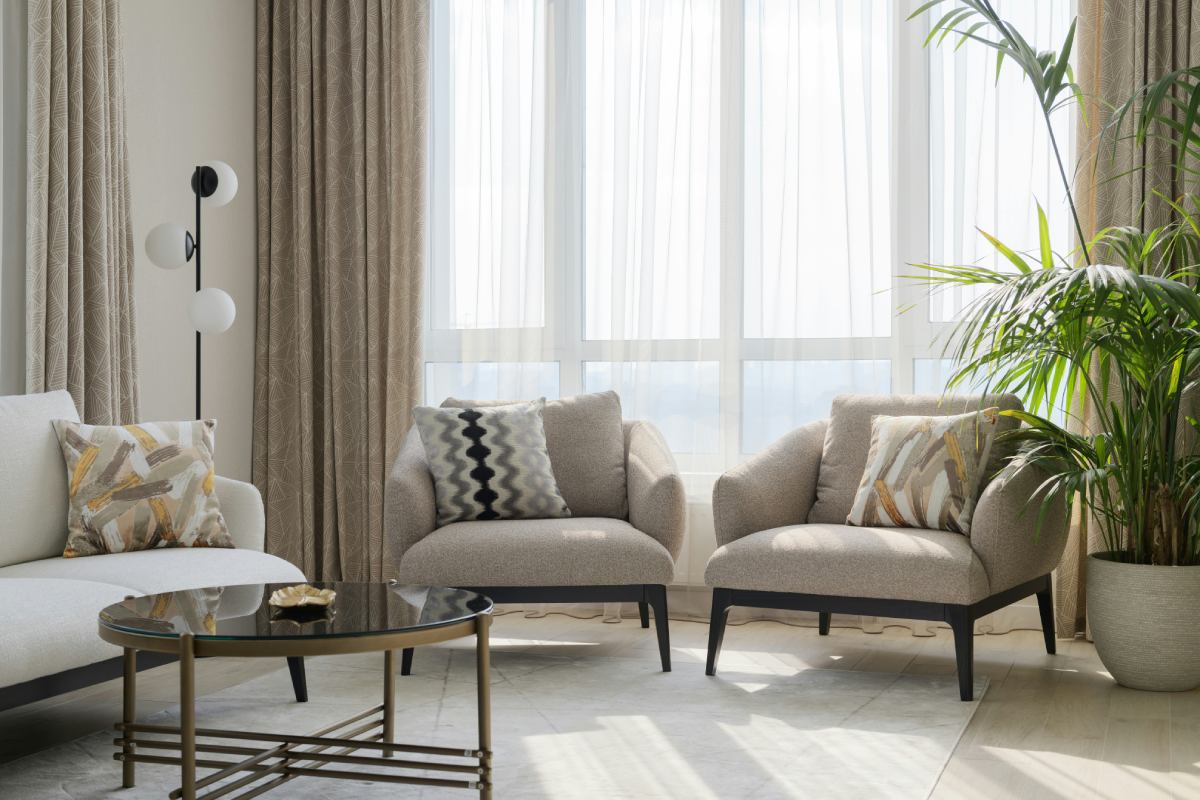
Improving your home isn’t just about making it look better—it’s about enhancing how it functions, feels, and holds value over time. Thoughtful upgrades can make everyday living more comfortable while also increasing long-term appeal. The key is to focus on practical improvements that deliver meaningful results rather than chasing trends that quickly fade.
Whether you’re planning to stay for years or considering future resale, making smart, well-considered changes can help you get the most out of your space. A balanced approach ensures your home remains both livable and valuable.
Focus on Function Before Aesthetics
One of the most effective ways to add real value is to improve how your home functions on a daily basis. While visual upgrades are important, functionality should always come first.
Start by identifying areas that feel inconvenient or inefficient. This might include poor storage, awkward layouts, or outdated fixtures. Addressing these issues improves usability and makes the space more appealing overall.
For example, adding built-in storage or optimizing kitchen layouts can significantly enhance daily routines. When a home functions well, it naturally feels more comfortable and organized.
Upgrade Key Areas That Matter Most
Not all improvements carry the same impact. Certain areas of the home tend to offer higher returns in both comfort and value.
Focus on spaces such as:
- Kitchens: Updating cabinets, countertops, or appliances can make a noticeable difference
- Bathrooms: Simple upgrades like modern fixtures or improved lighting enhance both style and usability
- Living areas: Open, well-arranged spaces feel more inviting and practical
You don’t always need a full renovation. Even small updates in these areas can make a strong impression and improve everyday life.
Improve Lighting for Better Living
Lighting plays a crucial role in how a home looks and feels. A well-lit space appears larger, cleaner, and more welcoming.
Consider layering different types of lighting:
- Ambient lighting for general brightness
- Task lighting for specific activities
- Accent lighting to highlight design features
Natural light is equally important. Maximizing daylight by using lighter window treatments or rearranging furniture can make rooms feel more open and comfortable.
Improved lighting is a relatively simple upgrade that delivers immediate and lasting benefits.
Enhance Energy Efficiency
Energy-efficient improvements not only reduce utility costs but also increase the long-term value of your home. These upgrades are practical and appealing to future buyers.
Simple ways to improve efficiency include:
- Sealing gaps around doors and windows
- Installing energy-efficient lighting
- Upgrading insulation where needed
More advanced options, such as energy-efficient appliances or smart thermostats, can further enhance performance. These changes contribute to a more sustainable and cost-effective home.
Refresh Surfaces and Finishes
Over time, surfaces can show signs of wear, making a home feel outdated. Refreshing these elements can significantly improve overall appearance without requiring major work.
Consider repainting walls in neutral tones to create a clean and modern base. Updating flooring, refinishing cabinets, or replacing worn-out materials can also make a noticeable difference.
Neutral finishes tend to appeal to a wider audience and provide flexibility for future design changes.
Improve Storage Solutions
A lack of storage can quickly make even a well-designed home feel cluttered. Adding or optimizing storage is a practical improvement that enhances both functionality and value.
Look for opportunities to:
- Install built-in shelves or cabinets
- Use underutilized spaces effectively
- Add multifunctional furniture with hidden storage
Well-planned storage helps maintain a clean, organized environment, which contributes to a more comfortable living experience.
Pay Attention to Exterior Appeal
The exterior of your home creates the first impression. Simple improvements outside can have a strong impact on overall value.
Basic updates such as maintaining landscaping, repainting the front door, or improving outdoor lighting can enhance curb appeal. Keeping pathways clean and ensuring the exterior is well maintained also contribute to the overall impression.
These changes are often cost-effective but can significantly improve how the property is perceived.
Maintain Consistency Throughout the Home
Consistency in design and materials helps create a cohesive and polished look. When different areas of the home feel disconnected, it can reduce the overall appeal.
Stick to a unified color palette and coordinate finishes across rooms. This doesn’t mean everything has to match exactly, but there should be a clear sense of continuity.
A consistent approach makes the home feel more thoughtfully designed and easier to navigate.
Avoid Over-Improving
While it’s important to invest in your home, over-improving can sometimes lead to unnecessary costs without proportional returns. Focus on upgrades that align with the style and scale of your property.
Avoid adding features that don’t fit the overall character of the home or the surrounding area. Instead, prioritize improvements that enhance functionality, comfort, and broad appeal.
Taking a measured approach ensures your efforts remain practical and effective.
Wrapping Up
Practical home improvement is about making smart choices that enhance both daily living and long-term value. By focusing on functionality, key upgrades, energy efficiency, and thoughtful design, you can create a home that feels comfortable and performs well over time.
Small, intentional changes often deliver the greatest impact. With a clear plan and attention to detail, it’s possible to improve your home in ways that are both meaningful and lasting.
 Elina Smith