
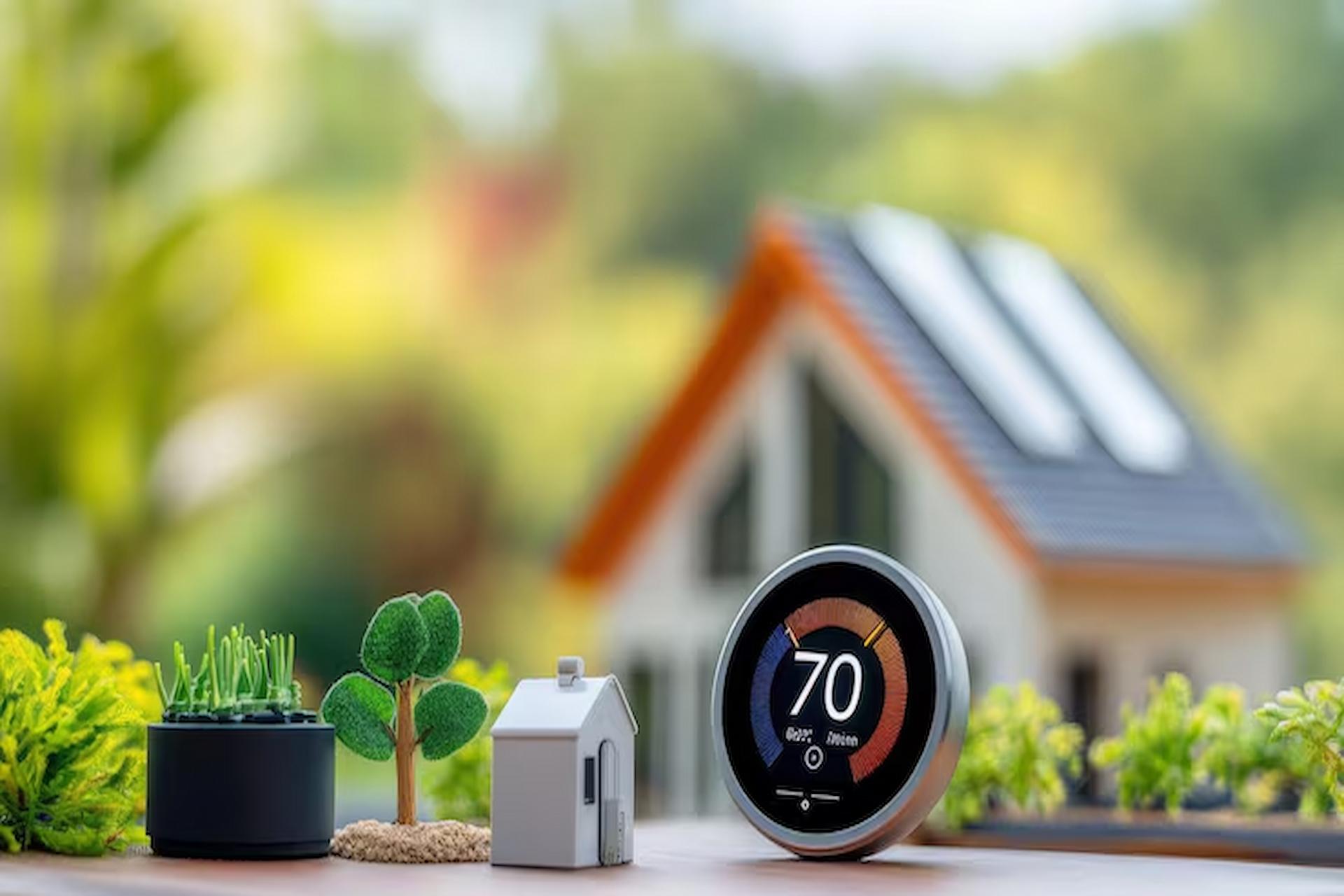
Smart thermostats simplify home temperature control by learning your routine and adjusting automatically for comfort and efficiency. They reduce energy waste, lower utility bills, and offer remote control via apps. With smart automation and energy insights, they help create a more comfortable, cost-efficient, and modern living environment.
Introduction
Smart thermostats are becoming a standard feature in modern homes, not because they are trendy, but because they solve a very real problem—energy waste. Traditional heating and cooling systems often run on fixed schedules or manual adjustments, which rarely match how people actually live. As a result, rooms are either overheated, overcooled, or conditioned when no one is home.
A smart thermostat changes this pattern by introducing automation, learning capabilities, and remote control. It helps maintain a balanced indoor environment while reducing unnecessary energy consumption. Over time, this leads to improved comfort and more efficient utility usage without requiring constant manual input.
What Is a Smart Thermostat and How It Works
A smart thermostat is an advanced temperature control device that connects to your home’s heating and cooling system and the internet. Unlike traditional thermostats, it does more than maintain a set temperature—it adapts to your behaviour.
It typically works by:
- Learning daily routines such as when you wake up, leave home, and return
- Adjusting temperature settings automatically based on patterns
- Allowing remote control through mobile apps
- Using sensors to detect occupancy or room activity
Many models also use weather data and energy usage insights to fine-tune performance, ensuring your home stays comfortable without overusing energy.
Key Benefits of Smart Thermostats
1. Improved Energy Efficiency
One of the strongest advantages is reduced energy consumption. Heating and cooling account for a significant portion of household energy use. A smart thermostat reduces waste by avoiding unnecessary operation when the home is empty or when natural temperature conditions are favourable.
2. Consistent Indoor Comfort
Instead of sharp temperature changes, smart systems maintain steady comfort levels. They adjust gradually, reducing the discomfort of overheating or overcooling.
3. Lower Utility Costs
By optimising energy use, households often see a noticeable reduction in electricity or gas bills over time. The savings may vary, but efficiency improvements are consistent.
4. Convenience and Automation
Manual adjustments become minimal. Once set up, the system manages most temperature decisions automatically, making daily routines simpler.
Installation and Setup Considerations
Installing a smart thermostat is usually straightforward, but there are a few important factors to consider before choosing a model.
- System compatibility: Ensure it works with your heating and cooling setup
- Wiring requirements: Some homes may need professional installation
- Wi-Fi stability: A reliable connection is essential for full functionality
- Placement: Install in a central location away from direct heat or sunlight
Once installed, initial setup typically involves connecting to a mobile app and entering basic household routines.
Smart Features That Improve Efficiency
Modern smart thermostats come with features designed to optimise performance without constant user input.
Scheduling and Learning Mode
The device can learn when you are usually at home and automatically adjust temperatures accordingly.
Remote Access
You can control your home’s temperature from anywhere using a smartphone, which is useful if plans change unexpectedly.
Energy Usage Reports
Many systems provide weekly or monthly insights showing how much energy is being used and when, helping identify opportunities for improvement.
Geofencing
Some thermostats detect when you leave or approach home using your phone’s location and adjust settings automatically.
Smart Home Integration
They can connect with other systems such as voice assistants or home automation platforms for seamless control.
Practical Tips to Get the Most Out of Your Smart Thermostat
To maximise efficiency, a few simple habits make a noticeable difference:
- Avoid frequent manual overrides so the system can learn accurately
- Set realistic temperature ranges rather than extreme adjustments
- Use eco or away modes when travelling
- Review energy reports regularly to understand usage patterns
- Keep sensors and devices updated for accurate performance
Small adjustments like these ensure the system works intelligently rather than reactively.
FAQs
What is a smart thermostat used for?
A smart thermostat is used to automatically control home heating and cooling. It learns user behaviour, adjusts temperatures efficiently, and can be controlled remotely through mobile apps for improved comfort and energy savings.
Do smart thermostats really save energy?
Yes, smart thermostats help reduce energy use by avoiding unnecessary heating or cooling. They optimise temperature settings based on occupancy and routines, which can lead to noticeable reductions in utility bills over time.
Is professional installation required?
Not always. Many smart thermostats are designed for DIY installation, but some systems may require professional setup depending on wiring complexity and compatibility with existing HVAC systems.
Can I control a smart thermostat when I am away?
Yes, most smart thermostats offer remote access through mobile applications. This allows users to adjust temperature settings from anywhere using an internet connection.
Are smart thermostats compatible with all homes?
Most modern homes are compatible, but not all systems support every model. It is important to check compatibility with your heating and cooling setup before purchasing.
Last Words
Smart thermostats represent a practical shift in how homes manage energy and comfort. They combine automation, learning capability, and real-time control to create a more efficient indoor environment. Rather than relying on constant manual adjustments, they adapt to daily life patterns, reducing waste and improving consistency.
For homeowners looking to improve energy efficiency without major renovations, this technology offers a balanced solution. It supports long-term savings, enhances comfort, and simplifies temperature management in a way that aligns with modern living.
 Mike Wilson