
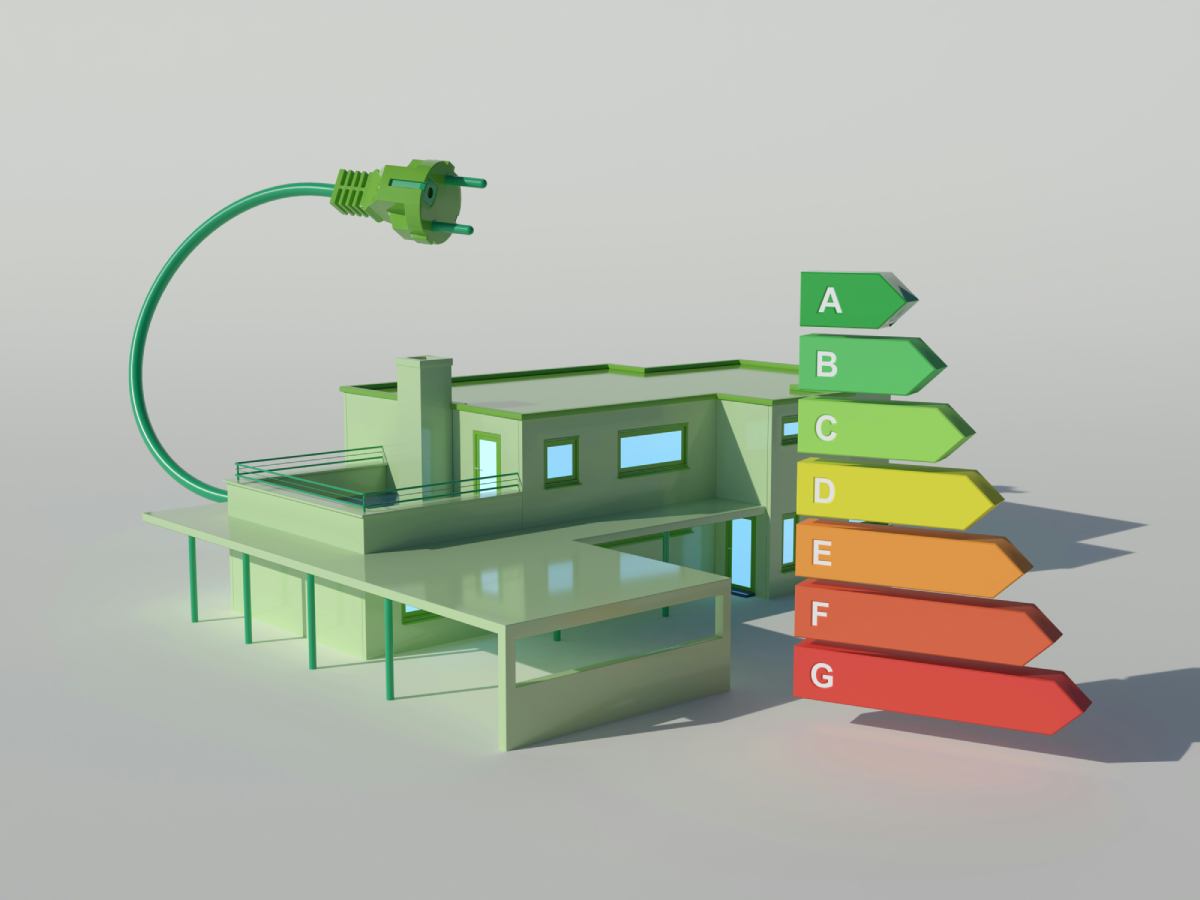
In an era where environmental consciousness meets the pragmatic need to lower monthly bills, energy efficiency has transitioned from a niche hobby to a domestic priority. For many homeowners in the UK, the challenge lies not just in wanting to save energy but in knowing where to start without compromising on comfort. By implementing Smart Strategies for Enhancing Energy Efficiency, you can transform your living space into a high-performance environment that benefits both the planet and your bank balance.
Efficiency isn’t merely about switching off lights; it is a holistic approach to how a building breathes, heats, and consumes. From the insulation in your loft to the intelligence of your thermostat, every component plays a role in the “thermal envelope” of your property.
Strengthening the Thermal Envelope
Before investing in high-tech gadgets, it is essential to address the fundamentals: heat retention. In the UK, a significant portion of domestic energy is wasted through poor insulation and draughty apertures.
- Insulation: Statistics suggest that an uninsulated roof can lose up to 25% of a home’s heat. Upgrading loft and cavity wall insulation is one of the most effective Strategies for Enhancing Energy Efficiency, delivering a substantial return on investment by reducing heating requirements.
- Glazing: If your windows are single-paned or the seals have perished, you are essentially heating the outdoors. Double or triple glazing creates a vacuum or gas-filled buffer that significantly slows thermal transfer.
- Draught Proofing: Simple fixes like chimney balloons, letterbox brushes, and door snakes are inexpensive yet remarkably effective at preventing “cold spots” that tempt you to turn the thermostat up.
The Role of Intelligent Heating Systems
Heating accounts for the largest chunk of UK household energy expenditure. Modernizing how you manage this heat is crucial. Traditional boilers often operate on a simple “on/off” logic, which is inherently inefficient.
By integrating smart thermostats, you allow your home to learn your schedule. These devices use geofencing to lower the temperature when you leave the house and raise it just before you return. Furthermore, zoning allows you to heat only the rooms currently in use, rather than the entire property. When considering these upgrades, consulting experts can provide the technical insights needed to choose systems that integrate seamlessly with your existing infrastructure.
Lighting and Appliance Management
The transition to LED lighting is perhaps the “lowest-hanging fruit” in energy conservation. LEDs use approximately 80% less electricity than traditional incandescent bulbs and last significantly longer. However, the next step involves automation. Smart sensors that detect occupancy can ensure lights are never left on in empty hallways or garages.
Beyond lighting, pay close attention to the “energy rating” of your appliances. When the time comes to replace a washing machine or refrigerator, opting for an A-rated model might have a higher upfront cost, but the lifetime energy savings are often far greater. Remember that “vampire power”—the energy consumed by devices on standby—can account for up to 10% of a home’s electricity use. Smart plugs can be programmed to cut power entirely to these devices overnight.
Mindful Water Usage
We often forget that saving water is an energy-saving endeavor. Heating water for showers, baths, and taps requires a huge amount of gas or electricity. One of the more subtle Strategies for Enhancing Energy Efficiency at Home involves installing aerated showerheads. These reduce the volume of water used without sacrificing water pressure, meaning your boiler has less water to heat for your morning routine.
Future-Proofing with Renewable Energy
For those looking to make a long-term commitment, domestic micro-generation is the ultimate goal. Solar PV (photovoltaic) panels, combined with battery storage, allow you to capture energy during the day and use it during peak evening hours. While the initial capital expenditure is notable, the combination of energy independence and the potential to sell excess power back to the grid makes it an attractive proposition for the modern homeowner.
In Conclusion
In summary, the pursuit of a more sustainable household is a journey of both technological integration and habitual change. By focusing on the Strategies for Enhancing Energy Efficiency at Home outlined above—from securing the building’s thermal envelope to adopting intelligent heating controls—you can drastically reduce your carbon footprint while reclaiming control over your utility expenses.
The modern British home is evolving. It is no longer enough for a property to be merely a shelter; it must be an efficient, responsive system that utilizes resources with precision. Whether you are making minor adjustments, such as installing LEDs, or embarking on major upgrades with the help of resources, every step contributes to a more resilient and eco-friendly lifestyle. Ultimately, an energy-efficient home provides the best of both worlds: reduced environmental impact and significant long-term financial savings.