
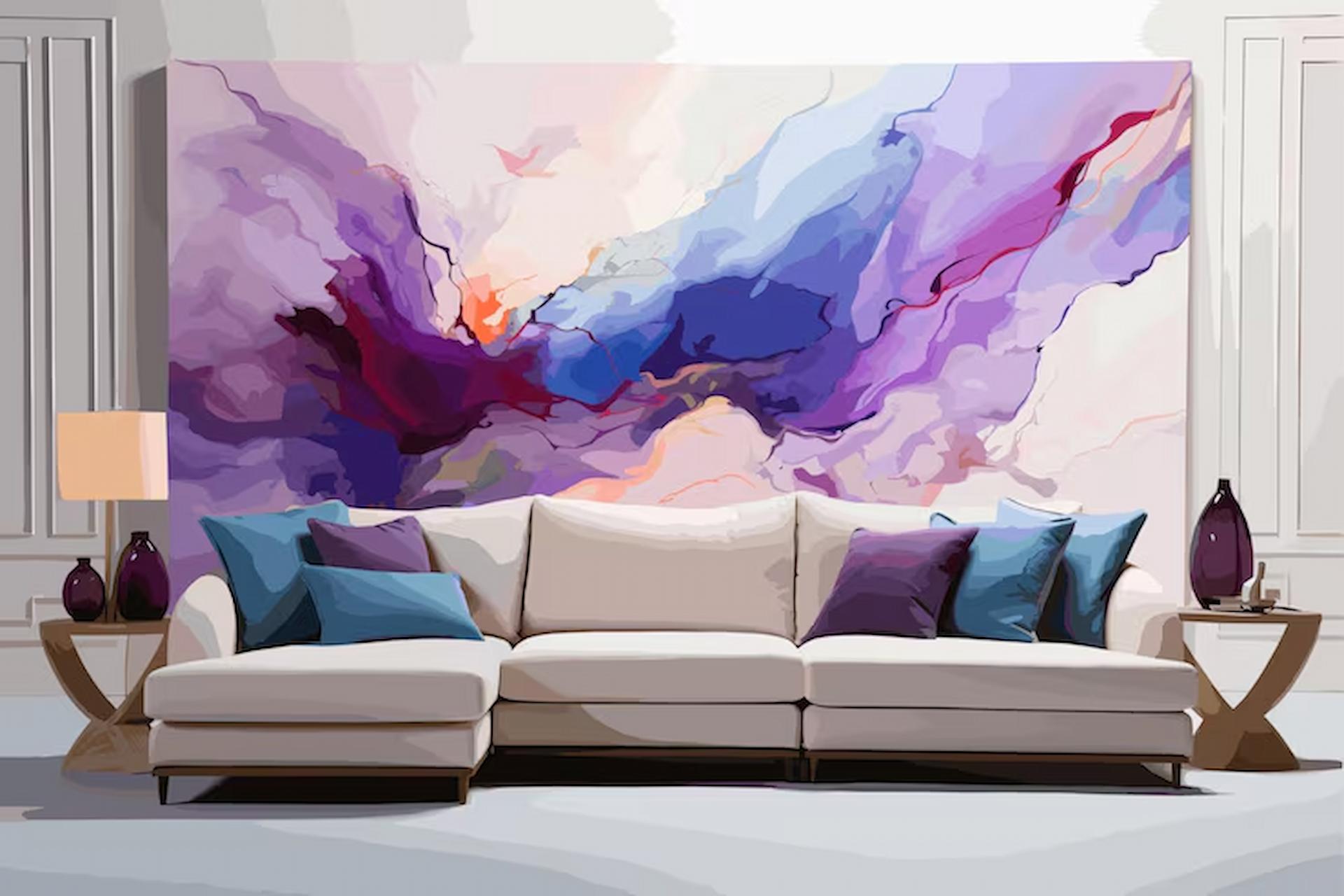
Walls do far more than divide spaces. They shape the atmosphere of a home, influence how rooms feel, and help reflect personal style in subtle but powerful ways. Thoughtfully chosen wall art can instantly make a room feel warmer, more balanced, and visually complete. Whether it is a carefully arranged gallery wall, a bold oversized canvas, or a collection of framed photographs, wall décor helps transform ordinary interiors into spaces with personality and character.
One of the reasons wall art remains so popular is its flexibility. It works in every room, suits every budget, and adapts easily to changing trends and lifestyles. A few simple updates can refresh an entire space without major renovations or expensive furniture changes. From modern minimalist interiors to cosy traditional homes, the right artwork creates visual interest while helping rooms feel more personal and inviting.
Why Wall Art Matters in Interior Design
Wall décor does more than fill empty spaces. It adds depth, colour, texture, and emotional connection to a room. Bare walls can sometimes make interiors feel unfinished or impersonal, while thoughtfully styled walls create warmth and visual balance.
Art also helps establish the tone of a room. Soft landscape photography may create a calming bedroom atmosphere, while abstract artwork with bold colours can energise a living area or home office. Even simple framed prints or decorative mirrors can influence how spacious, bright, or cohesive a room feels.
Beyond aesthetics, wall art tells a story. Family photographs, travel prints, handmade pieces, and collected artwork often reflect memories, interests, and personality in a way furniture alone cannot.
Choosing Wall Art That Fits Your Space
One of the biggest decorating mistakes is choosing artwork without considering room size, layout, or colour balance. A piece that looks beautiful in a showroom may feel too small, too busy, or out of place once brought home.
Before selecting wall décor, consider these important factors:
Room Size and Scale
Large walls generally need larger artwork or grouped arrangements to avoid looking empty. Small prints scattered across a wide wall often feel disconnected and visually weak.
Oversized artwork works especially well in:
- Living rooms
- Dining areas
- Entryways
- Above sofas or beds
Smaller rooms benefit from:
- Compact gallery walls
- Vertical arrangements
- Minimal framed prints
- Mirrors that reflect light
A useful guideline is to let artwork cover around two-thirds of the furniture width beneath it. This usually creates balanced proportions.
Colour Coordination
Wall art should complement the room rather than compete with it. That does not mean everything must match perfectly, but colours should feel connected.
For example:
- Neutral interiors benefit from bold statement artwork
- Colourful rooms often work better with simpler art
- Black-and-white photography suits modern and minimalist spaces
- Earth tones pair well with natural textures and wooden finishes
Repeating one or two colours from cushions, rugs, curtains, or furniture can help artwork feel naturally integrated into the room.
Style Consistency
Different art styles create very different moods. Choosing pieces that align with the overall interior style helps maintain cohesion throughout the home.
Common combinations include:
- Modern interiors with abstract art
- Rustic spaces with vintage prints or landscapes
- Scandinavian homes with minimalist line art
- Traditional rooms with classic framed paintings
- Bohemian interiors with layered textures and eclectic arrangements
Gallery Walls That Feel Curated Instead of Cluttered
Gallery walls remain one of the most effective ways to add personality to interiors. They allow homeowners to mix photographs, prints, artwork, mirrors, and decorative objects into one cohesive arrangement.
The key is balance. Random placement often looks messy, while carefully planned layouts feel intentional and polished.
Tips for Creating a Balanced Gallery Wall
Start With a Focal Point
Choose one larger frame or statement piece as the anchor. Build the surrounding arrangement around it to maintain structure.
Keep Spacing Consistent
Consistent gaps between frames help the arrangement feel organised. Most designers recommend spacing of roughly 2–3 inches.
Mix Sizes Carefully
Combining large and small pieces creates visual interest, but too many competing sizes can feel chaotic. Balance is more important than symmetry.
Lay It Out First
Before hanging anything, arrange the pieces on the floor to test the composition. This prevents unnecessary wall damage and helps refine spacing.
Use Common Elements
Matching frame colours, similar artwork tones, or repeated themes help tie different pieces together.
Gallery walls work especially well in hallways, staircases, living rooms, and home offices because they create layered visual interest without requiring expensive single statement pieces.
Oversized Artwork for Bold Visual Impact
Large-scale artwork continues growing in popularity because it instantly transforms a room with minimal effort. One oversized canvas or framed print can act as the centrepiece of an entire interior design scheme.
This approach works particularly well in modern and contemporary homes where clean lines and uncluttered spaces are important. Instead of filling walls with multiple small items, a single statement piece creates stronger visual focus.
Oversized wall art is especially effective:
- Above sofas
- Behind beds
- In dining rooms
- In open-plan spaces
- In high-ceiling interiors
Abstract art, landscape photography, textured canvases, and monochrome prints are common choices because they add scale without overwhelming the room.
Framed Photography and Personal Art Displays
Personal photography adds authenticity and emotional connection to a home. Unlike mass-produced décor, framed personal images create spaces that feel unique and meaningful.
Travel photography, family portraits, black-and-white prints, and candid lifestyle images work particularly well when displayed thoughtfully.
To keep personal displays elegant rather than cluttered:
- Use consistent frame styles
- Stick to a limited colour palette
- Choose high-quality print resolution
- Avoid overcrowding shelves and walls
- Mix close-up and wide-angle images for variety
Photography walls are especially popular in:
- Hallways
- Staircases
- Bedrooms
- Home offices
- Reading corners
Decorative Mirrors as Functional Wall Art
Mirrors are one of the most practical forms of wall décor because they improve both style and functionality. They reflect natural light, create the illusion of space, and help brighten darker rooms.
Large mirrors can make small rooms appear more open, while decorative framed mirrors act as artistic focal points.
Popular mirror styles include:
- Round minimalist mirrors
- Vintage gold frames
- Industrial metal designs
- Arched statement mirrors
- Sunburst decorative mirrors
Positioning matters greatly. Mirrors placed opposite windows maximise natural light, while poorly positioned mirrors may reflect clutter or harsh lighting.
Floating Shelves and Layered Wall Styling
Wall décor does not always need to hang flat against surfaces. Floating shelves introduce dimension and flexibility while allowing decorative items to change seasonally.
Layered shelf styling often includes:
- Framed artwork
- Small plants
- Candles
- Books
- Sculptural objects
- Ceramic pieces
This layered approach creates softer, more relaxed interiors compared to rigid wall arrangements.
The key is restraint. Too many objects can quickly feel crowded. Mixing different heights, textures, and shapes while leaving some empty space helps shelves feel curated rather than cluttered.
Seasonal Wall Art Updates for a Fresh Look
One of the easiest ways to refresh interiors throughout the year is by changing smaller decorative pieces. Seasonal wall styling keeps rooms feeling current without requiring complete redesigns.
Simple seasonal updates may include:
- Botanical prints during spring
- Coastal photography in summer
- Warm earth-tone artwork in autumn
- Textured or darker pieces during winter
Swapping lightweight framed prints, shelf décor, or canvas art offers flexibility while keeping interiors visually interesting year-round.
Best Wall Art Ideas for Different Rooms
Different spaces benefit from different styling approaches. Choosing art based on room function creates stronger visual harmony.
Living Room
- Oversized statement artwork
- Gallery walls
- Textured canvases
- Abstract prints
- Large mirrors
Bedroom
- Soft calming photography
- Neutral artwork
- Minimal line art
- Symmetrical framed arrangements
Dining Room
- Bold artwork
- Vintage prints
- Oversized mirrors
- Sculptural wall décor
Home Office
- Motivational artwork
- Minimalist photography
- Organised gallery displays
- Framed typography
Hallways and Entryways
- Narrow gallery walls
- Vertical arrangements
- Mirrors
- Coordinated frame collections
Common Wall Art Mistakes to Avoid
Even beautiful artwork can feel ineffective if placed incorrectly. Avoiding a few common mistakes helps create a more polished result.
Hanging Art Too High
Artwork should generally sit at eye level. Pieces hung too high disconnect visually from the furniture and room layout.
Choosing Pieces That Are Too Small
Tiny artwork on large empty walls often feels lost. Scaling art properly creates stronger visual balance.
Overcrowding Walls
Not every wall needs decoration. Empty space helps artwork stand out and prevents interiors from feeling visually overwhelming.
Ignoring Lighting
Poor lighting can reduce the impact of even the best artwork. Natural light, picture lights, or wall sconces can dramatically improve presentation.
Things You Might Ask
1. How do I choose the right size wall art for a room?
Choose artwork that fills around two-thirds of the wall or furniture width beneath it. Larger walls usually need oversized pieces or grouped arrangements for better visual balance.
2. What type of wall art works best in small rooms?
Mirrors, minimalist prints, and compact gallery walls work well in small rooms because they add personality without making the space feel crowded.
3. How high should wall art be hung?
Most artwork should be hung at eye level, with the centre positioned roughly 57–60 inches from the floor for comfortable viewing.
4. Can different art styles be mixed together?
Yes, mixed styles can work beautifully when connected through colour palettes, frame styles, themes, or balanced spacing that keeps the arrangement cohesive.
5. Are gallery walls still popular in modern interiors?
Yes, gallery walls remain highly popular because they add personality, flexibility, and visual interest while allowing homeowners to showcase personal style creatively.
Final Thoughts
Wall art plays a major role in making interiors feel complete, personal, and visually balanced. Whether through oversized statement pieces, carefully arranged gallery walls, framed photography, mirrors, or layered shelving, thoughtful wall décor adds depth and character to every room.
The most successful spaces are not necessarily the most expensive or trend-focused. They are the ones that feel intentional, comfortable, and reflective of the people living in them. By choosing artwork that fits the scale, style, and mood of a space, homeowners can create interiors that feel more inviting, expressive, and timeless.
Small changes to walls often create some of the biggest transformations in a home. With the right combination of creativity, balance, and personal style, wall art becomes far more than decoration. It becomes part of the atmosphere and identity of the space itself.