
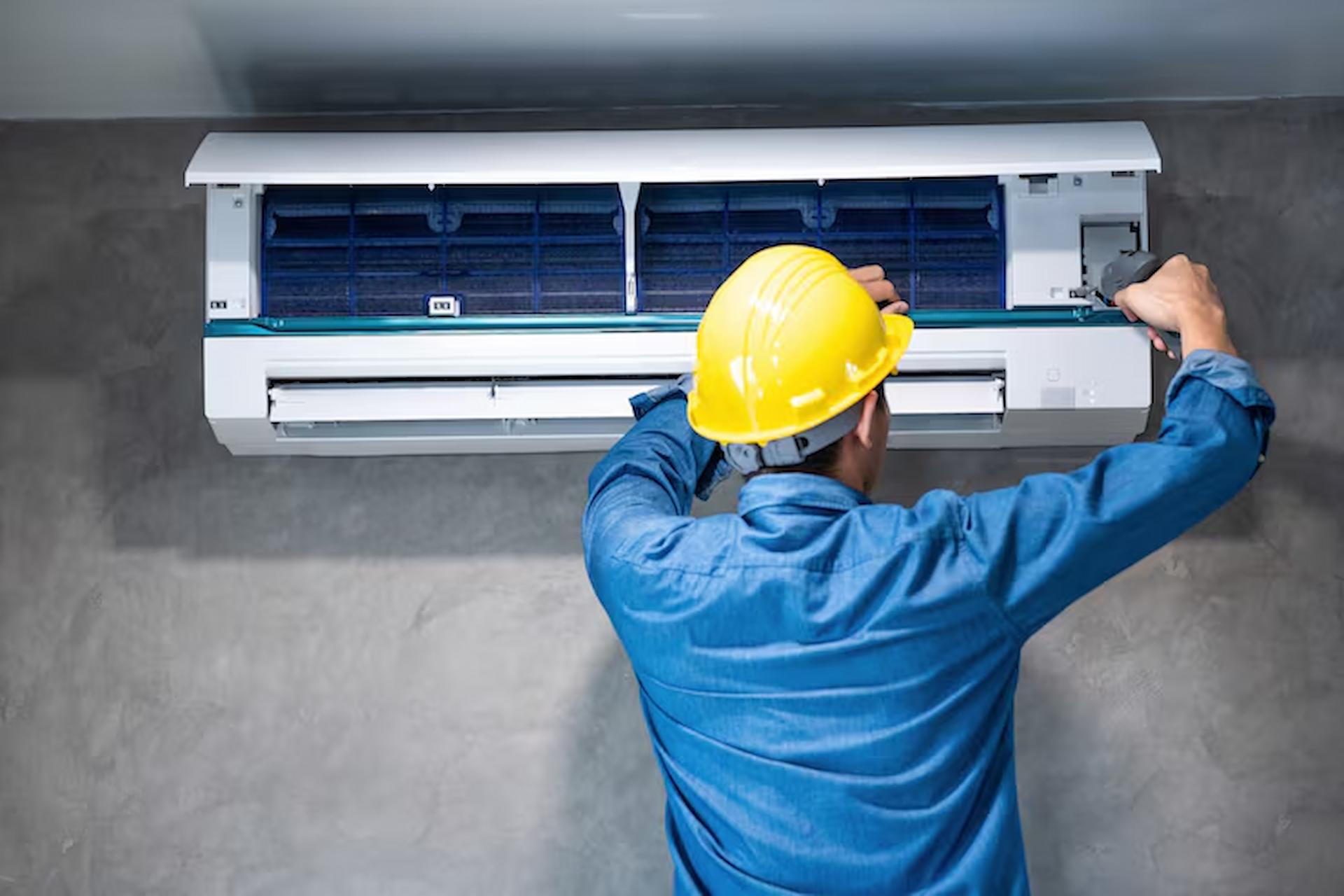
Installing a new HVAC system is one of the most important investments homeowners and business owners make when improving indoor comfort and energy performance. Heating and cooling systems influence everyday living in ways people immediately notice, from room temperature and air quality to monthly utility costs and long-term property efficiency.
A properly installed HVAC system provides consistent indoor comfort year-round while reducing unnecessary energy waste. On the other hand, poor installation decisions can lead to uneven temperatures, rising energy bills, excessive equipment wear, and costly future repairs. That is why choosing the right setup requires more than simply selecting the cheapest option or the largest system available.
Why HVAC Installation Matters So Much
An HVAC system affects almost every aspect of indoor comfort. Heating and cooling equipment regulate temperature, humidity, ventilation, and air circulation throughout the property. Because these systems operate daily, even small installation mistakes can significantly affect long-term performance.
A properly installed system works efficiently because every component is designed to operate together. The heating unit, cooling equipment, thermostat, ductwork, insulation, and ventilation system all influence overall efficiency and comfort.
Incorrect installation can create problems such as poor airflow, noisy operation, inconsistent temperatures, and excessive energy consumption. In many cases, installation quality matters just as much as the equipment itself.
Choosing the Right HVAC System for the Property
Every property has different heating and cooling requirements. System selection should always match the building’s size, layout, insulation levels, and climate conditions rather than relying on generic recommendations.
Larger homes or commercial spaces may require zoned systems or higher-capacity equipment, while smaller properties often benefit from more compact and energy-efficient solutions.
Common HVAC installation options include central air systems, heat pumps, ductless mini-splits, furnaces, and packaged systems. Each setup offers different advantages depending on the property and usage needs.
Heat pumps, for example, continue to grow in popularity because they provide both heating and cooling while operating efficiently in many climates. Ductless systems work especially well in homes without existing ductwork or in areas requiring targeted climate control.
Energy Efficiency Ratings Help Reduce Long-Term Costs
Energy efficiency has become a major consideration in modern HVAC installations because heating and cooling systems account for a large share of household and commercial energy use.
Higher-efficiency systems may involve higher upfront costs, but they often provide significant long-term savings through reduced utility bills and lower operational strain.
Common efficiency measurements include SEER ratings for air conditioners and AFUE ratings for furnaces. Systems with higher ratings generally operate more efficiently while consuming less energy.
Energy-efficient HVAC systems also offer additional benefits beyond cost savings. Many newer models operate more quietly, provide better humidity control, and support improved indoor air quality.
Ductwork Design Affects Overall System Performance
Ductwork acts as the delivery system for heated and cooled air. Even high-quality HVAC equipment may struggle to perform properly if the duct system is poorly designed or leaking.
Efficient ductwork supports balanced airflow, stable temperatures, and lower energy consumption. Poor duct design often creates hot and cold spots throughout the property while forcing the HVAC system to work harder than necessary.
Proper duct installation involves careful planning to ensure airflow reaches each room evenly and efficiently. Sealing leaks and insulating ducts also helps reduce energy waste.
Ventilation and Indoor Air Quality Matter More Than Ever
Modern HVAC systems do more than regulate temperature alone. Ventilation and indoor air quality have become increasingly important as people spend more time indoors and become more aware of airborne pollutants and allergens.
Good HVAC installation should support healthy airflow and proper ventilation throughout the property. Poor air circulation can contribute to stale indoor environments, excess humidity, and reduced comfort.
Many modern systems now include advanced filtration options, humidity controls, and air purification features designed to improve indoor air quality while maintaining comfort.
Smart Thermostats Improve Comfort and Efficiency
Smart thermostats have become a common part of modern HVAC installations because they provide better control over energy usage and indoor comfort.
Unlike traditional thermostats, smart systems learn usage habits and automatically adjust temperatures based on occupancy patterns and schedules. This improves efficiency without sacrificing comfort.
Many smart thermostats also allow remote control via mobile devices, giving homeowners and businesses greater flexibility in managing heating and cooling.
Professional Installation Protects Long-Term Performance
Even the most advanced HVAC system will not perform properly without professional installation. Improper electrical connections, refrigerant levels, airflow balancing, or duct integration can all reduce efficiency and increase the risk of future repairs.
Certified HVAC professionals follow installation standards that help ensure systems operate safely and efficiently from the beginning. Professional installation also protects manufacturer warranties, which may become invalid if systems are installed incorrectly.
Experienced technicians also identify potential issues during installation that homeowners may overlook, including ventilation concerns, insulation weaknesses, or airflow restrictions.
Wrapping Up
HVAC system installation is one of the most important decisions homeowners and businesses make when improving indoor comfort, energy efficiency, and long-term property performance. The right setup affects everything from daily temperature control to monthly utility costs and future maintenance expenses.
Successful HVAC installation depends on careful planning, proper system sizing, efficient ductwork design, and professional installation practices. By choosing systems that match the property’s specific needs, individuals can create healthier, more comfortable indoor environments while reducing long-term operational costs.
 Elina Smith