
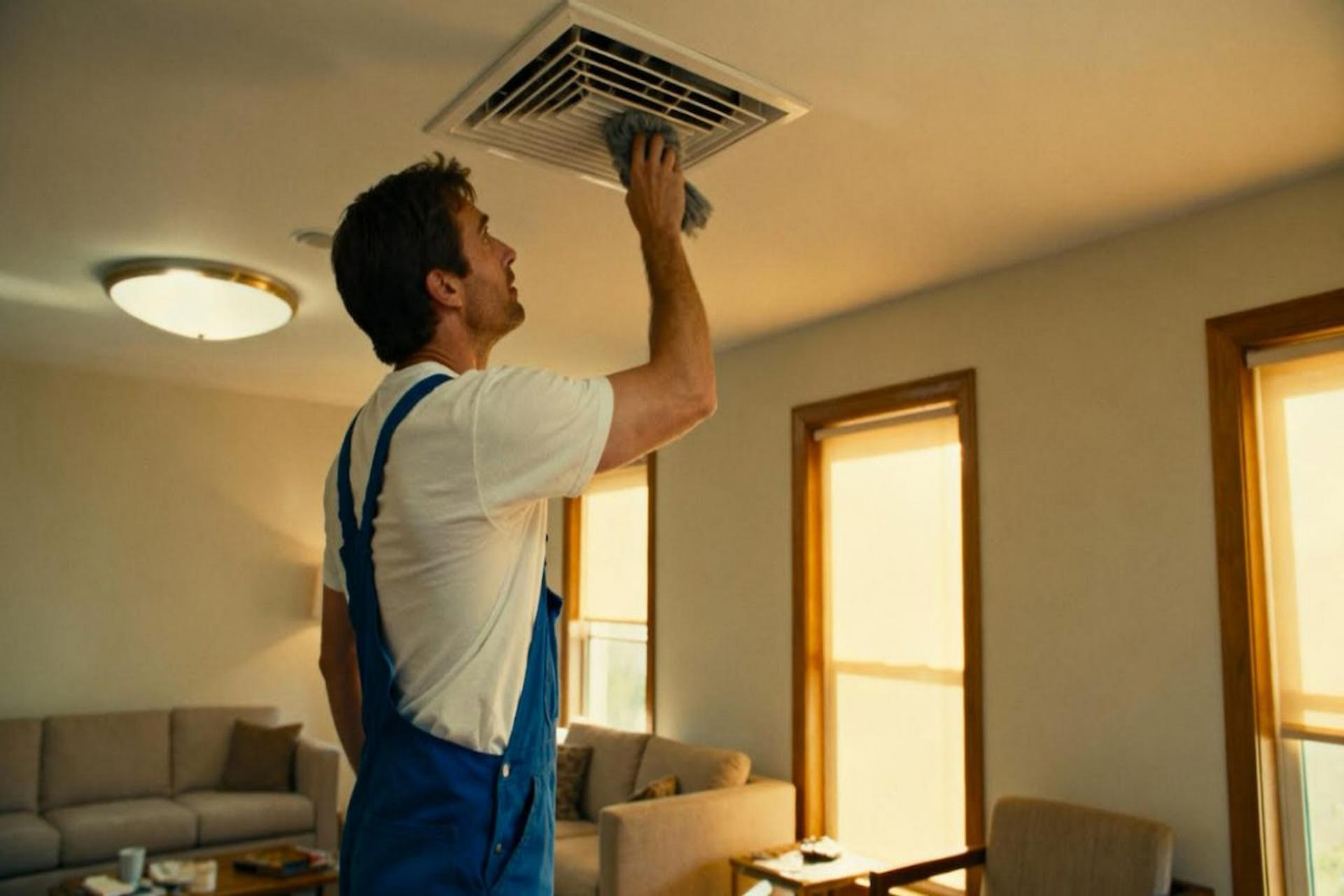
Most homeowners think about their HVAC system only when temperatures become uncomfortable. However, the condition of the ductwork hidden behind walls and ceilings plays a major role in how efficiently heating and cooling systems perform every day. Air ducts constantly circulate conditioned air throughout a home, and over time, dust, pet dander, pollen, debris, and other contaminants can collect inside the system.
When buildup becomes excessive, airflow may weaken, indoor air quality can decline, and HVAC equipment may work harder than necessary. Proper duct cleaning helps remove accumulated debris, supports healthier indoor environments, and improves overall system performance. While duct cleaning is not something every home requires annually, understanding its benefits helps homeowners make informed maintenance decisions that support comfort, cleanliness, and long-term efficiency.
How HVAC Duct Systems Affect Indoor Comfort
Your HVAC duct system acts like the respiratory system of the home. Heated or cooled air travels through the ductwork before reaching individual rooms through vents and registers. When ducts remain clean and unobstructed, air flows more evenly and efficiently throughout the property.
Over time, several contaminants may build up inside ductwork, including:
- Dust and dirt
- Pet hair and dander
- Pollen and allergens
- Construction debris
- Mould spores
- Insect or rodent debris
As these materials accumulate, airflow restrictions may begin affecting room temperatures, energy efficiency, and indoor cleanliness.
The Connection Between Duct Cleaning and Indoor Air Quality
Indoor air quality has become increasingly important as people spend more time inside their homes. Dirty duct systems can continuously circulate airborne particles throughout living spaces, especially when HVAC systems operate daily during peak heating or cooling seasons.
Duct cleaning helps reduce the circulation of contaminants that may contribute to:
- Dust accumulation on furniture
- Allergy irritation
- Respiratory discomfort
- Musty indoor odours
- Reduced indoor freshness
While duct cleaning alone does not solve every air quality issue, it can support cleaner indoor environments when combined with proper HVAC filtration, humidity control, and regular system maintenance.
Homes with pets, smokers, recent renovations, or residents with allergies often benefit the most from improved duct cleanliness.
Improving HVAC Airflow and System Performance
Restricted airflow is one of the most common issues linked to dirty duct systems. When dust and debris partially block airflow pathways, HVAC systems must work harder to maintain consistent indoor temperatures.
This extra strain may lead to:
- Uneven heating and cooling
- Longer HVAC operating cycles
- Increased wear on components
- Reduced comfort in certain rooms
- Higher utility bills
Clean ducts help air move more freely through the system, allowing heating and cooling equipment to operate more efficiently. Improved airflow consistency also helps maintain more balanced temperatures across different areas of the home.
Signs Your Ductwork May Need Cleaning
Not every HVAC system requires immediate duct cleaning. However, certain warning signs may indicate excessive buildup inside the duct system.
Common signs include:
Excessive Dust Around Vents
If dust quickly returns after cleaning or collects heavily around air registers, the duct system may contain significant debris buildup.
Musty or Stale Odours
Persistent odours coming from vents can sometimes indicate mould, mildew, or trapped contaminants inside the ductwork.
Allergy Symptoms Indoors
Increased sneezing, congestion, or respiratory irritation while indoors may point to poor indoor air circulation and airborne contaminants.
Uneven Airflow Between Rooms
Blocked or dirty ducts can reduce airflow strength, causing some rooms to feel warmer or cooler than others.
Visible Debris Inside Vents
Dust clumps, debris, or signs of mould visible near vents may suggest deeper contamination within the duct system.
How Duct Cleaning Supports Energy Efficiency
Energy efficiency depends heavily on how easily air moves through an HVAC system. When airflow restrictions increase, the system requires more energy to maintain desired temperatures.
Clean ductwork supports efficiency by:
- Reducing airflow resistance
- Helping HVAC equipment operate smoothly
- Supporting consistent air circulation
- Lowering unnecessary strain on motors and fans
- Improving heating and cooling delivery
Although duct cleaning alone will not dramatically reduce utility bills overnight, it can contribute to overall system efficiency when combined with routine HVAC maintenance and proper insulation.
The Importance of Professional Duct Cleaning
Professional duct cleaning involves specialised equipment designed to remove debris safely without damaging the HVAC system. Reputable technicians typically use high-powered vacuums, rotary brushes, and negative air pressure systems to clean duct interiors thoroughly.
Professional service may include cleaning:
- Supply ducts
- Return ducts
- Registers and vents
- Air handler components
- Blower assemblies
- HVAC coils
Experienced HVAC professionals can also inspect the system for leaks, mould growth, or damaged duct sections that may affect overall performance.
Choosing a qualified provider matters because improper cleaning methods can damage duct materials or spread contaminants further into the home.
Duct Cleaning and Mould Concerns
Moisture inside duct systems creates conditions where mould can develop, particularly in humid environments or systems with poor drainage. If mould growth exists inside ductwork, professional inspection becomes especially important.
Signs that may indicate mould issues include:
- Persistent musty smells
- Visible dark spots near vents
- Excess humidity indoors
- Recent water damage
Professional technicians can determine whether mould is present and recommend proper cleaning or remediation solutions. Addressing the underlying moisture source is equally important to prevent future growth.
How Often Should Air Ducts Be Cleaned?
There is no universal schedule that applies to every home. Some households may go several years without needing duct cleaning, while others benefit from more frequent service depending on lifestyle and environmental factors.
Homes may require more frequent duct cleaning if they have:
- Multiple pets
- Smokers
- Recent renovations
- Excessive dust problems
- Allergy-sensitive occupants
- Older HVAC systems
- Water or mould issues
Many HVAC professionals recommend inspections every few years to determine whether cleaning is necessary rather than scheduling unnecessary annual service.
Additional Ways to Improve Indoor Air Quality
Duct cleaning works best as part of a broader indoor air quality strategy. Homeowners can further improve air cleanliness and HVAC performance through regular maintenance habits.
Helpful practices include:
- Replacing HVAC filters regularly
- Using high-quality air filters
- Maintaining proper indoor humidity
- Scheduling seasonal HVAC tune-ups
- Keeping vents unobstructed
- Sealing duct leaks
- Using air purifiers when needed
Combining these practices creates a healthier and more energy-efficient indoor environment over time.
Common Misconceptions About Duct Cleaning
Duct cleaning is sometimes misunderstood or oversold. Understanding realistic expectations helps homeowners make informed decisions.
Duct Cleaning Is Not a Cure-All
Cleaning ducts can improve airflow and reduce contaminants, but it does not instantly solve every air quality or HVAC problem.
Not Every Home Needs Frequent Cleaning
Homes with clean filtration systems and low dust levels may require less frequent service than heavily used or older systems.
Proper HVAC Maintenance Still Matters
Duct cleaning should complement regular HVAC maintenance rather than replace it. Filters, inspections, and system tune-ups remain essential.
Quick Answers
1. Does duct cleaning improve indoor air quality?
Yes. Duct cleaning can help reduce dust, allergens, and airborne debris circulating through HVAC systems, supporting cleaner and healthier indoor air throughout the home.
2. How often should HVAC ducts be cleaned?
Most homes only need duct cleaning every few years. Homes with pets, smokers, allergies, or renovation dust may require more frequent inspections and cleaning.
3. Can dirty air ducts increase energy bills?
Yes. Dust and debris can restrict airflow, forcing HVAC systems to work harder and use more energy to maintain comfortable indoor temperatures.
4. What are the signs that air ducts need cleaning?
Common signs include excessive dust, musty odours, uneven airflow, visible debris near vents, and worsening allergy symptoms indoors.
5. Does duct cleaning remove mold from HVAC systems?
Professional duct cleaning can help remove mould contamination, but the underlying moisture issue must also be corrected to prevent future mould growth.
Wrapping Up
Duct cleaning plays an important role in maintaining healthier indoor air, improving airflow consistency, and supporting HVAC efficiency. Over time, dust, allergens, and debris can collect inside duct systems, affecting comfort, cleanliness, and overall system performance. When performed professionally and at appropriate intervals, duct cleaning helps create cleaner indoor environments while reducing unnecessary strain on heating and cooling equipment.
The greatest long-term benefits come from combining duct cleaning with regular HVAC maintenance, quality filtration, and proper indoor humidity control. For homeowners focused on cleaner air, improved comfort, and better HVAC performance, paying attention to duct system cleanliness can make a meaningful difference throughout the year.
 Elina Smith