
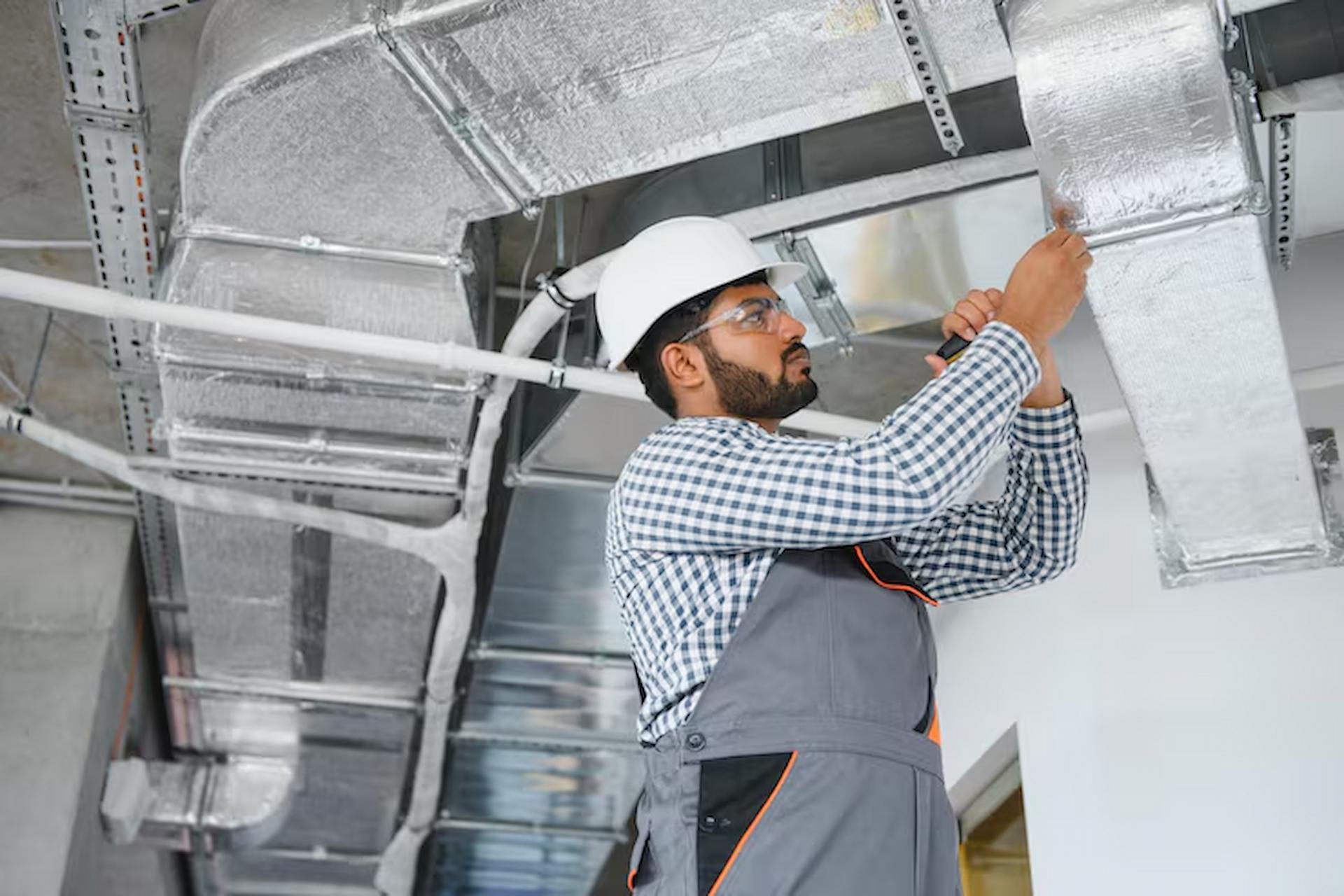
Heating and cooling systems work quietly in the background for most of the year, so it is easy to overlook small warning signs when something begins to fail. Many homeowners only notice a problem once comfort levels drop, energy bills rise, or the system stops working completely. Unfortunately, waiting too long often turns a simple repair into a far more expensive issue.
Understanding how to recognise early HVAC problems can help protect your comfort, improve energy efficiency, and extend the lifespan of your equipment. Small issues such as weak airflow, unusual sounds, or inconsistent temperatures often signal deeper problems developing inside the system. Addressing them early can reduce repair costs and prevent unexpected breakdowns during extreme weather.
Why Early HVAC Repairs Matter
Modern HVAC systems are designed to operate efficiently for many years, but constant use naturally creates wear and tear. Components such as motors, filters, fans, coils, and thermostats gradually lose performance over time.
Ignoring minor issues can lead to:
- Higher monthly energy bills
- Reduced indoor comfort
- Poor indoor air quality
- Increased strain on system components
- Shortened equipment lifespan
- Unexpected emergency repairs
Routine attention and early troubleshooting help keep heating and cooling systems running smoothly while avoiding major disruptions.
Poor Airflow Throughout the Home
Weak airflow is one of the most common HVAC complaints. Rooms may feel stuffy, temperatures may vary from one area to another, or vents may produce very little air even when the system is running.
Several problems can contribute to restricted airflow:
Dirty Air Filters
Clogged air filters reduce circulation and force the system to work harder. This can increase energy usage and place extra stress on the blower motor.
Most filters should be checked monthly and replaced every one to three months depending on usage, pets, and indoor air quality conditions.
Blocked or Leaking Ductwork
Damaged or obstructed ducts can prevent conditioned air from reaching certain rooms. Dust buildup, loose connections, or crushed duct sections may all reduce efficiency.
Blower Motor Problems
If the blower motor begins failing, airflow can weaken significantly. Grinding noises, overheating, or inconsistent fan operation often indicate mechanical issues requiring professional inspection.
Unusual HVAC Noises
HVAC systems naturally produce some sound during operation, but sudden or unusual noises should never be ignored.
Different sounds often point to specific issues:
- Banging or clanking: Loose or broken internal components
- Squealing: Worn belts or motor bearing problems
- Rattling: Loose panels or debris inside the system
- Buzzing: Electrical issues or failing capacitors
- Clicking: Thermostat or relay problems
Strange noises rarely disappear on their own. Addressing them early can prevent further damage to motors, fans, and compressors.
Uneven Heating or Cooling
If some rooms feel comfortable while others remain too warm or too cold, the HVAC system may be struggling to distribute air properly.
Common causes include:
Thermostat Placement Issues
A thermostat located near windows, direct sunlight, or heat-producing appliances may produce inaccurate temperature readings.
Ductwork Imbalances
Leaks or poorly designed duct systems can create uneven airflow throughout the home.
Aging HVAC Equipment
Older systems gradually lose efficiency and may struggle to maintain consistent indoor temperatures, especially during extreme weather conditions.
Thermostat Malfunctions
Thermostats act as the control centre for the entire HVAC system. Even small calibration problems can affect performance and comfort.
Signs of thermostat issues include:
- Incorrect temperature readings
- Constant cycling on and off
- Failure to start the system
- Unresponsive controls
- Inconsistent indoor temperatures
Sometimes replacing batteries or adjusting settings solves the problem. In other cases, wiring faults or outdated thermostats may require replacement.
Smart thermostats can also improve efficiency by allowing better temperature scheduling and system monitoring.
Refrigerant Problems and Cooling Issues
Air conditioning systems rely on refrigerants to remove heat from indoor air. Low refrigerant levels usually indicate a leak somewhere within the system.
Common warning signs include:
- Warm air from vents
- Ice forming on refrigerant lines
- Reduced cooling performance
- Hissing sounds near the unit
- Longer cooling cycles
Refrigerant handling should always be left to certified HVAC professionals. Attempting repairs without proper training can create safety risks and damage the system further.
Short Cycling and Constant Running
An HVAC system should complete regular heating or cooling cycles. If it turns on and off too frequently or runs continuously, something is interfering with normal operation.
Potential causes include:
- Dirty filters
- Thermostat issues
- Oversized HVAC systems
- Low refrigerant levels
- Electrical problems
- Frozen evaporator coils
Short cycling increases wear on components and can significantly reduce system lifespan if ignored.
Rising Energy Bills Without Explanation
A sudden increase in utility costs often signals hidden HVAC inefficiency. Even if the system still appears functional, underlying problems may be forcing it to work harder than necessary.
Common efficiency-related issues include:
- Dirty coils
- Air leaks
- Aging components
- Poor insulation
- Refrigerant loss
- Restricted airflow
Tracking energy usage over time can help identify performance changes before a major breakdown occurs.
Signs You Should Call an HVAC Professional
Some HVAC maintenance tasks are simple enough for homeowners, but certain problems require professional diagnosis and repair.
Contact an HVAC technician if you notice:
- Burning smells
- Electrical issues
- Refrigerant leaks
- Persistent system shutdowns
- Frozen coils
- Loud mechanical noises
- Major airflow problems
- Water leaks around equipment
Professional inspections help identify hidden issues safely while protecting manufacturer warranties and system efficiency.
Preventative HVAC Maintenance Tips
Preventative care remains the best way to avoid costly HVAC repairs. Small maintenance habits can dramatically improve system reliability and performance.
Helpful maintenance practices include:
- Replacing air filters regularly
- Keeping outdoor units free from debris
- Scheduling annual HVAC inspections
- Cleaning supply and return vents
- Checking thermostat settings seasonally
- Monitoring unusual noises or odours
- Sealing air leaks around windows and doors
Consistent maintenance helps reduce strain on the system and improves long-term operating efficiency.
How Seasonal Changes Affect HVAC Performance
HVAC systems face different challenges throughout the year. Summer heat places heavy demand on air conditioning components, while winter conditions stress heating systems.
Seasonal inspections can help identify developing problems before peak usage periods begin. Spring and autumn are often the best times for preventative maintenance because technicians can address small issues before extreme temperatures arrive.
Indoor Air Quality and HVAC Health
Many homeowners focus only on heating and cooling performance, but HVAC systems also play a major role in indoor air quality.
Dirty filters, clogged ducts, moisture buildup, and poor ventilation can contribute to:
- Increased dust accumulation
- Allergens and airborne particles
- Humidity imbalances
- Mould growth
- Unpleasant indoor odours
Maintaining HVAC equipment properly helps create a cleaner and healthier indoor environment for the entire household.
Your Questions Answered
How often should HVAC air filters be replaced?
Most HVAC air filters should be replaced every one to three months depending on usage, indoor air quality, and whether pets are present in the home.
Why is my HVAC system making loud noises?
Loud HVAC noises often indicate loose parts, motor problems, electrical issues, or airflow restrictions that should be inspected before further damage develops.
What causes uneven temperatures in a home?
Uneven temperatures usually result from airflow problems, duct leaks, thermostat placement issues, or aging HVAC equipment struggling to distribute air evenly.
Can dirty filters increase energy bills?
Dirty air filters restrict airflow and force HVAC systems to work harder, which can significantly increase energy consumption and monthly utility costs.
When should I call an HVAC professional?
Call an HVAC professional if you notice burning smells, refrigerant leaks, frozen coils, electrical problems, or repeated system shutdowns.
Key Takeaways
HVAC systems rarely fail without warning. Weak airflow, unusual noises, uneven temperatures, rising energy bills, and thermostat problems often appear long before a complete breakdown occurs. Paying attention to these early warning signs can help homeowners prevent expensive repairs, maintain indoor comfort, and improve overall system efficiency.
Routine maintenance remains one of the most effective ways to protect HVAC equipment and extend its lifespan. Simple actions such as replacing filters, scheduling inspections, and addressing small issues quickly can make a significant difference over time. A well-maintained HVAC system not only performs better but also creates a more comfortable, energy-efficient, and reliable home environment throughout every season.
 Elina Smith