
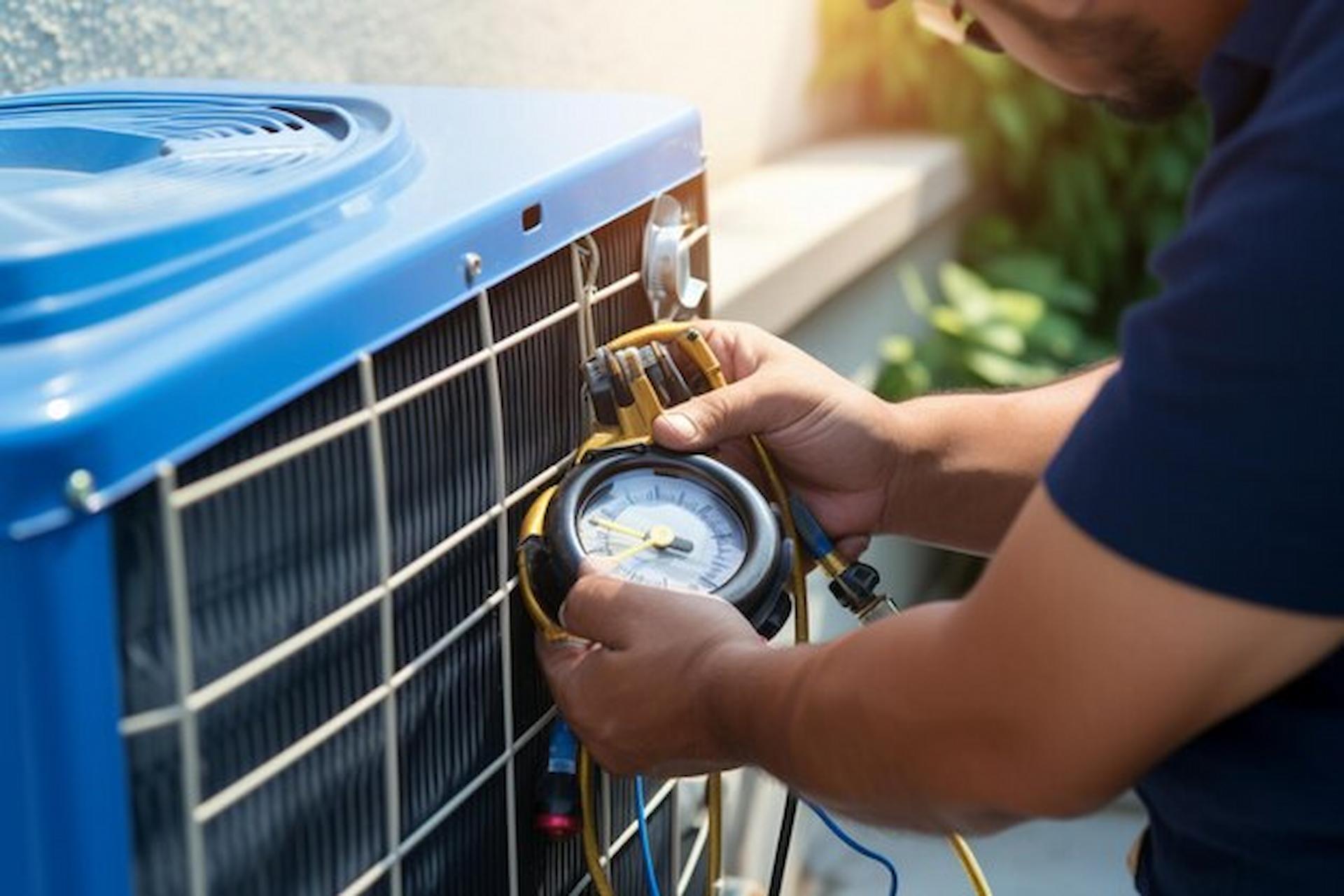
Heating and cooling systems rarely fail at a convenient time. A sudden air conditioning breakdown during a heatwave or a furnace failure in freezing temperatures can quickly turn into a stressful situation for homeowners. Beyond discomfort, HVAC emergencies can also create safety risks, increase energy costs, and lead to property damage if problems are ignored for too long.
Many emergency HVAC issues begin with warning signs that are easy to overlook. Weak airflow, strange noises, unusual smells, frozen coils, or inconsistent temperatures often appear before a complete system failure happens. Knowing how to respond calmly and safely during these situations can help reduce damage while making it easier for technicians to restore the system quickly.
This guide explains the most common HVAC emergencies, the immediate steps homeowners should take, and the best ways to protect indoor comfort until professional help arrives.
1. Recognise the Signs of a Serious HVAC Emergency
Not every HVAC problem requires emergency service, but some situations should never be ignored. Understanding the difference between a minor issue and a true emergency helps homeowners act faster when safety or comfort is at risk.
Common HVAC emergencies include:
- Complete system failure during extreme heat or cold
- Burning smells coming from vents or equipment
- Refrigerant leaks around the outdoor unit
- Frozen evaporator coils
- Electrical issues or repeatedly tripping breakers
- Gas furnace problems or possible carbon monoxide risks
- Water leaking around indoor HVAC equipment
- Loud banging, screeching, or grinding noises
A system that suddenly stops working without warning often signals a larger issue that requires immediate professional attention.
2. Turn Off the System if Safety Becomes a Concern
Safety should always come first during any HVAC emergency. If homeowners notice smoke, sparks, burning odours, or unusual electrical activity, the system should be shut down immediately.
Turning the unit off can help prevent:
- Electrical damage
- Fire hazards
- Additional strain on system components
- Refrigerant compressor damage
- Worsening mechanical failures
For gas heating systems, unusual smells or symptoms such as headaches, dizziness, or nausea could indicate carbon monoxide exposure. In those situations, occupants should leave the home immediately and contact emergency services before calling an HVAC technician.
3. Check the Thermostat and Power Supply First
Sometimes an HVAC issue appears more serious than it actually is. Before requesting emergency repairs, homeowners should quickly check a few basic system settings.
Start with the thermostat:
- Confirm the correct temperature setting
- Replace batteries if needed
- Make sure the thermostat is in heating or cooling mode
Next, inspect the electrical panel:
- Look for tripped breakers
- Reset breakers only once
- Avoid repeatedly restarting the system
A power interruption, incorrect thermostat setting, or simple electrical issue can occasionally restore operation without requiring extensive repairs.
4. Replace Dirty Air Filters Immediately
Blocked air filters are one of the most common causes of HVAC airflow problems and frozen systems. When filters become clogged with dust and debris, airflow becomes restricted, forcing the system to work much harder.
Dirty filters can contribute to:
- Frozen evaporator coils
- Overheating furnaces
- Weak airflow
- Higher indoor humidity
- Rising energy bills
Replacing the filter may not solve every emergency, but it can sometimes restore enough airflow to reduce strain on the system until a technician arrives.
5. Know What to Do if the Air Conditioner Freezes
Frozen air conditioning systems are surprisingly common during warmer months. Ice buildup on refrigerant lines or coils usually points to restricted airflow, refrigerant issues, or dirty components.
If the system freezes:
- Turn the cooling system off
- Switch the fan setting to “ON”
- Allow the ice to thaw completely
- Check and replace the air filter
- Avoid scraping or breaking ice manually
Running a frozen system can damage the compressor, which is often one of the most expensive HVAC repairs homeowners face.
6. Protect Indoor Comfort While Waiting for Repairs
Emergency HVAC technicians may not always arrive immediately, especially during severe weather periods when service demand increases.
Temporary comfort strategies can help maintain safer indoor conditions:
- Use ceiling fans to improve airflow
- Close blinds or curtains to reduce heat gain
- Stay hydrated during hot weather
- Use portable heaters safely and carefully
- Seal drafty windows during heating outages
- Keep doors closed to retain conditioned air
These short-term measures help stabilise indoor temperatures without placing additional stress on the damaged HVAC system.
7. Watch for Water Leaks Around HVAC Equipment
Water pooling around HVAC units should never be ignored. While some moisture is normal during cooling operation, excessive leakage may signal clogged drain lines, frozen coils, or damaged condensate pumps.
Unchecked water leaks can lead to:
- Ceiling and wall damage
- Mould growth
- Flooring damage
- Increased indoor humidity
- Electrical safety concerns
If water appears near electrical components, homeowners should turn off the system and avoid contact until professionals inspect the equipment.
8. Avoid DIY Repairs During Major HVAC Failures
Many homeowners attempt emergency repairs themselves to save time or money. While basic troubleshooting is helpful, complex HVAC systems involve electricity, refrigerant, gas lines, and sensitive mechanical components.
DIY repairs can:
- Create safety hazards
- Void warranties
- Cause larger equipment damage
- Lead to expensive future repairs
Homeowners should avoid opening sealed system components or handling refrigerants without proper training and certification.
9. Keep Emergency HVAC Contact Information Ready
Preparation makes HVAC emergencies much easier to manage. Homeowners benefit from having trusted emergency service contacts available before a breakdown happens.
A good emergency HVAC provider should offer:
- 24/7 emergency availability
- Licensed and insured technicians
- Transparent pricing
- Strong customer reviews
- Experience with multiple system brands
Saving contact information in advance reduces stress when urgent problems appear unexpectedly.
10. Prevent Future HVAC Emergencies With Regular Maintenance
Many emergency HVAC failures are preventable. Routine inspections and seasonal servicing help identify worn components before they fail completely.
Preventive maintenance often includes:
- Cleaning coils and condensate lines
- Inspecting electrical connections
- Checking refrigerant levels
- Testing airflow and thermostat calibration
- Lubricating moving parts
- Replacing worn components early
Regular maintenance improves reliability, supports energy efficiency, and reduces the likelihood of sudden system breakdowns during extreme weather.
Quick Answers
1. What qualifies as an HVAC emergency?
An HVAC emergency includes complete system failures during extreme weather, burning smells, refrigerant leaks, electrical issues, or gas furnace problems that affect safety or indoor comfort.
2. Should I turn off my HVAC system if it smells burnt?
Yes. Burning smells may indicate electrical or mechanical problems. Turn the system off immediately and contact a licensed HVAC professional for inspection.
3. Why does my air conditioner freeze during summer?
Air conditioners usually freeze because of restricted airflow, dirty filters, refrigerant issues, or blocked coils that prevent normal heat transfer inside the system.
4. Can a dirty air filter cause HVAC failure?
Yes. Clogged filters restrict airflow, increase system strain, reduce efficiency, and may eventually contribute to overheating or frozen components.
5. How often should HVAC systems be professionally serviced?
Most HVAC systems should be professionally inspected and serviced at least twice yearly, typically before summer cooling season and winter heating season.
Closing Thoughts
Unexpected HVAC failures can quickly disrupt comfort, create safety concerns, and place added stress on homeowners. Knowing how to respond during these situations helps reduce panic while preventing additional damage to the system. Simple steps such as shutting down unsafe equipment, checking filters, monitoring leaks, and protecting indoor temperatures can make a significant difference before professional help arrives.
Emergency preparedness also plays an important role in long-term HVAC reliability. Routine maintenance, early attention to warning signs, and having access to trusted emergency technicians can help homeowners avoid larger problems in the future. A calm, informed response often leads to faster repairs, lower costs, and a safer, more comfortable home environment.
 Elina Smith